
Recent from talks
Nguyễn Trãi
Knowledge base stats:
Talk channels stats:
Members stats:
Nguyễn Trãi
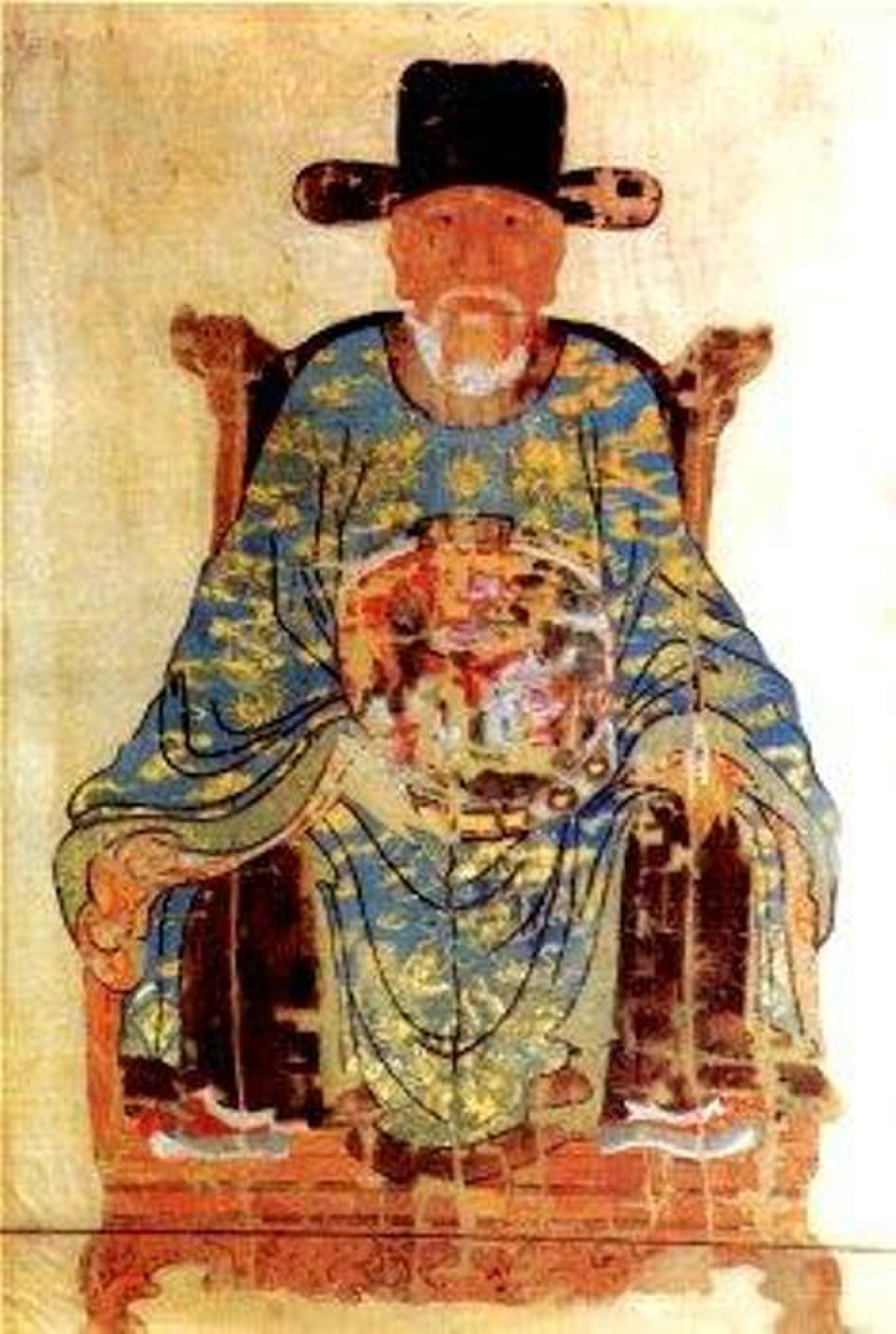
Nguyễn Trãi (阮廌), pen name Ức Trai (抑齋); (1380–1442) was a Vietnamese poet and politician. He was at times attributed with being capable of almost miraculous or mythical deeds in his designated capacity as a principal advisor of Lê Lợi, who fought against the Ming dynasty. He is credited with writing the political statements of Lê Lợi and convincing the Vietnamese populace to support open rebellion against the Ming dynasty rulers. He is also the author of "Great Proclamation upon the Pacification of the Wu" (Bình Ngô đại cáo). He was a Confucian scholar.
Nguyễn Trãi originally was from Hải Dương Province, he was born in 1380 in Thăng Long (present day Hanoi), the capital of the declining Trần dynasty. Under the brief Hồ dynasty, he passed examination and served for a time in the government. In 1406, Ming forces invaded and conquered Vietnam. Under the occupation, the Ming China attempted to convert Vietnam into a Chinese province and ruthlessly quashed all rebellions.
In 1417, Nguyễn Trãi joined a rebel leader named Lê Lợi, who was resisting the occupation from a mountainous region in Thanh Hóa Province south of Hanoi. Nguyễn Trãi served as the chief advisor, strategist and propagandist for the movement.
The war of independence leading to the defeat of the Ming and the inauguration of the Lê dynasty lasted from 1417 to 1427. From 1417 until 1423, Lê Lợi conducted a classic guerilla campaign from his bases in the mountains. Following a negotiated truce, Lê Lợi, following the advice of Nguyễn Chích, led his army to the southern prefecture of Nghệ An. From Nghệ An, Vietnamese forces won many battles and gained control over the whole part of Vietnam from Thanh Hóa southwards. The Ming sent a series of military reinforcements in response to bolster their positions. In 1426, the army of a Chinese general named Wang Tong arrived in the Red River Delta. However, Vietnamese forces were able to cut supply lines and control the countryside, leaving Chinese presence totally isolated in the capital and other citadels. During this period, Nguyễn Trãi sought to undermine the resolve of the enemy and to negotiate a favorable peace by sending a series of missives to the Ming commanders. In 1427 the Ming emperor Xuande sent two large reinforcing armies to Vietnam. Lê Lợi moved his forces to the frontier, where they confronted and utterly defeated Chinese reinforcements in a series of bloody battles, most notably the battle of Chi Lăng-Xương Giang. Wang Tong sued for peace. The numerous Chinese prisoners of war were all given provisions and allowed to return to China. Nguyễn Trãi penned a famous proclamation of victory.
After the war Nguyễn Trãi was elevated by Lê Lợi to an exalted position in the new court but internal intrigues, sycophantic machinations and clannish nepotism meant he was not appointed regent upon the emperor's death. Instead that position was bestowed upon Lê Sát, who ruled as regent on behalf of the young heir Lê Thái Tông.[citation needed]
At some point during the regency of Lê Sát, having found life at court increasingly difficult, Nguyễn Trãi retired to his country home north of Hanoi in the tranquil mountains of Chí Linh, where he enjoyed poetry writing and meditation. Today, visitors can visit this site where a large shrine of remembrance, covering from the foot of the mountain to the top is erected to honour the national hero. The site of Nguyễn Trãi's house still exists, however only the tiled floors remain original. Close by is an ancient Buddhist temple, which has stood there several centuries before his time.
Nguyễn Trãi's death resulted from a scandal involving the young emperor, Lê Thái Tông, and the wife or concubine of Nguyễn Trãi, named Nguyễn Thị Lộ. Early in 1442, the young emperor began an affair with Nguyễn Thị Lộ. This affair continued when the emperor visited the old scholar at his home. Not long after having left, Lê Thái Tông suddenly became ill and died. The nobles at the court blamed Nguyễn Thị Lộ for the young emperor's death, accused her and Nguyễn Trãi of regicide and had both, along with most members of their extended families, executed.
Twenty years later, Lê Thái Tông's son, emperor Lê Thánh Tông officially pardoned Nguyễn Trãi, saying that he was wholly innocent in the death of Thánh Tông's father. He was given the posthumous noble title the Count of Tán Trù.
Hub AI
Nguyễn Trãi AI simulator
(@Nguyễn Trãi_simulator)
Nguyễn Trãi
Nguyễn Trãi (阮廌), pen name Ức Trai (抑齋); (1380–1442) was a Vietnamese poet and politician. He was at times attributed with being capable of almost miraculous or mythical deeds in his designated capacity as a principal advisor of Lê Lợi, who fought against the Ming dynasty. He is credited with writing the political statements of Lê Lợi and convincing the Vietnamese populace to support open rebellion against the Ming dynasty rulers. He is also the author of "Great Proclamation upon the Pacification of the Wu" (Bình Ngô đại cáo). He was a Confucian scholar.
Nguyễn Trãi originally was from Hải Dương Province, he was born in 1380 in Thăng Long (present day Hanoi), the capital of the declining Trần dynasty. Under the brief Hồ dynasty, he passed examination and served for a time in the government. In 1406, Ming forces invaded and conquered Vietnam. Under the occupation, the Ming China attempted to convert Vietnam into a Chinese province and ruthlessly quashed all rebellions.
In 1417, Nguyễn Trãi joined a rebel leader named Lê Lợi, who was resisting the occupation from a mountainous region in Thanh Hóa Province south of Hanoi. Nguyễn Trãi served as the chief advisor, strategist and propagandist for the movement.
The war of independence leading to the defeat of the Ming and the inauguration of the Lê dynasty lasted from 1417 to 1427. From 1417 until 1423, Lê Lợi conducted a classic guerilla campaign from his bases in the mountains. Following a negotiated truce, Lê Lợi, following the advice of Nguyễn Chích, led his army to the southern prefecture of Nghệ An. From Nghệ An, Vietnamese forces won many battles and gained control over the whole part of Vietnam from Thanh Hóa southwards. The Ming sent a series of military reinforcements in response to bolster their positions. In 1426, the army of a Chinese general named Wang Tong arrived in the Red River Delta. However, Vietnamese forces were able to cut supply lines and control the countryside, leaving Chinese presence totally isolated in the capital and other citadels. During this period, Nguyễn Trãi sought to undermine the resolve of the enemy and to negotiate a favorable peace by sending a series of missives to the Ming commanders. In 1427 the Ming emperor Xuande sent two large reinforcing armies to Vietnam. Lê Lợi moved his forces to the frontier, where they confronted and utterly defeated Chinese reinforcements in a series of bloody battles, most notably the battle of Chi Lăng-Xương Giang. Wang Tong sued for peace. The numerous Chinese prisoners of war were all given provisions and allowed to return to China. Nguyễn Trãi penned a famous proclamation of victory.
After the war Nguyễn Trãi was elevated by Lê Lợi to an exalted position in the new court but internal intrigues, sycophantic machinations and clannish nepotism meant he was not appointed regent upon the emperor's death. Instead that position was bestowed upon Lê Sát, who ruled as regent on behalf of the young heir Lê Thái Tông.[citation needed]
At some point during the regency of Lê Sát, having found life at court increasingly difficult, Nguyễn Trãi retired to his country home north of Hanoi in the tranquil mountains of Chí Linh, where he enjoyed poetry writing and meditation. Today, visitors can visit this site where a large shrine of remembrance, covering from the foot of the mountain to the top is erected to honour the national hero. The site of Nguyễn Trãi's house still exists, however only the tiled floors remain original. Close by is an ancient Buddhist temple, which has stood there several centuries before his time.
Nguyễn Trãi's death resulted from a scandal involving the young emperor, Lê Thái Tông, and the wife or concubine of Nguyễn Trãi, named Nguyễn Thị Lộ. Early in 1442, the young emperor began an affair with Nguyễn Thị Lộ. This affair continued when the emperor visited the old scholar at his home. Not long after having left, Lê Thái Tông suddenly became ill and died. The nobles at the court blamed Nguyễn Thị Lộ for the young emperor's death, accused her and Nguyễn Trãi of regicide and had both, along with most members of their extended families, executed.
Twenty years later, Lê Thái Tông's son, emperor Lê Thánh Tông officially pardoned Nguyễn Trãi, saying that he was wholly innocent in the death of Thánh Tông's father. He was given the posthumous noble title the Count of Tán Trù.
Recent media