
Recent from talks
Nuclear weapons debate
Knowledge base stats:
Talk channels stats:
Members stats:
Nuclear weapons debate
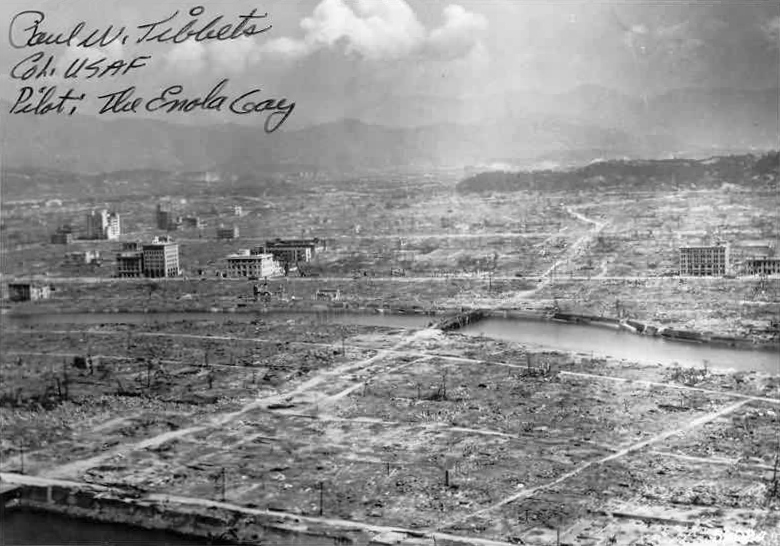
The nuclear weapons debate refers to the controversies surrounding the threat, use and stockpiling of nuclear weapons. Even before the first nuclear weapons had been developed, scientists involved with the Manhattan Project were divided over the use of the weapon. The only time nuclear weapons have been used in warfare was during the final stages of World War II when USAAF B-29 Superfortress bombers dropped atomic bombs on the Japanese cities of Hiroshima and Nagasaki in early August 1945. The role of the bombings in Japan's surrender and the U.S.'s ethical justification for them have been the subject of scholarly and popular debate for decades.
Nuclear disarmament refers both to the act of reducing or eliminating nuclear weapons and to the end state of a nuclear-free world. Proponents of disarmament typically condemn a priori the threat or use of nuclear weapons as immoral and argue that only total disarmament can eliminate the possibility of nuclear war. Critics of nuclear disarmament say that it would undermine deterrence and make conventional wars more likely, more destructive, or both. The debate becomes considerably complex when considering various scenarios for example, total vs partial or unilateral vs multilateral disarmament.
Nuclear proliferation is a related concern, which most commonly refers to the spread of nuclear weapons to additional countries and increases the risks of nuclear war arising from regional conflicts. The diffusion of nuclear technologies, especially the nuclear fuel cycle technologies for producing weapons-usable nuclear materials such as highly enriched uranium and plutonium, contributes to the risk of nuclear proliferation. These forms of proliferation are sometimes referred to as horizontal proliferation to distinguish them from vertical proliferation, the expansion of nuclear stockpiles of established nuclear powers.
Because the Manhattan Project was considered to be "top secret," there was no public discussion of the use of nuclear arms, and even within the US government, knowledge of the bomb was extremely limited. However, even before the first nuclear weapons had been developed, scientists involved with the Manhattan Project were divided over the use of the weapon.
On June 2, 1945, Arthur Compton, the leader of the Manhattan Project's Metallurgical Laboratory, also known as Met Lab, at the University of Chicago briefed his staff on the latest information from the Interim Committee, which was formulating plans for the use of the atomic bomb to force Japanese capitulation. In response to the briefing, Met Lab's Committee on the Social and Political Implications of the Atomic Bomb, chaired by James Franck, wrote the Franck Report. The report, to which Leo Szilárd and Glenn T. Seaborg also contributed, argued that instead of being used against a city, the first atomic bomb should be "demonstrated" to the Japanese on an uninhabited area. The recommendation was not agreed with by the military commanders, the Los Alamos Target Committee (made up of other scientists), or the politicians who had input into the use of the weapon.
The report also argued that to preclude a nuclear arms race and a destabilized world order, the existence of the weapon should be made public so that a collaborative, international body could come to control atomic power:
"From this point of view a demonstration of the new weapon may best be made before the eyes of representatives of all United Nations, on the desert or a barren island. The best possible atmosphere for the achievement of an international agreement could be achieved if America would be able to say to the world, “You see what weapon we had but did not use. We are ready to renounce its use in the future and to join other nations in working out adequate supervision of the use of this nuclear weapon.” - The Franck Report
70 scientists involved in the Manhattan Project, many of them from Met Lab, represented in part by Leó Szilárd, put forth a petition to President Harry Truman in July 1945. The Szilárd Petition urged Truman to use the atomic bomb only if the full terms of surrender were made public and if Japan, in full possession of the facts, still refused to surrender.
Hub AI
Nuclear weapons debate AI simulator
(@Nuclear weapons debate_simulator)
Nuclear weapons debate
The nuclear weapons debate refers to the controversies surrounding the threat, use and stockpiling of nuclear weapons. Even before the first nuclear weapons had been developed, scientists involved with the Manhattan Project were divided over the use of the weapon. The only time nuclear weapons have been used in warfare was during the final stages of World War II when USAAF B-29 Superfortress bombers dropped atomic bombs on the Japanese cities of Hiroshima and Nagasaki in early August 1945. The role of the bombings in Japan's surrender and the U.S.'s ethical justification for them have been the subject of scholarly and popular debate for decades.
Nuclear disarmament refers both to the act of reducing or eliminating nuclear weapons and to the end state of a nuclear-free world. Proponents of disarmament typically condemn a priori the threat or use of nuclear weapons as immoral and argue that only total disarmament can eliminate the possibility of nuclear war. Critics of nuclear disarmament say that it would undermine deterrence and make conventional wars more likely, more destructive, or both. The debate becomes considerably complex when considering various scenarios for example, total vs partial or unilateral vs multilateral disarmament.
Nuclear proliferation is a related concern, which most commonly refers to the spread of nuclear weapons to additional countries and increases the risks of nuclear war arising from regional conflicts. The diffusion of nuclear technologies, especially the nuclear fuel cycle technologies for producing weapons-usable nuclear materials such as highly enriched uranium and plutonium, contributes to the risk of nuclear proliferation. These forms of proliferation are sometimes referred to as horizontal proliferation to distinguish them from vertical proliferation, the expansion of nuclear stockpiles of established nuclear powers.
Because the Manhattan Project was considered to be "top secret," there was no public discussion of the use of nuclear arms, and even within the US government, knowledge of the bomb was extremely limited. However, even before the first nuclear weapons had been developed, scientists involved with the Manhattan Project were divided over the use of the weapon.
On June 2, 1945, Arthur Compton, the leader of the Manhattan Project's Metallurgical Laboratory, also known as Met Lab, at the University of Chicago briefed his staff on the latest information from the Interim Committee, which was formulating plans for the use of the atomic bomb to force Japanese capitulation. In response to the briefing, Met Lab's Committee on the Social and Political Implications of the Atomic Bomb, chaired by James Franck, wrote the Franck Report. The report, to which Leo Szilárd and Glenn T. Seaborg also contributed, argued that instead of being used against a city, the first atomic bomb should be "demonstrated" to the Japanese on an uninhabited area. The recommendation was not agreed with by the military commanders, the Los Alamos Target Committee (made up of other scientists), or the politicians who had input into the use of the weapon.
The report also argued that to preclude a nuclear arms race and a destabilized world order, the existence of the weapon should be made public so that a collaborative, international body could come to control atomic power:
"From this point of view a demonstration of the new weapon may best be made before the eyes of representatives of all United Nations, on the desert or a barren island. The best possible atmosphere for the achievement of an international agreement could be achieved if America would be able to say to the world, “You see what weapon we had but did not use. We are ready to renounce its use in the future and to join other nations in working out adequate supervision of the use of this nuclear weapon.” - The Franck Report
70 scientists involved in the Manhattan Project, many of them from Met Lab, represented in part by Leó Szilárd, put forth a petition to President Harry Truman in July 1945. The Szilárd Petition urged Truman to use the atomic bomb only if the full terms of surrender were made public and if Japan, in full possession of the facts, still refused to surrender.
Recent media