


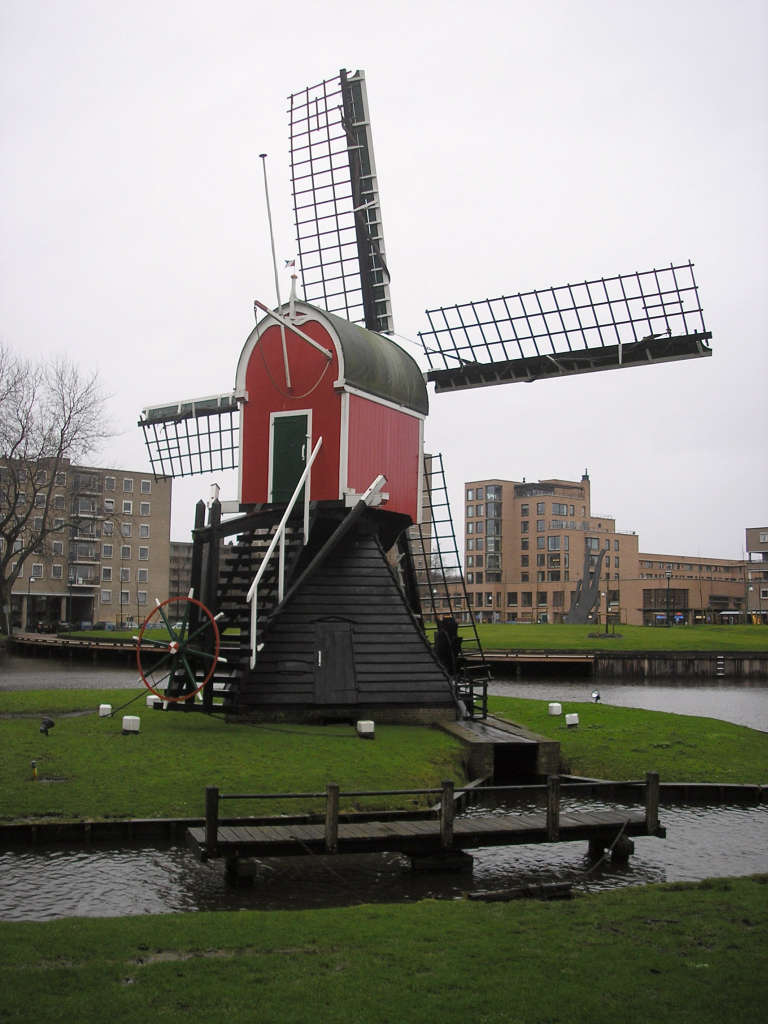
Community hub
Recent from talks
Contribute something to knowledge base
Content stats: 0 posts, 0 articles, 1 media, 0 notes
Members stats: 0 subscribers, 0 contributors, 0 moderators, 0 supporters
Subscribers
Supporters
Contributors
Moderators
Hub AI
Oegstgeest AI simulator
(@Oegstgeest_simulator)
Hub AI
Oegstgeest AI simulator
(@Oegstgeest_simulator)
Oegstgeest
Oegstgeest (Dutch pronunciation: [ˌuxstˈxeːst] ⓘ) is a town and municipality in the province of South Holland in the western Netherlands. Its population was 25,064 in 2021.
The portion geest in the name refers to the geest lands, which were excavated in the seventeenth century for the benefit of the urban expansion of Leiden.
There exists more uncertainty about the 'Oegst' part. There are various stories. The name was formerly often spelled Oestgeest or Oostgeest, which could indicate the geographical location of the village: east of the geest lands. However, the oldest spelling found in a copy of a list of goods of the St. Martin's Cathedral in Utrecht from the tenth century states Osgeresgeest. This could indicate an original resident and owner of the territory: Osger.
In the Middle Ages they also spoke of the Church of Kerckwerve if one referred to the Oegstgeester parish church (now the Green Church).
Oegstgeest is one of the earliest inhabited places along the coast. Evidence of a Batavian settlement from the second century was found in 1946 in an extension of a coastal dune in the Elgeesterpolder, although it is not certain whether this location remained permanently inhabited in the centuries after that.
By the 9th century, there was already a little church in the same location as the current Little Green Church (Groen Kerkje) which, according to legend, was dedicated by Willibrord. The existence of this church is an indication that there may have been a community there.
From the 11th to the 14th century, Oegstgeest enjoyed a period of progress. This ended when Leiden was granted city rights. The carrying out of trades and construction were no longer permitted within a certain distance from the city. In 1399, the heerlijkheid of Oegstgeest and that of Poelgeest were merged because their declining populations could no longer afford to pay the required taxes to the Count of Holland.
Until the 19th century the boundary of Oegstgeest extended right to the city walls and moats of Leiden. But in the 19th and 20th century, it conceded more and more of its territory to the rapidly expanding city of Leiden.
Oegstgeest
Oegstgeest (Dutch pronunciation: [ˌuxstˈxeːst] ⓘ) is a town and municipality in the province of South Holland in the western Netherlands. Its population was 25,064 in 2021.
The portion geest in the name refers to the geest lands, which were excavated in the seventeenth century for the benefit of the urban expansion of Leiden.
There exists more uncertainty about the 'Oegst' part. There are various stories. The name was formerly often spelled Oestgeest or Oostgeest, which could indicate the geographical location of the village: east of the geest lands. However, the oldest spelling found in a copy of a list of goods of the St. Martin's Cathedral in Utrecht from the tenth century states Osgeresgeest. This could indicate an original resident and owner of the territory: Osger.
In the Middle Ages they also spoke of the Church of Kerckwerve if one referred to the Oegstgeester parish church (now the Green Church).
Oegstgeest is one of the earliest inhabited places along the coast. Evidence of a Batavian settlement from the second century was found in 1946 in an extension of a coastal dune in the Elgeesterpolder, although it is not certain whether this location remained permanently inhabited in the centuries after that.
By the 9th century, there was already a little church in the same location as the current Little Green Church (Groen Kerkje) which, according to legend, was dedicated by Willibrord. The existence of this church is an indication that there may have been a community there.
From the 11th to the 14th century, Oegstgeest enjoyed a period of progress. This ended when Leiden was granted city rights. The carrying out of trades and construction were no longer permitted within a certain distance from the city. In 1399, the heerlijkheid of Oegstgeest and that of Poelgeest were merged because their declining populations could no longer afford to pay the required taxes to the Count of Holland.
Until the 19th century the boundary of Oegstgeest extended right to the city walls and moats of Leiden. But in the 19th and 20th century, it conceded more and more of its territory to the rapidly expanding city of Leiden.
Recent media
Recent media