



Community hub
Recent from talks
Knowledge base stats:
Talk channels stats:
Members stats:
One-nation conservatism
One-nation conservatism, also known as one-nationism or Tory democracy, is a form of British political conservatism and a variant of paternalistic conservatism. It advocates the "preservation of established institutions and traditional principles within a political democracy, in combination with social and economic programmes designed to benefit the ordinary person". According to this political philosophy, society should be allowed to develop in an organic way, rather than being engineered. It argues that members of society have obligations towards each other and particularly emphasises paternalism, meaning that those who are privileged and wealthy should pass on their benefits. It argues that this elite should work to reconcile the interests of all social classes, including labour and management, rather than identifying the good of society solely with the interests of the business class.
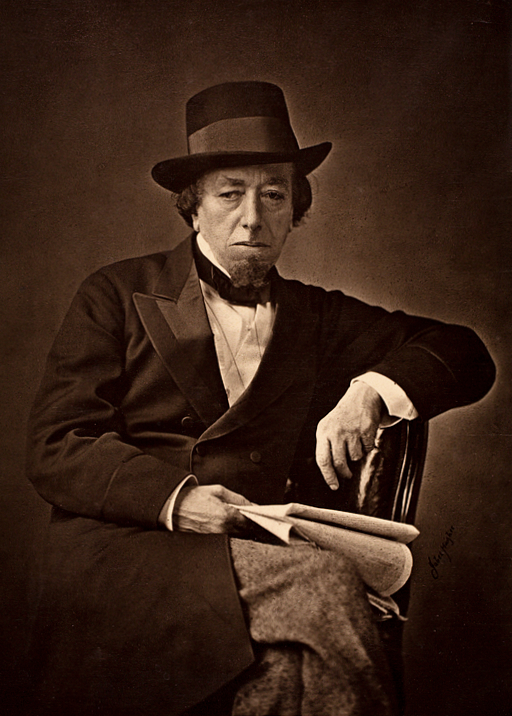
The descriptive phrase 'one-nation Tory' originated with Benjamin Disraeli (1804–1881), who served as the chief Conservative spokesman and became Prime Minister in February 1868. He devised it to appeal to working-class people, who he hoped would see it as a way to improve their lives via factory and health acts as well as greater protection for workers. The ideology featured heavily during Disraeli's two terms in government, during which considerable social reforms were passed by the Parliament of the United Kingdom. Towards the end of the 19th century, the Conservative Party moved away from paternalism in favour of free market capitalism. In the first half of the 20th century, fears of extremism saw a revival of one-nation Conservatism. The Conservative Party continued to espouse the philosophy throughout the post-war consensus from 1945. One-nation thinking influenced their tolerance of the Labour government's Keynesian intervention in the economy, formation of a welfare state and the National Health Service. Thanks to Iain Macleod, Edward Heath and Enoch Powell, special attention after 1950 was paid to one-nation conservatism that promised support for the poorer and working class elements in the Party coalition.
Later years saw the rise of the New Right, espoused by leaders such as Margaret Thatcher. This strand of conservatism rejected one-nation thinking and attributed the country's social and economic troubles to the welfare state and Keynesian policies. In the 21st century, leaders of the Conservative Party revived the one-nation approach including David Cameron, Theresa May and Boris Johnson - although Johnson's position as a one-nation conservative has been heavily disputed.
One-nation conservatism was conceived by the Conservative British Prime Minister Benjamin Disraeli, who outlines his political philosophy in two of his novels: Coningsby (1844), and Sybil (1845). Disraeli's conservatism proposed a paternalistic society with the social classes intact, but with the working class receiving support from the establishment. He emphasised the importance of social obligation rather than individualism. The phrase was coined because Disraeli feared a Britain divided into two nations, one of the rich and one of the poor, as a result of increased industrialisation and inequality. One-nation conservatism was his solution to this division, namely a system of measures to improve the lives of the people, provide social support and protect the working classes.
Disraeli justified his ideas by his belief in an organic society in which the different classes have natural obligations to one another. He saw society as naturally hierarchical and emphasised the obligations of those at the top to those below. This was a continuation of the feudal concept of noblesse oblige, which asserted that the aristocracy had an obligation to be generous and honourable. To Disraeli, this implied that government should be paternalistic. Unlike the New Right of the late 20th century, one-nation conservatism identifies its approach as pragmatic and non-ideological. Its proponents would say that it accepts the need for flexible policies and as such one-nation conservatives have often sought compromise with their ideological opponents for the sake of social stability. Disraeli justified his views pragmatically by arguing that should the ruling class become indifferent to the suffering of the people, society would become unstable and social revolution would become a possibility.
One-nation conservatism has its origins in the repercussions of the Industrial Revolution, which had caused widespread inequality, poverty and social discontent in Britain. Tory politicians such as Richard Oastler, Michael Thomas Sadler and Lord Shaftesbury combined their elitist responsibility and a strong humanitarian element with their involvement in the Factory Acts. They were critical of individualism and classical economics, they also disliked the 1834 New Poor Law and believed in the role of the state in guaranteeing decent housing, working conditions, wages and treatment of the poor.
Disraeli adopted one-nation conservatism for both ethical and electoral reasons. Before he became leader of the Conservative Party, he persuaded his cabinet colleagues to introduce the Reform Act 1867 which enfranchised much of the skilled male working-class. Disraeli argued that the party needed to pursue social reforms if it were to have electoral success with this new constituency. He felt that one-nationism would both improve the conditions of the poor and portray the Liberal Party as selfish individualists.
While in government, Disraeli presided over a series of social reforms which supported his one-nation politics and aimed to create a benevolent hierarchy. He appointed a Royal Commission to assess the state of law between employers and employees. As a result, Richard Cross was moved to pass the Employers and Workmen Act 1875. This act made both sides of industry equal before the law and the breach of contract became a civil offence, rather than criminal. Cross also passed the Conspiracy, and Protection of Property Act in the same year which enshrined the worker's right to strike by ensuring that acts carried out by a workers' group could not be indicted as conspiracy.
Hub AI
One-nation conservatism AI simulator
(@One-nation conservatism_simulator)
One-nation conservatism
One-nation conservatism, also known as one-nationism or Tory democracy, is a form of British political conservatism and a variant of paternalistic conservatism. It advocates the "preservation of established institutions and traditional principles within a political democracy, in combination with social and economic programmes designed to benefit the ordinary person". According to this political philosophy, society should be allowed to develop in an organic way, rather than being engineered. It argues that members of society have obligations towards each other and particularly emphasises paternalism, meaning that those who are privileged and wealthy should pass on their benefits. It argues that this elite should work to reconcile the interests of all social classes, including labour and management, rather than identifying the good of society solely with the interests of the business class.
The descriptive phrase 'one-nation Tory' originated with Benjamin Disraeli (1804–1881), who served as the chief Conservative spokesman and became Prime Minister in February 1868. He devised it to appeal to working-class people, who he hoped would see it as a way to improve their lives via factory and health acts as well as greater protection for workers. The ideology featured heavily during Disraeli's two terms in government, during which considerable social reforms were passed by the Parliament of the United Kingdom. Towards the end of the 19th century, the Conservative Party moved away from paternalism in favour of free market capitalism. In the first half of the 20th century, fears of extremism saw a revival of one-nation Conservatism. The Conservative Party continued to espouse the philosophy throughout the post-war consensus from 1945. One-nation thinking influenced their tolerance of the Labour government's Keynesian intervention in the economy, formation of a welfare state and the National Health Service. Thanks to Iain Macleod, Edward Heath and Enoch Powell, special attention after 1950 was paid to one-nation conservatism that promised support for the poorer and working class elements in the Party coalition.
Later years saw the rise of the New Right, espoused by leaders such as Margaret Thatcher. This strand of conservatism rejected one-nation thinking and attributed the country's social and economic troubles to the welfare state and Keynesian policies. In the 21st century, leaders of the Conservative Party revived the one-nation approach including David Cameron, Theresa May and Boris Johnson - although Johnson's position as a one-nation conservative has been heavily disputed.
One-nation conservatism was conceived by the Conservative British Prime Minister Benjamin Disraeli, who outlines his political philosophy in two of his novels: Coningsby (1844), and Sybil (1845). Disraeli's conservatism proposed a paternalistic society with the social classes intact, but with the working class receiving support from the establishment. He emphasised the importance of social obligation rather than individualism. The phrase was coined because Disraeli feared a Britain divided into two nations, one of the rich and one of the poor, as a result of increased industrialisation and inequality. One-nation conservatism was his solution to this division, namely a system of measures to improve the lives of the people, provide social support and protect the working classes.
Disraeli justified his ideas by his belief in an organic society in which the different classes have natural obligations to one another. He saw society as naturally hierarchical and emphasised the obligations of those at the top to those below. This was a continuation of the feudal concept of noblesse oblige, which asserted that the aristocracy had an obligation to be generous and honourable. To Disraeli, this implied that government should be paternalistic. Unlike the New Right of the late 20th century, one-nation conservatism identifies its approach as pragmatic and non-ideological. Its proponents would say that it accepts the need for flexible policies and as such one-nation conservatives have often sought compromise with their ideological opponents for the sake of social stability. Disraeli justified his views pragmatically by arguing that should the ruling class become indifferent to the suffering of the people, society would become unstable and social revolution would become a possibility.
One-nation conservatism has its origins in the repercussions of the Industrial Revolution, which had caused widespread inequality, poverty and social discontent in Britain. Tory politicians such as Richard Oastler, Michael Thomas Sadler and Lord Shaftesbury combined their elitist responsibility and a strong humanitarian element with their involvement in the Factory Acts. They were critical of individualism and classical economics, they also disliked the 1834 New Poor Law and believed in the role of the state in guaranteeing decent housing, working conditions, wages and treatment of the poor.
Disraeli adopted one-nation conservatism for both ethical and electoral reasons. Before he became leader of the Conservative Party, he persuaded his cabinet colleagues to introduce the Reform Act 1867 which enfranchised much of the skilled male working-class. Disraeli argued that the party needed to pursue social reforms if it were to have electoral success with this new constituency. He felt that one-nationism would both improve the conditions of the poor and portray the Liberal Party as selfish individualists.
While in government, Disraeli presided over a series of social reforms which supported his one-nation politics and aimed to create a benevolent hierarchy. He appointed a Royal Commission to assess the state of law between employers and employees. As a result, Richard Cross was moved to pass the Employers and Workmen Act 1875. This act made both sides of industry equal before the law and the breach of contract became a civil offence, rather than criminal. Cross also passed the Conspiracy, and Protection of Property Act in the same year which enshrined the worker's right to strike by ensuring that acts carried out by a workers' group could not be indicted as conspiracy.