
Recent from talks
Siege of Lal Masjid
Knowledge base stats:
Talk channels stats:
Members stats:
Siege of Lal Masjid
The siege of Lal Masjid (Urdu: لال مسجد محاصرہ; code-named Operation Sunrise initially code-named as Operation Silence) was an armed confrontation in July 2007 between a Islamist fundamentalist private militia and the government of Pakistan, led by president Pervez Musharraf and prime minister Shaukat Aziz. The focal points of the operation were the Lal Masjid ("Red Mosque") and the Jamia Hafsa madrasah complex in Islamabad, Pakistan.
Lal Masjid had been operated by two brothers, Abdul Aziz and Abdul Rashid, while the adjacent Jamia Hafsa madrasah been operated by Abdul Aziz's wife Umme Hassan. They advocated the imposition of Sharia (Islamic religious law) in Pakistan and openly called for the overthrow of the Pakistani government. Lal Masjid was in constant conflict with the authorities in Islamabad for 18 months prior to the military operation. They engaged in violent demonstrations, destruction of property, kidnapping and arson. After a combination of events such as Jamia Hafsa vigilantes taking hostage the Chinese massage parlor's workers and militia members setting fire to the Ministry of Environment building and attacking the Pakistan Rangers personnel who guarded it, the military responded, and the siege of the Lal Masjid complex began. The military response was the result of not only pressure from locals but also diplomatic pressure from China and the United States.
The complex was besieged from 3 to 11 July 2007 and was eventually stormed and captured by the Pakistan Army's Special Service Group. The government reported that the operation resulted in 154 deaths, and the capture of 50 militia members.
The siege had profound and lasting consequences for Pakistan. In its aftermath, the Taliban and their affiliated tribal militant groups in Federally Administered Tribal Areas and Khyber Pakthunkhwa renounced the Waziristan Accord, a ten-month-old peace agreement with the Pakistani government. Following the siege, a wave of militancy and violence swept the country. This began the same month with an event known as the July bombings, the ensuing violence caused over 4,000 casualties in 2008. historians often cite the siege as the catalyst for the intensification of the War in North-West Pakistan. Regarded as one of the longest urban battles in Pakistan's history, the event has also been likened by historians to both the Waco siege and Operation Blue Star.
The siege became a highly controversial event, even within military circles. Senior generals like Jamshed Gulzar Kiani and Asad Durrani criticized the government's handling of the operation, claiming the use of unnecessary force led to a significant loss of life. Meanwhile, officials within GHQ claimed the operation was planned by Tariq Majid under the direct orders of Pervez Musharraf, deliberately sidestepping and without getting the approval for the operation by the Army's General Headquarters and Directorate of Military Operations. The decision was so centralized that, as former federal ministers later confirmed, it was made without consulting the Cabinet of Pakistan.
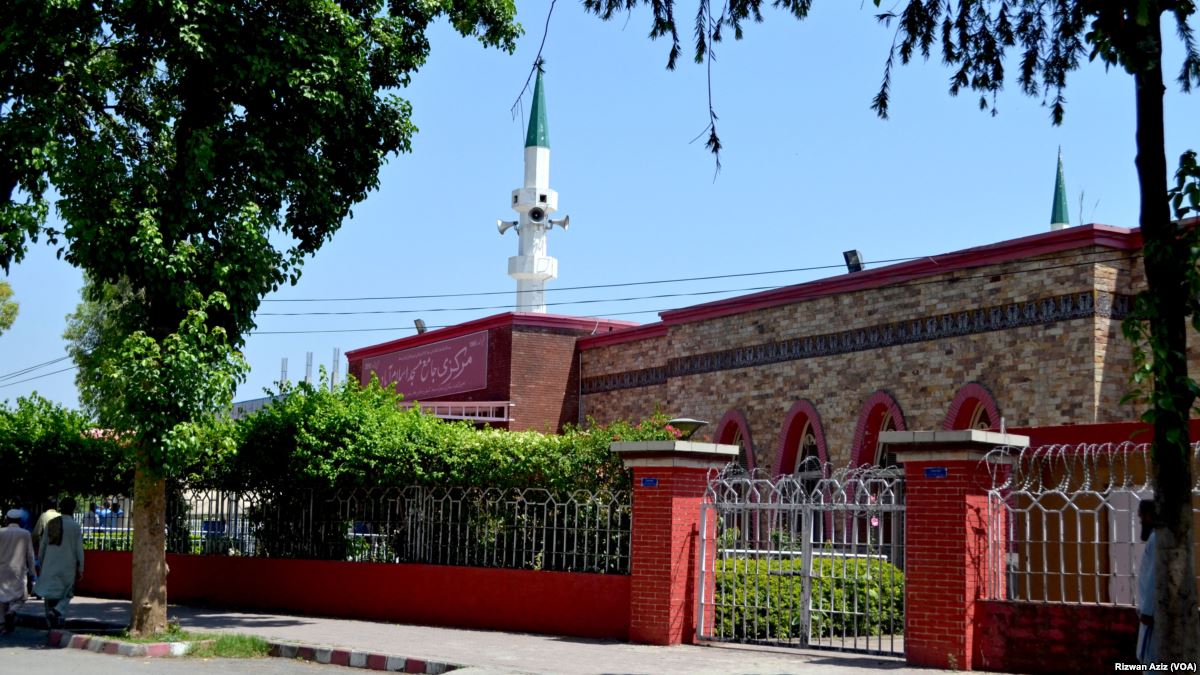
The Lal Masjid was founded by Muhammad Abdullah Ghazi in 1965 and President Ayub Khan laid the foundation stone for the mosque. In English, Lal Masjid translates to the "Red Mosque", and the name is derived from the red color of the mosque's walls and interiors.
Since its founding, the mosque was frequented by leaders of the Pakistani military and government including prominent Pakistani leaders such as Presidents Ghulam Ishaq Khan and Farooq Leghari, and Prime Minister Balakh Sher Mazari as well as foreign leaders, including Saudi Kings Faisal and Khalid, and Bangladeshi President Ziaur Rahman.
Muhammad Zia-ul-Haq, the Army Chief of Staff who later became president after seizing power in a coup d'état in 1977, was a close associate of the mosque's Imam Abdullah. The mosque is located near the headquarters of Pakistan's Inter-Services Intelligence (ISI), and several staff members were known to go there for prayers. During and after the Soviet–Afghan War, the mosque continued to function as a center for Islamic fundamentalist learning and housed several thousand male and female students in adjacent seminaries.
Hub AI
Siege of Lal Masjid AI simulator
(@Siege of Lal Masjid_simulator)
Siege of Lal Masjid
The siege of Lal Masjid (Urdu: لال مسجد محاصرہ; code-named Operation Sunrise initially code-named as Operation Silence) was an armed confrontation in July 2007 between a Islamist fundamentalist private militia and the government of Pakistan, led by president Pervez Musharraf and prime minister Shaukat Aziz. The focal points of the operation were the Lal Masjid ("Red Mosque") and the Jamia Hafsa madrasah complex in Islamabad, Pakistan.
Lal Masjid had been operated by two brothers, Abdul Aziz and Abdul Rashid, while the adjacent Jamia Hafsa madrasah been operated by Abdul Aziz's wife Umme Hassan. They advocated the imposition of Sharia (Islamic religious law) in Pakistan and openly called for the overthrow of the Pakistani government. Lal Masjid was in constant conflict with the authorities in Islamabad for 18 months prior to the military operation. They engaged in violent demonstrations, destruction of property, kidnapping and arson. After a combination of events such as Jamia Hafsa vigilantes taking hostage the Chinese massage parlor's workers and militia members setting fire to the Ministry of Environment building and attacking the Pakistan Rangers personnel who guarded it, the military responded, and the siege of the Lal Masjid complex began. The military response was the result of not only pressure from locals but also diplomatic pressure from China and the United States.
The complex was besieged from 3 to 11 July 2007 and was eventually stormed and captured by the Pakistan Army's Special Service Group. The government reported that the operation resulted in 154 deaths, and the capture of 50 militia members.
The siege had profound and lasting consequences for Pakistan. In its aftermath, the Taliban and their affiliated tribal militant groups in Federally Administered Tribal Areas and Khyber Pakthunkhwa renounced the Waziristan Accord, a ten-month-old peace agreement with the Pakistani government. Following the siege, a wave of militancy and violence swept the country. This began the same month with an event known as the July bombings, the ensuing violence caused over 4,000 casualties in 2008. historians often cite the siege as the catalyst for the intensification of the War in North-West Pakistan. Regarded as one of the longest urban battles in Pakistan's history, the event has also been likened by historians to both the Waco siege and Operation Blue Star.
The siege became a highly controversial event, even within military circles. Senior generals like Jamshed Gulzar Kiani and Asad Durrani criticized the government's handling of the operation, claiming the use of unnecessary force led to a significant loss of life. Meanwhile, officials within GHQ claimed the operation was planned by Tariq Majid under the direct orders of Pervez Musharraf, deliberately sidestepping and without getting the approval for the operation by the Army's General Headquarters and Directorate of Military Operations. The decision was so centralized that, as former federal ministers later confirmed, it was made without consulting the Cabinet of Pakistan.
The Lal Masjid was founded by Muhammad Abdullah Ghazi in 1965 and President Ayub Khan laid the foundation stone for the mosque. In English, Lal Masjid translates to the "Red Mosque", and the name is derived from the red color of the mosque's walls and interiors.
Since its founding, the mosque was frequented by leaders of the Pakistani military and government including prominent Pakistani leaders such as Presidents Ghulam Ishaq Khan and Farooq Leghari, and Prime Minister Balakh Sher Mazari as well as foreign leaders, including Saudi Kings Faisal and Khalid, and Bangladeshi President Ziaur Rahman.
Muhammad Zia-ul-Haq, the Army Chief of Staff who later became president after seizing power in a coup d'état in 1977, was a close associate of the mosque's Imam Abdullah. The mosque is located near the headquarters of Pakistan's Inter-Services Intelligence (ISI), and several staff members were known to go there for prayers. During and after the Soviet–Afghan War, the mosque continued to function as a center for Islamic fundamentalist learning and housed several thousand male and female students in adjacent seminaries.
Recent media