
Recent from talks
Oscar Brown
Knowledge base stats:
Talk channels stats:
Members stats:
Oscar Brown
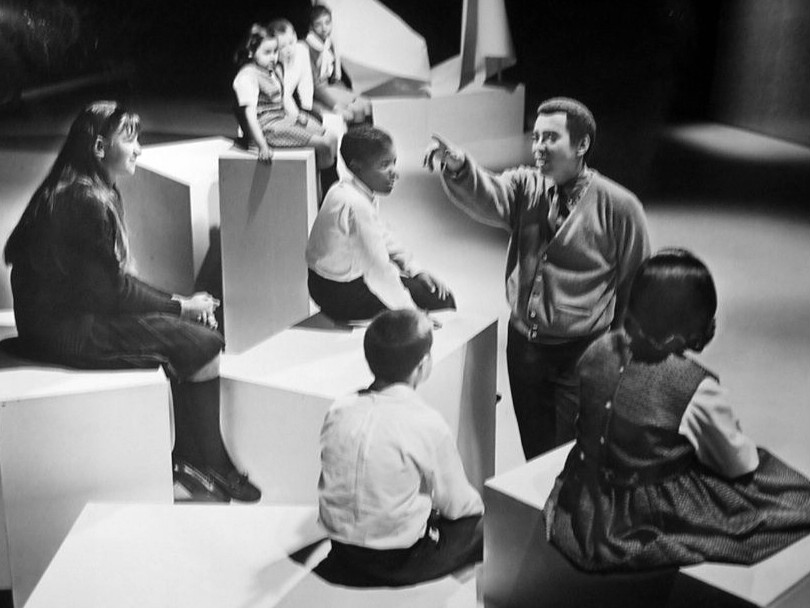
Oscar Brown Jr. (October 10, 1926 – May 29, 2005) was an American singer, songwriter, playwright, poet, actor, and civil rights activist (Brown was African-American). Brown discovered The Jackson 5. Aside from his career, Brown ran unsuccessfully for office in both the Illinois state legislature and the U.S. Congress. Brown wrote many songs (125 have been published), 12 albums, and more than a dozen musical plays.
Brown was born in Chicago, Illinois, to Helen (née Clark) and Oscar Brown Sr., an attorney and real estate broker. His acting debut came on the Chicago radio show Secret City at the age of 15. After graduating from Englewood High School, Brown attended first the University of Wisconsin–Madison and then Lincoln University in Pennsylvania, but he dropped out of college and never returned.
During Brown's twenties, he worked as the "world's first Black newscaster" for Negro Newsfront, a Chicago radio program that he co-produced with Vernon Jarrett. He worked briefly in real estate and public relations before running for political offices: for the Illinois Legislature in 1948 through the Progressive Party, and for the U. S. House of Representatives as a Republican in 1952. During this period, 1946 to 1956, he was a member of the Communist Party USA; he quit when he decided that he was "just too black to be red". Later he served two years in the U. S. Army.
Brown was a contributor to the weekly WMAQ Chicago radio series Destination Freedom (written by Richard Durham) both during its early years (1948–1949) and in the 1950 revival.
Brown's father intended for him to follow in his footsteps and become a practicing lawyer. While Brown did help his father at his practice, he ventured off into other careers such as advertising and served in the US Army in the mid-1950s. He also wrote songs.
In the early 1950s, Brown was hired as a copy-writer by a small Chicago advertising company on Rush Street, Gershuny and Associates, owned by Sam Gershuny and Sheldon Sosna. At that time, Rush Street was totally segregated, and Sam and Shelly took him to Adolf's, an upscale Italian restaurant. As soon as they walked in, the owner sent a busboy to inform that the boss "did not want to serve Negroes in his restaurant". However, they refused to leave until he finally decided to serve them. They repeated this activity in many restaurants on Rush Street. A fraternity brother of Gershuny and Sosna owned a string of hotels and approached them about advertising his hotels, by sponsoring two hours of the news in the morning on a black radio station. They decided to make Oscar Brown Jr. the disc jockey for the segment, from 5:30 to 7:30 in the morning. Unfortunately, they discovered Oscar not arriving on time. Also, Brown would make politically controversial comments about the on-going Korean War. As a result, he was released from the job.
When Mahalia Jackson recorded one of his songs, "Brown Baby", he began to focus on a career as a songwriter. His first major contribution to a recorded work was a collaboration with Max Roach, We Insist! (1960), which was an early record celebrating the black freedom movement in the United States. Columbia Records signed Brown as a solo artist, who was by now in his mid-thirties and married with five children.
In January 1961, Brown released his first LP, Sin & Soul, recorded from June 20 to October 23, 1960. Printed on the cover of the album were personal reviews by well-known celebrities and jazz musicians of the time, including Steve Allen, Lorraine Hansberry, Nat Hentoff, Dorothy Killgallen, Max Roach and Nina Simone (Simone would later cover his "Work Song" and Steve Allen would later hire him for his Jazz Scene USA television program). The album is regarded as a "true classic" for openly tackling the experiences of African Americans with songs such as "Bid 'Em In" and "Afro Blue". Sin & Soul is also significant because Brown took several popular jazz instrumentals and combined them with self-penned lyrics on songs such as "Dat Dere", "Afro Blue" and "Work Song". This began a trend that would continue with several other major jazz vocalists. Several of the tracks from Sin & Soul were embraced by the 1960s Mod movement, such as "Humdrum Blues", "Work Song" and Herbie Hancock's, "Watermelon Man". Sin & Soul was followed by Between Heaven and Hell (1962). The success of Sin & Soul meant that much more money was spent on production, and Quincy Jones and Ralph Burns were bought in to handle the arrangements.
Hub AI
Oscar Brown AI simulator
(@Oscar Brown_simulator)
Oscar Brown
Oscar Brown Jr. (October 10, 1926 – May 29, 2005) was an American singer, songwriter, playwright, poet, actor, and civil rights activist (Brown was African-American). Brown discovered The Jackson 5. Aside from his career, Brown ran unsuccessfully for office in both the Illinois state legislature and the U.S. Congress. Brown wrote many songs (125 have been published), 12 albums, and more than a dozen musical plays.
Brown was born in Chicago, Illinois, to Helen (née Clark) and Oscar Brown Sr., an attorney and real estate broker. His acting debut came on the Chicago radio show Secret City at the age of 15. After graduating from Englewood High School, Brown attended first the University of Wisconsin–Madison and then Lincoln University in Pennsylvania, but he dropped out of college and never returned.
During Brown's twenties, he worked as the "world's first Black newscaster" for Negro Newsfront, a Chicago radio program that he co-produced with Vernon Jarrett. He worked briefly in real estate and public relations before running for political offices: for the Illinois Legislature in 1948 through the Progressive Party, and for the U. S. House of Representatives as a Republican in 1952. During this period, 1946 to 1956, he was a member of the Communist Party USA; he quit when he decided that he was "just too black to be red". Later he served two years in the U. S. Army.
Brown was a contributor to the weekly WMAQ Chicago radio series Destination Freedom (written by Richard Durham) both during its early years (1948–1949) and in the 1950 revival.
Brown's father intended for him to follow in his footsteps and become a practicing lawyer. While Brown did help his father at his practice, he ventured off into other careers such as advertising and served in the US Army in the mid-1950s. He also wrote songs.
In the early 1950s, Brown was hired as a copy-writer by a small Chicago advertising company on Rush Street, Gershuny and Associates, owned by Sam Gershuny and Sheldon Sosna. At that time, Rush Street was totally segregated, and Sam and Shelly took him to Adolf's, an upscale Italian restaurant. As soon as they walked in, the owner sent a busboy to inform that the boss "did not want to serve Negroes in his restaurant". However, they refused to leave until he finally decided to serve them. They repeated this activity in many restaurants on Rush Street. A fraternity brother of Gershuny and Sosna owned a string of hotels and approached them about advertising his hotels, by sponsoring two hours of the news in the morning on a black radio station. They decided to make Oscar Brown Jr. the disc jockey for the segment, from 5:30 to 7:30 in the morning. Unfortunately, they discovered Oscar not arriving on time. Also, Brown would make politically controversial comments about the on-going Korean War. As a result, he was released from the job.
When Mahalia Jackson recorded one of his songs, "Brown Baby", he began to focus on a career as a songwriter. His first major contribution to a recorded work was a collaboration with Max Roach, We Insist! (1960), which was an early record celebrating the black freedom movement in the United States. Columbia Records signed Brown as a solo artist, who was by now in his mid-thirties and married with five children.
In January 1961, Brown released his first LP, Sin & Soul, recorded from June 20 to October 23, 1960. Printed on the cover of the album were personal reviews by well-known celebrities and jazz musicians of the time, including Steve Allen, Lorraine Hansberry, Nat Hentoff, Dorothy Killgallen, Max Roach and Nina Simone (Simone would later cover his "Work Song" and Steve Allen would later hire him for his Jazz Scene USA television program). The album is regarded as a "true classic" for openly tackling the experiences of African Americans with songs such as "Bid 'Em In" and "Afro Blue". Sin & Soul is also significant because Brown took several popular jazz instrumentals and combined them with self-penned lyrics on songs such as "Dat Dere", "Afro Blue" and "Work Song". This began a trend that would continue with several other major jazz vocalists. Several of the tracks from Sin & Soul were embraced by the 1960s Mod movement, such as "Humdrum Blues", "Work Song" and Herbie Hancock's, "Watermelon Man". Sin & Soul was followed by Between Heaven and Hell (1962). The success of Sin & Soul meant that much more money was spent on production, and Quincy Jones and Ralph Burns were bought in to handle the arrangements.
Recent media