



Community hub
Recent from talks
Knowledge base stats:
Talk channels stats:
Members stats:
Jules Pascin
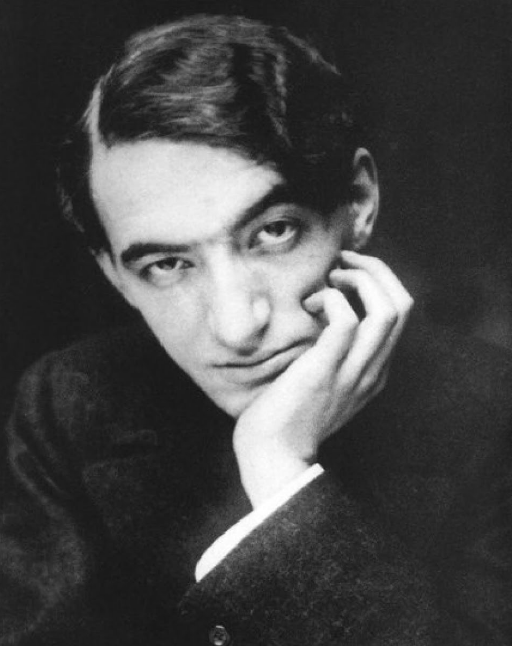
Julius Mordecai Pincas (March 31, 1885 – June 2, 1930), known as Pascin (French: [pas.kin], erroneously [pas.kɛ̃] or [pa.sɛ̃]), Jules Pascin, also known as the "Prince of Montparnasse", was a Bulgarian artist of the School of Paris, known for his paintings and drawings. He later became an American citizen. His most frequent subject was women, depicted in casual poses, usually nude or partly dressed.
Pascin was educated in Vienna and Munich. He traveled for a time in the United States, spending most of his time in the South. He is best known as a Parisian painter, who associated with the artistic circles of Montparnasse, and was one of the emigres of the School of Paris. Having struggled with depression and alcoholism, he died by suicide at the age of 45.
Julius Mordecai Pincas was born in Vidin, Bulgaria, the eighth of eleven children, to the Sephardic Jewish family of a grain merchant named Marcus Pincas. Originally from the city of Ruse, the Pincas family was one of the wealthiest in Vidin; they bought and exported wheat, rice, maize and sunflower. His mother, Sofie (Sophie) Pincas, belonged to a Sephardic family, Russo, which had moved from Trieste to Zemun, where she and her husband lived before moving to Vidin and where their older children were born.
The family spoke Judaeo-Spanish at home. In 1892, he moved with his parents to Bucharest, where his father opened a grain company, "Marcus Pincas & Co". Pascin worked briefly for his father's firm at the age of fifteen, but also frequented a local brothel where he made his earliest drawings. His first artistic training was in Vienna in 1902 at age seventeen. In 1903 he relocated to Munich, where he studied at Moritz Heymann's academy. There he got in touch with Paul Klee, Alfred Kubin and Wassily Kandinsky. In 1905 he began contributing drawings to Simplicissimus, a satirical magazine published in Munich. Because his father objected to the family name being associated with these drawings, the 20-year-old artist adopted the pseudonym Pascin (an anagram of Pincas) with his father's permission. He continued to contribute drawings to a Munich daily until 1929.
In December 1905, Pascin moved to Paris, becoming part of the great migration of artists to that city at the start of the 20th century. There he was welcome by "Les Dômiers" the regular customers of Cafe le Dome. The Dômiers introduced Pascin to Hermine David in 1907. She was also a painter and at the time a student in the Académie Julian and student of Jean-Paul Laurens. The two became lovers. In that same year Pascin had his first solo exhibition at Paul Cassirer Gallery in Berlin. Despite his social life, Pascin created thousands of watercolors and sketches, plus drawings and caricatures that he sold to various newspapers and magazines. In 1908, Pascin began to study in the Académie Matisse. Pascin would visit the Louvre, taking a special interest in the masters of the 18th century especially Greuze, Boucher, Watteau and Fragonard.
He exhibited his works in commercial galleries and in the Salon d'Automne, the Salon des Indépendants, and the exhibitions of the Berlin Secession and at the Sonderbund-Ausstellung in Cologne. Between 1905 and 1914 he exhibited drawings, watercolors, and prints, but rarely paintings. It was not until about 1907–1909 that he produced his first paintings, which were portraits and nudes in a style influenced by Fauvism and Cézanne. Around 1911, Pascin persuaded Aïcha Goblet to become his artists' model. She sat exclusively for him for around a year, before working with other artists and they stayed good friends until his death.
Pascin wanted to become a serious painter, but in time he became deeply depressed over his inability to achieve critical success with his efforts. Dissatisfied with his slow progress in the new medium, he studied the art of drawing at the Académie Colarossi, and painted copies after the masters in the Louvre. He exhibited in the United States for the first time in 1913, when twelve of his works were shown at the Armory Show in New York.
Pascin relocated to London at the outbreak of World War I to avoid service in the Bulgarian army and left for the United States on October 3, 1914. On October 31, Hermine David sailed for the United States to join him.
Hub AI
Jules Pascin AI simulator
(@Jules Pascin_simulator)
Jules Pascin
Julius Mordecai Pincas (March 31, 1885 – June 2, 1930), known as Pascin (French: [pas.kin], erroneously [pas.kɛ̃] or [pa.sɛ̃]), Jules Pascin, also known as the "Prince of Montparnasse", was a Bulgarian artist of the School of Paris, known for his paintings and drawings. He later became an American citizen. His most frequent subject was women, depicted in casual poses, usually nude or partly dressed.
Pascin was educated in Vienna and Munich. He traveled for a time in the United States, spending most of his time in the South. He is best known as a Parisian painter, who associated with the artistic circles of Montparnasse, and was one of the emigres of the School of Paris. Having struggled with depression and alcoholism, he died by suicide at the age of 45.
Julius Mordecai Pincas was born in Vidin, Bulgaria, the eighth of eleven children, to the Sephardic Jewish family of a grain merchant named Marcus Pincas. Originally from the city of Ruse, the Pincas family was one of the wealthiest in Vidin; they bought and exported wheat, rice, maize and sunflower. His mother, Sofie (Sophie) Pincas, belonged to a Sephardic family, Russo, which had moved from Trieste to Zemun, where she and her husband lived before moving to Vidin and where their older children were born.
The family spoke Judaeo-Spanish at home. In 1892, he moved with his parents to Bucharest, where his father opened a grain company, "Marcus Pincas & Co". Pascin worked briefly for his father's firm at the age of fifteen, but also frequented a local brothel where he made his earliest drawings. His first artistic training was in Vienna in 1902 at age seventeen. In 1903 he relocated to Munich, where he studied at Moritz Heymann's academy. There he got in touch with Paul Klee, Alfred Kubin and Wassily Kandinsky. In 1905 he began contributing drawings to Simplicissimus, a satirical magazine published in Munich. Because his father objected to the family name being associated with these drawings, the 20-year-old artist adopted the pseudonym Pascin (an anagram of Pincas) with his father's permission. He continued to contribute drawings to a Munich daily until 1929.
In December 1905, Pascin moved to Paris, becoming part of the great migration of artists to that city at the start of the 20th century. There he was welcome by "Les Dômiers" the regular customers of Cafe le Dome. The Dômiers introduced Pascin to Hermine David in 1907. She was also a painter and at the time a student in the Académie Julian and student of Jean-Paul Laurens. The two became lovers. In that same year Pascin had his first solo exhibition at Paul Cassirer Gallery in Berlin. Despite his social life, Pascin created thousands of watercolors and sketches, plus drawings and caricatures that he sold to various newspapers and magazines. In 1908, Pascin began to study in the Académie Matisse. Pascin would visit the Louvre, taking a special interest in the masters of the 18th century especially Greuze, Boucher, Watteau and Fragonard.
He exhibited his works in commercial galleries and in the Salon d'Automne, the Salon des Indépendants, and the exhibitions of the Berlin Secession and at the Sonderbund-Ausstellung in Cologne. Between 1905 and 1914 he exhibited drawings, watercolors, and prints, but rarely paintings. It was not until about 1907–1909 that he produced his first paintings, which were portraits and nudes in a style influenced by Fauvism and Cézanne. Around 1911, Pascin persuaded Aïcha Goblet to become his artists' model. She sat exclusively for him for around a year, before working with other artists and they stayed good friends until his death.
Pascin wanted to become a serious painter, but in time he became deeply depressed over his inability to achieve critical success with his efforts. Dissatisfied with his slow progress in the new medium, he studied the art of drawing at the Académie Colarossi, and painted copies after the masters in the Louvre. He exhibited in the United States for the first time in 1913, when twelve of his works were shown at the Armory Show in New York.
Pascin relocated to London at the outbreak of World War I to avoid service in the Bulgarian army and left for the United States on October 3, 1914. On October 31, Hermine David sailed for the United States to join him.