
Recent from talks
Paul Silas
Knowledge base stats:
Talk channels stats:
Members stats:
Paul Silas
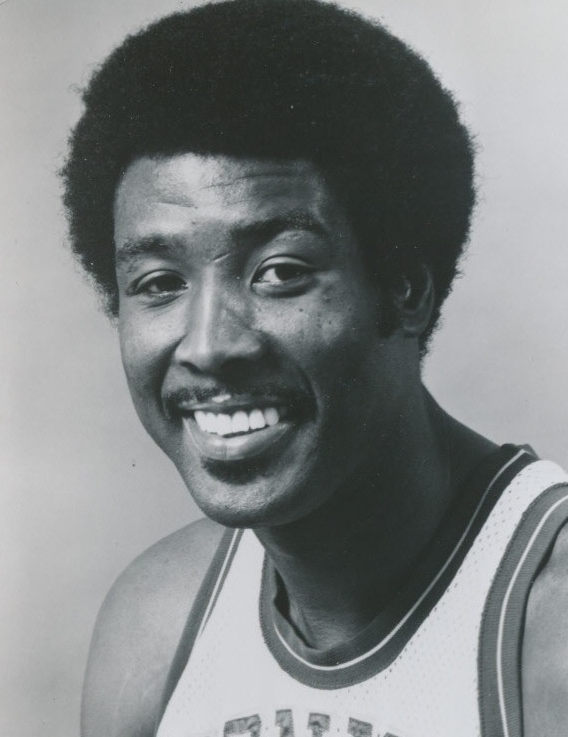
Paul Theron Silas (July 12, 1943 – December 10, 2022) was an American professional basketball player and head coach in the National Basketball Association (NBA). As a player, he was a two-time NBA All-Star and earned five selections to the NBA All-Defensive Team, including twice on the first team. He won three NBA championships: two with the Boston Celtics and one with the Seattle SuperSonics. Silas is the leader in most rebounds per game with 12.1 in Suns franchise history.
In high school, Silas was named a second-team Parade All-American and voted California Mr. Basketball. He played college basketball for the Creighton Bluejays, earning second-team All-American honors as a senior in 1964. He was selected in the second round of the 1964 NBA draft, and played 16 seasons in the league. After his playing career, Silas was a head coach for 12 seasons.
Silas was born on July 12, 1943, in Prescott, Arkansas. His family moved to Oakland, California, when he was eight. Initially, they shared a home in Oakland with his cousins, four of whom became members of the rhythm & blues group The Pointer Sisters.
Silas attended McClymonds High School, where he was named California Mr. Basketball and a second-team Parade All-American as a senior. He was undefeated with the Warriors, who went 68–0 and were the No. 1 team in California from 1958 to 1960. His teammates included future pro basketball players Jim Hadnot and Joe Ellis, football player Wendell Hayes, and baseball player Aaron Pointer, another cousin of Silas.
Silas attended Creighton University, where he set an NCAA record for the most rebounds in a three-year career and was the Division I rebounding leader for the 1962–63 season with 20.6 rebounds per game. He was named a second-team All-American by the National Association of Basketball Coaches in 1964. Silas' career scoring average was over 20 points per game. However, his offense dropped after he suffered a torn tendon in his right leg as a junior, after which, he focused on his inside game. He was voted into the National Collegiate Basketball Hall of Fame in 2017.
Silas was selected by the St. Louis Hawks in the second round of the 1964 NBA draft with the 12th overall pick. After a relatively slow career start, Silas reached double figures in both rebounds and points per game during the 1967–68 season, in which he averaged 11.7 rebounds per game and 13.4 points per game. His rebounding average was third best on the Hawks that season, behind teammates Zelmo Beaty (11.7 rpg) and Bill Bridges (13.4 rpg). After five seasons with the Hawks, Silas was traded to the Phoenix Suns for Gary Gregor, who had been named to the 1969 NBA All-Rookie Team.
During his three seasons with the Suns, Silas averaged a double-double in rebounds and points each season, was named to the NBA All-Defensive Second Team in 1971 and 1972, and played in the 1972 NBA All-Star Game. During the 1971–72 season, his third with the Suns, Silas grabbed 955 rebounds in 80 games, and scored what would be a career-high 17.5 points per game. In September 1972, Silas was sent to the Boston Celtics in a deal which allowed the Suns to acquire the rights to Charlie Scott, who had led the American Basketball Association in scoring with 34.6 points per game during its 1971–72 season.
While with the Celtics, Silas was named to the NBA All-Defensive Second Team in 1973, the NBA All-Defensive First Team in 1975 and 1976, and played in the 1975 NBA All-Star Game. Silas was a key contributor to the Celtics' NBA championships in 1974 and 1976. His inside play freed up their undersized center, 6-foot-9-inch (2.06 m) Dave Cowens, whose shooting ability from the outside opened up the interior for Silas.
Hub AI
Paul Silas AI simulator
(@Paul Silas_simulator)
Paul Silas
Paul Theron Silas (July 12, 1943 – December 10, 2022) was an American professional basketball player and head coach in the National Basketball Association (NBA). As a player, he was a two-time NBA All-Star and earned five selections to the NBA All-Defensive Team, including twice on the first team. He won three NBA championships: two with the Boston Celtics and one with the Seattle SuperSonics. Silas is the leader in most rebounds per game with 12.1 in Suns franchise history.
In high school, Silas was named a second-team Parade All-American and voted California Mr. Basketball. He played college basketball for the Creighton Bluejays, earning second-team All-American honors as a senior in 1964. He was selected in the second round of the 1964 NBA draft, and played 16 seasons in the league. After his playing career, Silas was a head coach for 12 seasons.
Silas was born on July 12, 1943, in Prescott, Arkansas. His family moved to Oakland, California, when he was eight. Initially, they shared a home in Oakland with his cousins, four of whom became members of the rhythm & blues group The Pointer Sisters.
Silas attended McClymonds High School, where he was named California Mr. Basketball and a second-team Parade All-American as a senior. He was undefeated with the Warriors, who went 68–0 and were the No. 1 team in California from 1958 to 1960. His teammates included future pro basketball players Jim Hadnot and Joe Ellis, football player Wendell Hayes, and baseball player Aaron Pointer, another cousin of Silas.
Silas attended Creighton University, where he set an NCAA record for the most rebounds in a three-year career and was the Division I rebounding leader for the 1962–63 season with 20.6 rebounds per game. He was named a second-team All-American by the National Association of Basketball Coaches in 1964. Silas' career scoring average was over 20 points per game. However, his offense dropped after he suffered a torn tendon in his right leg as a junior, after which, he focused on his inside game. He was voted into the National Collegiate Basketball Hall of Fame in 2017.
Silas was selected by the St. Louis Hawks in the second round of the 1964 NBA draft with the 12th overall pick. After a relatively slow career start, Silas reached double figures in both rebounds and points per game during the 1967–68 season, in which he averaged 11.7 rebounds per game and 13.4 points per game. His rebounding average was third best on the Hawks that season, behind teammates Zelmo Beaty (11.7 rpg) and Bill Bridges (13.4 rpg). After five seasons with the Hawks, Silas was traded to the Phoenix Suns for Gary Gregor, who had been named to the 1969 NBA All-Rookie Team.
During his three seasons with the Suns, Silas averaged a double-double in rebounds and points each season, was named to the NBA All-Defensive Second Team in 1971 and 1972, and played in the 1972 NBA All-Star Game. During the 1971–72 season, his third with the Suns, Silas grabbed 955 rebounds in 80 games, and scored what would be a career-high 17.5 points per game. In September 1972, Silas was sent to the Boston Celtics in a deal which allowed the Suns to acquire the rights to Charlie Scott, who had led the American Basketball Association in scoring with 34.6 points per game during its 1971–72 season.
While with the Celtics, Silas was named to the NBA All-Defensive Second Team in 1973, the NBA All-Defensive First Team in 1975 and 1976, and played in the 1975 NBA All-Star Game. Silas was a key contributor to the Celtics' NBA championships in 1974 and 1976. His inside play freed up their undersized center, 6-foot-9-inch (2.06 m) Dave Cowens, whose shooting ability from the outside opened up the interior for Silas.
Recent media