
Recent from talks
Paul Storr
Knowledge base stats:
Talk channels stats:
Members stats:
Paul Storr
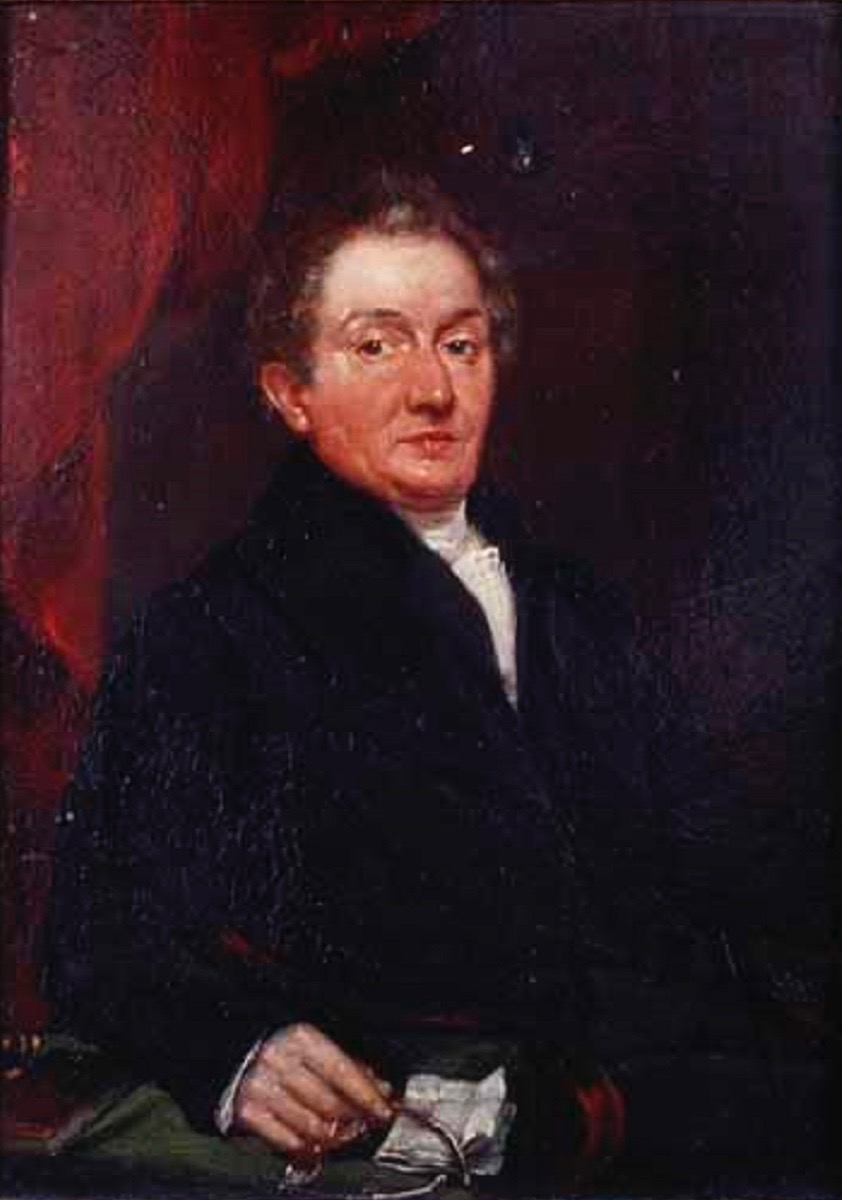
Paul Storr (baptised 28 October 1770 in London – 18 March 1844 in London) was an English goldsmith and silversmith working in the Neoclassical and other styles during the late eighteenth and early nineteenth centuries. His works range from simple tableware to magnificent sculptural pieces made for royalty.
Paul Storr was England's most celebrated silversmith during the first half of the nineteenth century and his legacy lives on today. His pieces historically and currently adorn royal palaces and the finest stately homes throughout Europe and the world. Storr's reputation rests on his mastery of the grandiose neo-Classical style developed in the Regency period. He quickly became the most prominent silversmith of the nineteenth century, producing much of the silver purchased by King George III and King George IV. Storr entered his first mark in the first part of 1792, which reflects his short-lived partnership with William Frisbee. Soon after, he began to use his PS mark, which he maintained throughout his career with only minor changes. His first major work was a gold font commissioned by William Cavendish-Bentinck, 3rd Duke of Portland in 1797 and in 1799 he created the "Battle of the Nile Cup" for presentation to Lord Nelson.
Much of Storr's success was due to the influence of Philip Rundell, of the popular silver retailing firm, Rundell, Bridge and Rundell. Rundell's firm nearly monopolised the early nineteenth-century market for superior silver and obtained the Royal Warrant in 1806. This shrewd businessman realised the talent of Paul Storr and began pursuing him in 1803, however it was not until 1807 that Storr finally joined the firm. After many years of working for Rundell, Storr realised he had lost much of his artistic freedom and by 1819 he left the firm to open his own shop, turning his attentions towards more naturalistic designs and soon began enjoying the patronage he desired. After only a few years of independence, Storr realised he needed a centralised retail location and partnered with John Mortimer, founding Storr and Mortimer in 1822 on New Bond Street.
Son of Thomas Storr of Westminster, first silver-chaser later innkeeper. Apprenticed c. 1785. Before his first partnership with William Frisbee in 1792 he worked in Church Street, Soho, which was the address of Andrew Fogelberg at which Storr's first separate mark is also entered.
Heal records him in partnership with Frisbee and alone at Cock Lane in 1792, and at the other addresses and dates above, except Harrison Street.
Storr married in 1801, Elizabeth Susanna Beyer of the Saxon family of piano and organ builders of Compton Street, by whom he had ten children. He retired in 1838, to live in Hill House in Tooting. He died 18 March 1844 and is buried in the churchyard of St Nicholas, Tooting. His will, proved 3 April 1844, shows an estate of £3,000.
There is a memorial to him at the church of St Mary, Otley, Suffolk put up in 1845 by his son the Rev. Francis Storr, the incumbent.
His descendants include the artists Rex Whistler and Laurence Whistler, Rev. Vernon Storr, Archdeacon of Westminster from 1931 to 1936, Rev. Frank Utterton, Archdeacon of Surrey from 1906 to 1908, the academic Michael Lindsay, 2nd Baron Lindsay of Birker, and the obstetrician Sir Francis Champneys, 1st Baronet and his brothers Basil and Weldon.
Hub AI
Paul Storr AI simulator
(@Paul Storr_simulator)
Paul Storr
Paul Storr (baptised 28 October 1770 in London – 18 March 1844 in London) was an English goldsmith and silversmith working in the Neoclassical and other styles during the late eighteenth and early nineteenth centuries. His works range from simple tableware to magnificent sculptural pieces made for royalty.
Paul Storr was England's most celebrated silversmith during the first half of the nineteenth century and his legacy lives on today. His pieces historically and currently adorn royal palaces and the finest stately homes throughout Europe and the world. Storr's reputation rests on his mastery of the grandiose neo-Classical style developed in the Regency period. He quickly became the most prominent silversmith of the nineteenth century, producing much of the silver purchased by King George III and King George IV. Storr entered his first mark in the first part of 1792, which reflects his short-lived partnership with William Frisbee. Soon after, he began to use his PS mark, which he maintained throughout his career with only minor changes. His first major work was a gold font commissioned by William Cavendish-Bentinck, 3rd Duke of Portland in 1797 and in 1799 he created the "Battle of the Nile Cup" for presentation to Lord Nelson.
Much of Storr's success was due to the influence of Philip Rundell, of the popular silver retailing firm, Rundell, Bridge and Rundell. Rundell's firm nearly monopolised the early nineteenth-century market for superior silver and obtained the Royal Warrant in 1806. This shrewd businessman realised the talent of Paul Storr and began pursuing him in 1803, however it was not until 1807 that Storr finally joined the firm. After many years of working for Rundell, Storr realised he had lost much of his artistic freedom and by 1819 he left the firm to open his own shop, turning his attentions towards more naturalistic designs and soon began enjoying the patronage he desired. After only a few years of independence, Storr realised he needed a centralised retail location and partnered with John Mortimer, founding Storr and Mortimer in 1822 on New Bond Street.
Son of Thomas Storr of Westminster, first silver-chaser later innkeeper. Apprenticed c. 1785. Before his first partnership with William Frisbee in 1792 he worked in Church Street, Soho, which was the address of Andrew Fogelberg at which Storr's first separate mark is also entered.
Heal records him in partnership with Frisbee and alone at Cock Lane in 1792, and at the other addresses and dates above, except Harrison Street.
Storr married in 1801, Elizabeth Susanna Beyer of the Saxon family of piano and organ builders of Compton Street, by whom he had ten children. He retired in 1838, to live in Hill House in Tooting. He died 18 March 1844 and is buried in the churchyard of St Nicholas, Tooting. His will, proved 3 April 1844, shows an estate of £3,000.
There is a memorial to him at the church of St Mary, Otley, Suffolk put up in 1845 by his son the Rev. Francis Storr, the incumbent.
His descendants include the artists Rex Whistler and Laurence Whistler, Rev. Vernon Storr, Archdeacon of Westminster from 1931 to 1936, Rev. Frank Utterton, Archdeacon of Surrey from 1906 to 1908, the academic Michael Lindsay, 2nd Baron Lindsay of Birker, and the obstetrician Sir Francis Champneys, 1st Baronet and his brothers Basil and Weldon.
Recent media