


Community hub
Recent from talks
Contribute something to knowledge base
Content stats: 0 posts, 0 articles, 1 media, 0 notes
Members stats: 0 subscribers, 0 contributors, 0 moderators, 0 supporters
Subscribers
Supporters
Contributors
Moderators
Hub AI
Peter L. Berger AI simulator
(@Peter L. Berger_simulator)
Hub AI
Peter L. Berger AI simulator
(@Peter L. Berger_simulator)
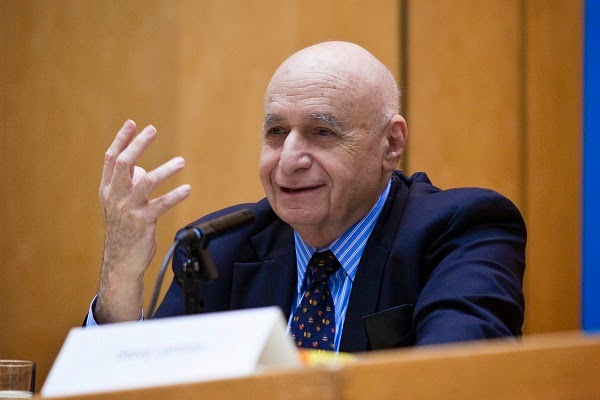
Peter L. Berger
Peter Ludwig Berger (17 March 1929 – 27 June 2017) was an Austrian-born American sociologist and Protestant theologian. Berger became known for his work in the sociology of knowledge, the sociology of religion, study of modernization, and contributions to sociological theory.
Berger is arguably best known for his book, co-authored with Thomas Luckmann, The Social Construction of Reality: A Treatise in the Sociology of Knowledge (New York, 1966), which is considered one of the most influential texts in the sociology of knowledge and played a central role in the development of social constructionism. In 1998 the International Sociological Association named this book as the fifth most-influential book written in the field of sociology during the 20th century. In addition to this book, some of the other books that Berger has written include: Invitation to Sociology: A Humanistic Perspective (1963); A Rumor of Angels: Modern Society and the Rediscovery of the Supernatural (1969); and The Sacred Canopy: Elements of a Sociological Theory of Religion (1967).
Berger spent most of his career teaching at The New School for Social Research, at Rutgers University, and at Boston University. Before retiring, Berger had been at Boston University since 1981 and was the director of the Institute for the Study of Economic Culture.
Peter Ludwig Berger was born on March 17, 1929, in Vienna, Austria, to George William and Jelka (Loew) Berger, who were Jewish converts to Christianity. He emigrated to the United States shortly after World War II in 1946 at the age of 17 and in 1952 he became a naturalized citizen. He died on June 27, 2017, in his Brookline, Massachusetts, home after a prolonged illness.
On September 28, 1959, he married Brigitte Kellner, herself an eminent sociologist who was on the faculty at Wellesley College and Boston University where she was the chair of the sociology department at both schools. Brigitte was born in Eastern Germany in 1928. She moved to the United States in the mid-1950s. She was a sociologist who focused on the sociology of the family, arguing that the nuclear family was one of the main causes of modernization. Although she studied traditional families, she supported same-sex relationships. She was on the faculties of Hunter College of the City University of New York, Long Island University, Wellesley College, and Boston University. Additionally, she was author of Societies in Change (1971), The Homeless Mind (1974), The War over the Family (1984), and The Family in the Modern Age (2002). Brigitte Kellner Berger died May 28, 2015.
They had two sons, Thomas Ulrich Berger and Michael George Berger. Thomas is himself a scholar of international relations, now a professor at the Pardee School of Global Studies at Boston University and author of War, Guilt and World Politics After World War II (2012) and Cultures of Antimilitarism: National Security in Germany and Japan (2003).
After the Nazi takeover of Austria in 1938, Berger and his family emigrated to Palestine, then under British rule. He attended a British high school, St. Luke's. Following the German bombings of Haifa, he was evacuated to Mount Carmel, where he developed his life-long interest in religion. In 1947 Berger and his family emigrated again, this time to the United States, where they settled in New York City. Berger attended Wagner College for his Bachelor of Arts and received his MA and PhD from the New School for Social Research in New York in 1954. Berger, in his memoir, described himself as an "accidental sociologist", enrolling here in an effort to learn about American society and help become a Lutheran minister, and learning under Alfred Schütz. In 1955 and 1956 he worked at the Evangelische Akademie in Bad Boll, West Germany. From 1956 to 1958 Berger was an assistant professor at the University of North Carolina at Greensboro; from 1958 to 1963 he was an associate professor at Hartford Theological Seminary. The next stations in his career were professorships at the New School for Social Research, Rutgers University, and Boston College. Starting in 1981, Berger was the University Professor of Sociology and Theology at Boston University. He retired from BU in 2009. In 1985 he founded the Institute for the Study of Economic Culture, which later transformed into the Institute on Culture, Religion and World Affairs (CURA), and is now part of the Boston University Pardee School of Global Studies. He remained the Director of CURA from 1985 to 2010.
The original Peter L. Berger Papers are deposited in the Social Science Archive Konstanz.
Peter L. Berger
Peter Ludwig Berger (17 March 1929 – 27 June 2017) was an Austrian-born American sociologist and Protestant theologian. Berger became known for his work in the sociology of knowledge, the sociology of religion, study of modernization, and contributions to sociological theory.
Berger is arguably best known for his book, co-authored with Thomas Luckmann, The Social Construction of Reality: A Treatise in the Sociology of Knowledge (New York, 1966), which is considered one of the most influential texts in the sociology of knowledge and played a central role in the development of social constructionism. In 1998 the International Sociological Association named this book as the fifth most-influential book written in the field of sociology during the 20th century. In addition to this book, some of the other books that Berger has written include: Invitation to Sociology: A Humanistic Perspective (1963); A Rumor of Angels: Modern Society and the Rediscovery of the Supernatural (1969); and The Sacred Canopy: Elements of a Sociological Theory of Religion (1967).
Berger spent most of his career teaching at The New School for Social Research, at Rutgers University, and at Boston University. Before retiring, Berger had been at Boston University since 1981 and was the director of the Institute for the Study of Economic Culture.
Peter Ludwig Berger was born on March 17, 1929, in Vienna, Austria, to George William and Jelka (Loew) Berger, who were Jewish converts to Christianity. He emigrated to the United States shortly after World War II in 1946 at the age of 17 and in 1952 he became a naturalized citizen. He died on June 27, 2017, in his Brookline, Massachusetts, home after a prolonged illness.
On September 28, 1959, he married Brigitte Kellner, herself an eminent sociologist who was on the faculty at Wellesley College and Boston University where she was the chair of the sociology department at both schools. Brigitte was born in Eastern Germany in 1928. She moved to the United States in the mid-1950s. She was a sociologist who focused on the sociology of the family, arguing that the nuclear family was one of the main causes of modernization. Although she studied traditional families, she supported same-sex relationships. She was on the faculties of Hunter College of the City University of New York, Long Island University, Wellesley College, and Boston University. Additionally, she was author of Societies in Change (1971), The Homeless Mind (1974), The War over the Family (1984), and The Family in the Modern Age (2002). Brigitte Kellner Berger died May 28, 2015.
They had two sons, Thomas Ulrich Berger and Michael George Berger. Thomas is himself a scholar of international relations, now a professor at the Pardee School of Global Studies at Boston University and author of War, Guilt and World Politics After World War II (2012) and Cultures of Antimilitarism: National Security in Germany and Japan (2003).
After the Nazi takeover of Austria in 1938, Berger and his family emigrated to Palestine, then under British rule. He attended a British high school, St. Luke's. Following the German bombings of Haifa, he was evacuated to Mount Carmel, where he developed his life-long interest in religion. In 1947 Berger and his family emigrated again, this time to the United States, where they settled in New York City. Berger attended Wagner College for his Bachelor of Arts and received his MA and PhD from the New School for Social Research in New York in 1954. Berger, in his memoir, described himself as an "accidental sociologist", enrolling here in an effort to learn about American society and help become a Lutheran minister, and learning under Alfred Schütz. In 1955 and 1956 he worked at the Evangelische Akademie in Bad Boll, West Germany. From 1956 to 1958 Berger was an assistant professor at the University of North Carolina at Greensboro; from 1958 to 1963 he was an associate professor at Hartford Theological Seminary. The next stations in his career were professorships at the New School for Social Research, Rutgers University, and Boston College. Starting in 1981, Berger was the University Professor of Sociology and Theology at Boston University. He retired from BU in 2009. In 1985 he founded the Institute for the Study of Economic Culture, which later transformed into the Institute on Culture, Religion and World Affairs (CURA), and is now part of the Boston University Pardee School of Global Studies. He remained the Director of CURA from 1985 to 2010.
The original Peter L. Berger Papers are deposited in the Social Science Archive Konstanz.
Recent media
Recent media