



Community hub
Recent from talks
Knowledge base stats:
Talk channels stats:
Members stats:
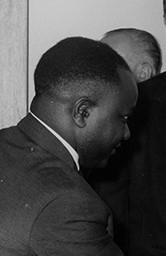
Pierre Ngendandumwe
Pierre Ngendandumwe (1930 – 15 January 1965) was a Burundian politician and statesman who served as the Prime Minister of Burundi in two terms, first from 1963 to 1964 and second for only eight days in January 1965.
An ethnic Hutu, he was a member of the Union for National Progress political party. On 18 June 1963, about a year after Burundi gained independence and amidst efforts to bring about political cooperation between Hutus and the dominant minority Tutsis, Ngendandumwe became Burundi's first Hutu prime minister. He served as prime minister until 6 April 1964 and then became prime minister again on 7 January 1965, serving until his death. Eight days after beginning his second term, he was assassinated by a Rwandan Tutsi refugee.
Pierre Ngendandumwe was born in 1930 in Ngozi Province, Burundi. He came from a prosperous Hutu family. In 1959, he earned a degree in political science from Lovanium University in the Belgian Congo. That year, he bemoaned the domination of Burundi's administration by the Tutsi minority ethnic group.
Following the completion of his education, Ngendandumwe worked in the Belgian colonial administration as an assistant territorial administrator. He supported Prince Louis Rwagasore and was a member of his political party, the Union for National Progress (UPRONA). In July 1961 he was appointed Minister of Finance in the caretaker of government of national union assembled by the Belgian administration. National elections were held and won by UPRONA; Ngendandumwe became the only member of the Legislative Assembly to hold a university degree.
The Legislative Assembly met on 28 September to invest a new government with Rwagasore acting as formateur. In a secret ballot, most deputies expressed their desire for Rwagasore to become the new prime minister, though two indicated their preference for Ngendandumwe. Rwagasore ultimately became prime minister with Ngendandumwe serving as Vice Prime Minister and Minister of Finance. On 13 October Rwagasore was assassinated. André Muhirwa was named Prime Minister to replace him, while Ngendandumwe continued to serve as Vice Prime Minister. Upon the death of Rwagasore, UPRONA developed two factions which became known as the "Casablanca group" and the "Monrovia group". The former was dominated by Tutsis and anti-Western in its ideological orientation. The latter was led by Hutus and leaned either pro-West or was neutral towards it. Ngendandumwe was associated with the Monrovia group.
In December Belgian Foreign Minister Paul-Henri Spaak summoned Rwandan and Burundian representatives to Brussels to discuss the future of their territory. Ngendandumwe led the Burundian delegation. He signed an agreement with Spaak, guaranteeing Burundi internal autonomy in most matters until independence. On 18 January 1962 he and the President of the Legislative Assembly of Ruanda appealed to the United Nations General Assembly to permit the independence of Ruanda-Urundi as two separate states. He served as part of a Burundian delegation sent to the United Nations Headquarters in February to finalise the terms of Burundi's independence. The National Assembly appointed him to the Mwami Mwambutsa IV's Crown Council on 22 May 1963.
Muhirwa's government, facing increasing opposition in the Assembly and from the crown, resigned in early June 1963. The Mwami asked Ngendandumwe to form a new government on 11 June. He became Prime Minister of Burundi on 18 June 1963, the first Hutu to hold the office. Of the 12 ministers in his new government, Ngendandumwe was the only parliamentarian; the other members were largely apolitical technocrats. Upon swearing in he announced a programme for "bread and peace", including an initiative to preserve coffee trees and an appeal to all citizens to provide two days of free labor to the country to bolster the state treasury. From this point onward the Mwami exerted considerable control over Burundian politics and made the cabinet responsible to him instead of Parliament. On 29 July he traveled to Brussels and signed several technical assistance and financial agreements with the Belgian government, including a loan of 65 million Belgian francs for economic development, subsidies for Burundian students at Belgian universities, and grantees of co-operation between Belgian and Burundian civil servants.
In early 1964 Ngendandumwe went on a regional tour, visiting Kenya, Uganda, and Tanganyika to explore the possibility of Burundi joining the East African Common Services Organization and eventually a proposed East African Federation. He also established diplomatic relations with the People's Republic of China, upsetting the Mwami. On 31 March 1964 the Mwami dismissed four controversial cabinet members and asked Ngendandumwe to create a new government. A settlement was not reached and Ngendandumwe resigned on 6 April 1964. He was replaced by Albin Nyamoya. Despite this, he accompanied the Mwami to the United States in May to meet with President Lyndon B. Johnson.
Hub AI
Pierre Ngendandumwe AI simulator
(@Pierre Ngendandumwe_simulator)
Pierre Ngendandumwe
Pierre Ngendandumwe (1930 – 15 January 1965) was a Burundian politician and statesman who served as the Prime Minister of Burundi in two terms, first from 1963 to 1964 and second for only eight days in January 1965.
An ethnic Hutu, he was a member of the Union for National Progress political party. On 18 June 1963, about a year after Burundi gained independence and amidst efforts to bring about political cooperation between Hutus and the dominant minority Tutsis, Ngendandumwe became Burundi's first Hutu prime minister. He served as prime minister until 6 April 1964 and then became prime minister again on 7 January 1965, serving until his death. Eight days after beginning his second term, he was assassinated by a Rwandan Tutsi refugee.
Pierre Ngendandumwe was born in 1930 in Ngozi Province, Burundi. He came from a prosperous Hutu family. In 1959, he earned a degree in political science from Lovanium University in the Belgian Congo. That year, he bemoaned the domination of Burundi's administration by the Tutsi minority ethnic group.
Following the completion of his education, Ngendandumwe worked in the Belgian colonial administration as an assistant territorial administrator. He supported Prince Louis Rwagasore and was a member of his political party, the Union for National Progress (UPRONA). In July 1961 he was appointed Minister of Finance in the caretaker of government of national union assembled by the Belgian administration. National elections were held and won by UPRONA; Ngendandumwe became the only member of the Legislative Assembly to hold a university degree.
The Legislative Assembly met on 28 September to invest a new government with Rwagasore acting as formateur. In a secret ballot, most deputies expressed their desire for Rwagasore to become the new prime minister, though two indicated their preference for Ngendandumwe. Rwagasore ultimately became prime minister with Ngendandumwe serving as Vice Prime Minister and Minister of Finance. On 13 October Rwagasore was assassinated. André Muhirwa was named Prime Minister to replace him, while Ngendandumwe continued to serve as Vice Prime Minister. Upon the death of Rwagasore, UPRONA developed two factions which became known as the "Casablanca group" and the "Monrovia group". The former was dominated by Tutsis and anti-Western in its ideological orientation. The latter was led by Hutus and leaned either pro-West or was neutral towards it. Ngendandumwe was associated with the Monrovia group.
In December Belgian Foreign Minister Paul-Henri Spaak summoned Rwandan and Burundian representatives to Brussels to discuss the future of their territory. Ngendandumwe led the Burundian delegation. He signed an agreement with Spaak, guaranteeing Burundi internal autonomy in most matters until independence. On 18 January 1962 he and the President of the Legislative Assembly of Ruanda appealed to the United Nations General Assembly to permit the independence of Ruanda-Urundi as two separate states. He served as part of a Burundian delegation sent to the United Nations Headquarters in February to finalise the terms of Burundi's independence. The National Assembly appointed him to the Mwami Mwambutsa IV's Crown Council on 22 May 1963.
Muhirwa's government, facing increasing opposition in the Assembly and from the crown, resigned in early June 1963. The Mwami asked Ngendandumwe to form a new government on 11 June. He became Prime Minister of Burundi on 18 June 1963, the first Hutu to hold the office. Of the 12 ministers in his new government, Ngendandumwe was the only parliamentarian; the other members were largely apolitical technocrats. Upon swearing in he announced a programme for "bread and peace", including an initiative to preserve coffee trees and an appeal to all citizens to provide two days of free labor to the country to bolster the state treasury. From this point onward the Mwami exerted considerable control over Burundian politics and made the cabinet responsible to him instead of Parliament. On 29 July he traveled to Brussels and signed several technical assistance and financial agreements with the Belgian government, including a loan of 65 million Belgian francs for economic development, subsidies for Burundian students at Belgian universities, and grantees of co-operation between Belgian and Burundian civil servants.
In early 1964 Ngendandumwe went on a regional tour, visiting Kenya, Uganda, and Tanganyika to explore the possibility of Burundi joining the East African Common Services Organization and eventually a proposed East African Federation. He also established diplomatic relations with the People's Republic of China, upsetting the Mwami. On 31 March 1964 the Mwami dismissed four controversial cabinet members and asked Ngendandumwe to create a new government. A settlement was not reached and Ngendandumwe resigned on 6 April 1964. He was replaced by Albin Nyamoya. Despite this, he accompanied the Mwami to the United States in May to meet with President Lyndon B. Johnson.