



Community hub
Recent from talks
Knowledge base stats:
Talk channels stats:
Members stats:
Pleasant Valley War
The Pleasant Valley War, sometimes called the Tonto Basin Feud, or Tonto Basin War, or Tewksbury-Graham Feud, was a range war fought in Pleasant Valley, Arizona, in the years 1882–1892. The conflict involved two feuding families, the Grahams and the Tewksburys. The Grahams were ranchers, while the Tewksburys, who were part Native American, started their operations as cattle ranchers before branching out to sheep.
Pleasant Valley is located in Gila County, Arizona, but many of the events related to this feud took place in neighboring Apache and Navajo counties. Other neighborhood Arizona parts, such as Holbrook and Globe, were the setting of its bloodiest battles. Although the feud was originally fought between the Tewksburys and the Grahams against the well-established cattleman James Stinson, it soon involved other cattlemen associations, sheepmen, hired guns, cowboys and Arizona lawmen. The feud lasted for about a decade, with its most deadly incidents between 1886 and 1887; the last-known killing took place in 1892.
The Pleasant Valley War had the highest number of fatalities of such range conflicts in United States history, with an estimated total of 35 to 50 deaths, and the near annihilation of the males of the two feuding families. The Pleasant Valley War gave Arizona Territory a reputation for not being ready for statehood, which would not occur until 1912. Years after its end, many books and articles were written about the feud.
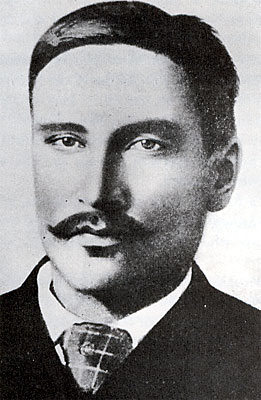
Edwin "Ed" Tewksbury was born in 1858 in San Francisco, California and was the second son of former miner James D. Tewksbury and his Native American wife. The family was composed of sons John, Jim, Ed and Frank and one daughter and owned a great number of horses and cattle as they started out their ranching business. The Grahams were originally from Ireland before migrating to Ohio in 1851 and were composed of Samuel Graham as the head, his wife Jane and their five children Allen, Margaret, Mary, John and Thomas. Jane died in 1861, and Sam married Mary E. Goetzman, with whom he fathered seven children. In 1881, John and Thomas staked claims in Arizona.
The Grahams were new ranchers who came to the lush ranges of Arizona after being invited by Ed Tewksbury. Tom Graham and John D. Tewksbury started out as friends but things changed when a big cattleman named James Stinson came into Pleasant Valley. His large herd quickly started to occupy many areas of grazing land, dominating the ranches built by the two families. Things escalated when Stinson accused members of both families of rustling cattle from his ranch. Accusations soon turned into warrants, and while both families were present in the Tewksbury house, cowboys from Stinson's outfit, Elisha Gilliland (John's cousin) and Epitazio Ruiz, led by John Gilliland, came up to arrest the Tewksburys. Tempers flared, and the Tewksburys refused to be arrested. Gilliland provoked an altercation and fired the first shot, which flew over Ed Tewksbury's head. John Gilliland was on horseback and the horse began to twirl and kick with the first shot. Ed Tewksbury drew his revolver and fired at the same time as Gilliland's second shot, which tore open John Graham's hat. As his horse turned around, Gilliland leaned over and Ed's bullet hit him in the shoulder. John Gilliland was still on horseback but too injured to continue the fight. He yelled at Elisha to run, but the cousin was wounded by Ed Tewksbury.
In 1884, the friendship between the Tewksburys and the Grahams was shattered when Stinson made a deal with the Grahams to pay them each 50 head of cattle, and see that they never served jail time, if they would turn state's evidence against the Tewksburys. The Grahams took the deal and started working for Stinson, betraying the Tewksburys by siding with their accusers. John Graham immediately filed a complaint with District Attorney Charles B. Rush, accusing the Tewksbury family of rebranding over sixty of Stinson's cattle. The Tewksburys were forced to face the charges in Prescott, but the case against them was thrown out of court for lack of evidence after the judge discovered the deal between Stinson and the Grahams. On the Tewksburys' way home from Prescott, the weak Frank contracted pneumonia and died soon after. The family blamed his death on Stinson and his men.
On July 23, 1884, the Tewksbury faction, consisting of John Tewksbury, William Richards, George Blaine and Ed Rose, visited the ranch house of James Stinson in a supposed planning of the upcoming rodeo. They were met by the ranch foremen, Marion McCann, and five other cowhands, and the former asked the Tewksburys to leave except for Rose, whom they knew was neutral in the conflict. The Tewksburys tried to reason with him, which ended in the two groups hurling insults at one another. Things heated up when Blaine called for McCann to come out and face him, before firing a shot at the foreman. The shot went high, and McCann retaliated by drawing his pistol and shooting Blaine in the throat. John Tewksbury also fired at McCann, before himself getting wounded and riding off with the others. Blaine survived his wound, and both groups settled the fighting in court. Afterward, Stinson left Arizona and dissolved his herd. The Grahams found themselves in a tight spot in 1885, after losing a significant number of their herd and subsequently being caught driving cattle that were not theirs.
The feud only got worse when the Tewksburys started bringing in herds of sheep in 1885. The Tewksbury brothers leased some sheep from brothers by the name of Daggs in northern Arizona. Local newspapers such as the Arizona Silver Belt reported that the feud was caused primarily by the Tewksburys' other occupation as sheepmen, which many cattlemen such as Stinson disliked due to the sheep's destructive eating habits in the open ranges. Historian Tim Ehrhardt suggested that this was not the case, contending the feud was primarily caused by the enmity that already existed between the families. Sheep were not brought into the valley until 1885, two years after the feuding between the Tewksbury and Graham factions began. Cattlemen from Gila County were also on the side of the Tewksburys during the war, and they would help Ed in many of his court defenses in the future.
Hub AI
Pleasant Valley War AI simulator
(@Pleasant Valley War_simulator)
Pleasant Valley War
The Pleasant Valley War, sometimes called the Tonto Basin Feud, or Tonto Basin War, or Tewksbury-Graham Feud, was a range war fought in Pleasant Valley, Arizona, in the years 1882–1892. The conflict involved two feuding families, the Grahams and the Tewksburys. The Grahams were ranchers, while the Tewksburys, who were part Native American, started their operations as cattle ranchers before branching out to sheep.
Pleasant Valley is located in Gila County, Arizona, but many of the events related to this feud took place in neighboring Apache and Navajo counties. Other neighborhood Arizona parts, such as Holbrook and Globe, were the setting of its bloodiest battles. Although the feud was originally fought between the Tewksburys and the Grahams against the well-established cattleman James Stinson, it soon involved other cattlemen associations, sheepmen, hired guns, cowboys and Arizona lawmen. The feud lasted for about a decade, with its most deadly incidents between 1886 and 1887; the last-known killing took place in 1892.
The Pleasant Valley War had the highest number of fatalities of such range conflicts in United States history, with an estimated total of 35 to 50 deaths, and the near annihilation of the males of the two feuding families. The Pleasant Valley War gave Arizona Territory a reputation for not being ready for statehood, which would not occur until 1912. Years after its end, many books and articles were written about the feud.
Edwin "Ed" Tewksbury was born in 1858 in San Francisco, California and was the second son of former miner James D. Tewksbury and his Native American wife. The family was composed of sons John, Jim, Ed and Frank and one daughter and owned a great number of horses and cattle as they started out their ranching business. The Grahams were originally from Ireland before migrating to Ohio in 1851 and were composed of Samuel Graham as the head, his wife Jane and their five children Allen, Margaret, Mary, John and Thomas. Jane died in 1861, and Sam married Mary E. Goetzman, with whom he fathered seven children. In 1881, John and Thomas staked claims in Arizona.
The Grahams were new ranchers who came to the lush ranges of Arizona after being invited by Ed Tewksbury. Tom Graham and John D. Tewksbury started out as friends but things changed when a big cattleman named James Stinson came into Pleasant Valley. His large herd quickly started to occupy many areas of grazing land, dominating the ranches built by the two families. Things escalated when Stinson accused members of both families of rustling cattle from his ranch. Accusations soon turned into warrants, and while both families were present in the Tewksbury house, cowboys from Stinson's outfit, Elisha Gilliland (John's cousin) and Epitazio Ruiz, led by John Gilliland, came up to arrest the Tewksburys. Tempers flared, and the Tewksburys refused to be arrested. Gilliland provoked an altercation and fired the first shot, which flew over Ed Tewksbury's head. John Gilliland was on horseback and the horse began to twirl and kick with the first shot. Ed Tewksbury drew his revolver and fired at the same time as Gilliland's second shot, which tore open John Graham's hat. As his horse turned around, Gilliland leaned over and Ed's bullet hit him in the shoulder. John Gilliland was still on horseback but too injured to continue the fight. He yelled at Elisha to run, but the cousin was wounded by Ed Tewksbury.
In 1884, the friendship between the Tewksburys and the Grahams was shattered when Stinson made a deal with the Grahams to pay them each 50 head of cattle, and see that they never served jail time, if they would turn state's evidence against the Tewksburys. The Grahams took the deal and started working for Stinson, betraying the Tewksburys by siding with their accusers. John Graham immediately filed a complaint with District Attorney Charles B. Rush, accusing the Tewksbury family of rebranding over sixty of Stinson's cattle. The Tewksburys were forced to face the charges in Prescott, but the case against them was thrown out of court for lack of evidence after the judge discovered the deal between Stinson and the Grahams. On the Tewksburys' way home from Prescott, the weak Frank contracted pneumonia and died soon after. The family blamed his death on Stinson and his men.
On July 23, 1884, the Tewksbury faction, consisting of John Tewksbury, William Richards, George Blaine and Ed Rose, visited the ranch house of James Stinson in a supposed planning of the upcoming rodeo. They were met by the ranch foremen, Marion McCann, and five other cowhands, and the former asked the Tewksburys to leave except for Rose, whom they knew was neutral in the conflict. The Tewksburys tried to reason with him, which ended in the two groups hurling insults at one another. Things heated up when Blaine called for McCann to come out and face him, before firing a shot at the foreman. The shot went high, and McCann retaliated by drawing his pistol and shooting Blaine in the throat. John Tewksbury also fired at McCann, before himself getting wounded and riding off with the others. Blaine survived his wound, and both groups settled the fighting in court. Afterward, Stinson left Arizona and dissolved his herd. The Grahams found themselves in a tight spot in 1885, after losing a significant number of their herd and subsequently being caught driving cattle that were not theirs.
The feud only got worse when the Tewksburys started bringing in herds of sheep in 1885. The Tewksbury brothers leased some sheep from brothers by the name of Daggs in northern Arizona. Local newspapers such as the Arizona Silver Belt reported that the feud was caused primarily by the Tewksburys' other occupation as sheepmen, which many cattlemen such as Stinson disliked due to the sheep's destructive eating habits in the open ranges. Historian Tim Ehrhardt suggested that this was not the case, contending the feud was primarily caused by the enmity that already existed between the families. Sheep were not brought into the valley until 1885, two years after the feuding between the Tewksbury and Graham factions began. Cattlemen from Gila County were also on the side of the Tewksburys during the war, and they would help Ed in many of his court defenses in the future.