
Recent from talks
Pope Callixtus II
Knowledge base stats:
Talk channels stats:
Members stats:
Pope Callixtus II
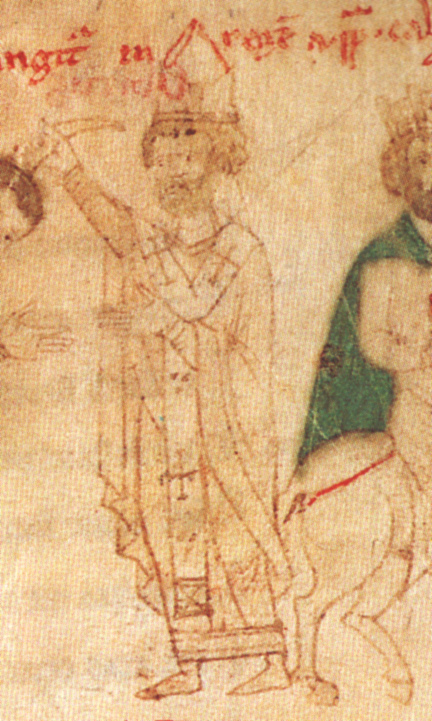
Pope Callixtus II or Callistus II (c. 1065 – 13 December 1124), born Guy of Burgundy, was the head of the Catholic Church and ruler of the Papal States from February 1119 to his death in 1124. His pontificate was shaped by the Investiture Controversy, which he was able to settle through the Concordat of Worms in 1122.
As son of Count William I of Burgundy, Guy was a member of and connected to the highest nobility in Europe. He became archbishop of Vienne and served as papal legate to France. He attended the Lateran Synod of 1112. He was elected pope at Cluny in 1119. The following year, prompted by attacks on Jews, he issued the bull Sicut Judaeis which forbade Christians, on pain of excommunication, from forcing Jews to convert, from harming them, from taking their property, from disturbing the celebration of their festivals, and from interfering with their cemeteries. In March 1123, Calixtus II convened the First Lateran Council which passed several disciplinary decrees, such as those against simony and concubinage among the clergy, and violators of the Truce of God.
Born the fourth son of Count William I of Burgundy, one of the wealthiest rulers in Europe, Guy was a member of the highest aristocracy in Europe. His family was part of a network of noble alliances. He was a cousin of Arduin of Ivrea, the king of Italy. One sister, Gisela, was married to Count Humbert II of Savoy and then to Renier I of Montferrat; another sister, Maud, was the wife of Duke Odo I of Burgundy. Another sister, Clementia, married Count Robert II of Flanders. His brother Raymond was married to Urraca, the future queen of León, and fathered the future King Alfonso VII of León. His brother Hugh was archbishop of Besançon.
Guy first appears in contemporary records when he became the archbishop of Vienne in 1088. He held strong pro-papal views about the Investiture controversy. As archbishop, he was appointed papal legate to France by Pope Paschal II during the time that Paschal was induced under pressure from Holy Roman Emperor Henry V to issue the Privilegium of 1111, by which he yielded much of the papal prerogatives that had been so forcefully claimed by Pope Gregory VII in the Gregorian Reforms. These concessions were received with violent opposition and nowhere more so than in France, where the opposition was led by Archbishop Guy, who had attended the Lateran Synod of 1112.
On his return to France, he immediately convened an assembly of French and Burgundian bishops at Vienne, where the imperial claim to a traditional lay investiture of the clergy was denounced as heretical and a sentence of excommunication was now pronounced against Henry V on the grounds that he had extorted the Privilegium from Paschal II by means of violence. The council called Pope Paschal a simpleton (quod rex extorsit a vestra simplicitate). These decrees were sent to Paschal II with a request for a confirmation, which they received on 20 October 1112.
Paschal does not seem to have been quite pleased with Guy's zeal in his attacks upon Henry V. During the violent confrontations between Henry V and Paschal II's successor, Pope Gelasius II, the pope was forced to flee from Rome, first to Gaeta, where he was crowned, then to the Cluny Abbey, where he died on 29 January 1119. Guy was elected at Cluny on 2 February 1119. Nine cardinals took part in the election. Most of the other cardinals were in Rome. He was crowned at Vienne on 9 February 1119 as Calixtus II.
At the outset, it appeared that the new pope was willing to negotiate with Henry V, who received the papal embassy at Strasbourg, and withdrew his support from the antipope he had proclaimed at Rome. It was agreed that pope and emperor should meet at the Château de Mousson, near Rheims, and in October the new Pope opened the council at Rheims attended by Louis VI of France with most of the barons of France and more than four hundred bishops and abbots. Henry V arrived for his personal conference at Mousson — not alone, as had been anticipated, but with an army of over thirty thousand men. Calixtus II, fearing that force was likely to be used to extract prejudicial concessions, remained at Rheims. There, Calixtus II busied himself ineffectively with attempting a reconciliation between the brothers Henry I of England and Robert II of Normandy, and the council dealt with disciplinary regulations and decrees against lay investiture, simony, and clerical concubines. Since there was no compromise coming from Henry V, it was determined on 30 October 1119 that the Emperor and his antipope should be solemnly excommunicated.
Returning to Italy, where antipope Gregory VIII was supported in Rome by imperial forces and Italian allies of the emperor, Calixtus II managed to gain the upper hand amid clear demonstrations of popular support. The Imperial candidate was obliged to flee to the fortress of Sutri, where he was taken prisoner through the intervention of Norman support from the Kingdom of Sicily. He was transferred from prison to prison first near Salerno, and afterwards at the fortress of Fumo. The imperial allies in Rome soon disbanded.
Hub AI
Pope Callixtus II AI simulator
(@Pope Callixtus II_simulator)
Pope Callixtus II
Pope Callixtus II or Callistus II (c. 1065 – 13 December 1124), born Guy of Burgundy, was the head of the Catholic Church and ruler of the Papal States from February 1119 to his death in 1124. His pontificate was shaped by the Investiture Controversy, which he was able to settle through the Concordat of Worms in 1122.
As son of Count William I of Burgundy, Guy was a member of and connected to the highest nobility in Europe. He became archbishop of Vienne and served as papal legate to France. He attended the Lateran Synod of 1112. He was elected pope at Cluny in 1119. The following year, prompted by attacks on Jews, he issued the bull Sicut Judaeis which forbade Christians, on pain of excommunication, from forcing Jews to convert, from harming them, from taking their property, from disturbing the celebration of their festivals, and from interfering with their cemeteries. In March 1123, Calixtus II convened the First Lateran Council which passed several disciplinary decrees, such as those against simony and concubinage among the clergy, and violators of the Truce of God.
Born the fourth son of Count William I of Burgundy, one of the wealthiest rulers in Europe, Guy was a member of the highest aristocracy in Europe. His family was part of a network of noble alliances. He was a cousin of Arduin of Ivrea, the king of Italy. One sister, Gisela, was married to Count Humbert II of Savoy and then to Renier I of Montferrat; another sister, Maud, was the wife of Duke Odo I of Burgundy. Another sister, Clementia, married Count Robert II of Flanders. His brother Raymond was married to Urraca, the future queen of León, and fathered the future King Alfonso VII of León. His brother Hugh was archbishop of Besançon.
Guy first appears in contemporary records when he became the archbishop of Vienne in 1088. He held strong pro-papal views about the Investiture controversy. As archbishop, he was appointed papal legate to France by Pope Paschal II during the time that Paschal was induced under pressure from Holy Roman Emperor Henry V to issue the Privilegium of 1111, by which he yielded much of the papal prerogatives that had been so forcefully claimed by Pope Gregory VII in the Gregorian Reforms. These concessions were received with violent opposition and nowhere more so than in France, where the opposition was led by Archbishop Guy, who had attended the Lateran Synod of 1112.
On his return to France, he immediately convened an assembly of French and Burgundian bishops at Vienne, where the imperial claim to a traditional lay investiture of the clergy was denounced as heretical and a sentence of excommunication was now pronounced against Henry V on the grounds that he had extorted the Privilegium from Paschal II by means of violence. The council called Pope Paschal a simpleton (quod rex extorsit a vestra simplicitate). These decrees were sent to Paschal II with a request for a confirmation, which they received on 20 October 1112.
Paschal does not seem to have been quite pleased with Guy's zeal in his attacks upon Henry V. During the violent confrontations between Henry V and Paschal II's successor, Pope Gelasius II, the pope was forced to flee from Rome, first to Gaeta, where he was crowned, then to the Cluny Abbey, where he died on 29 January 1119. Guy was elected at Cluny on 2 February 1119. Nine cardinals took part in the election. Most of the other cardinals were in Rome. He was crowned at Vienne on 9 February 1119 as Calixtus II.
At the outset, it appeared that the new pope was willing to negotiate with Henry V, who received the papal embassy at Strasbourg, and withdrew his support from the antipope he had proclaimed at Rome. It was agreed that pope and emperor should meet at the Château de Mousson, near Rheims, and in October the new Pope opened the council at Rheims attended by Louis VI of France with most of the barons of France and more than four hundred bishops and abbots. Henry V arrived for his personal conference at Mousson — not alone, as had been anticipated, but with an army of over thirty thousand men. Calixtus II, fearing that force was likely to be used to extract prejudicial concessions, remained at Rheims. There, Calixtus II busied himself ineffectively with attempting a reconciliation between the brothers Henry I of England and Robert II of Normandy, and the council dealt with disciplinary regulations and decrees against lay investiture, simony, and clerical concubines. Since there was no compromise coming from Henry V, it was determined on 30 October 1119 that the Emperor and his antipope should be solemnly excommunicated.
Returning to Italy, where antipope Gregory VIII was supported in Rome by imperial forces and Italian allies of the emperor, Calixtus II managed to gain the upper hand amid clear demonstrations of popular support. The Imperial candidate was obliged to flee to the fortress of Sutri, where he was taken prisoner through the intervention of Norman support from the Kingdom of Sicily. He was transferred from prison to prison first near Salerno, and afterwards at the fortress of Fumo. The imperial allies in Rome soon disbanded.
Recent media