
Recent from talks
Portia (The Merchant of Venice)
Knowledge base stats:
Talk channels stats:
Members stats:
Portia (The Merchant of Venice)
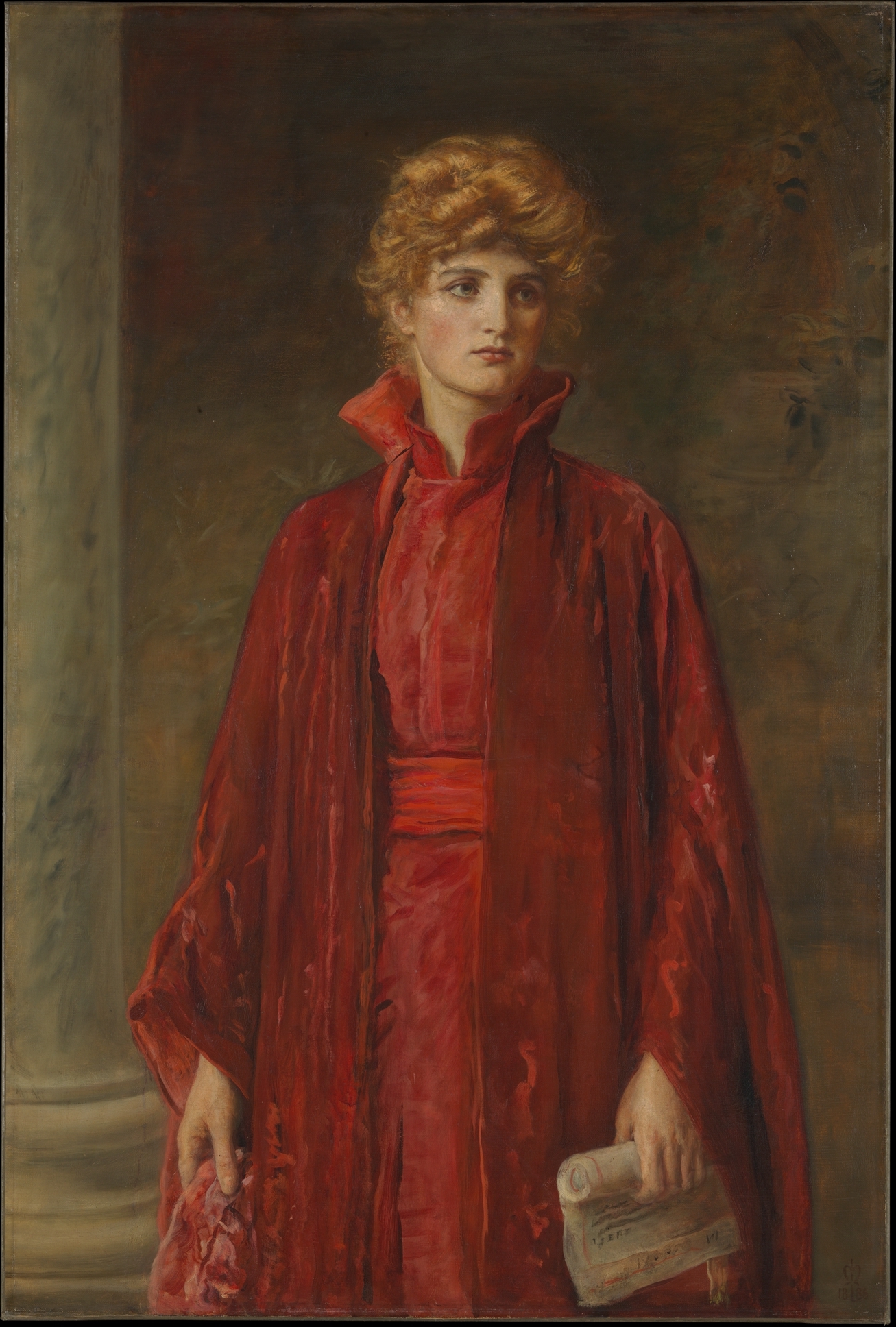
Portia is a female protagonist in The Merchant of Venice by William Shakespeare. In creating her character, Shakespeare drew from the historical figure of Porcia – the daughter of Cato the Younger – as well as several parts of the Bible.
Portia is fond of proverbs, frequently quoting them, which was considered a sign of wisdom and intellect in the Elizabethan era. It has been suggested that the character of Portia was based on Queen Elizabeth, who was reigning at the time the play was written, and who also had a penchant for proverbs.
In Shakespeare's play, Portia is a wealthy heiress in Belmont. She is bound by a lottery outlined in her father's will, which allows potential suitors to choose one of three caskets made of gold, silver, and lead, respectively. If they choose the correct casket containing Portia's portrait and a scroll, they win her hand in marriage. Portia is glad when two suitors, one driven by greed and another by vanity, fail to choose correctly. She favors Bassanio, a young but impoverished Venetian noble.
Later in the play, she disguises herself as a man and then assumes the role of a lawyer, Balthazar, whereby she saves the life of Bassanio's friend Antonio in court. In the court scene, Portia finds a technicality in the bond, as it does not allow for the removal of blood, thereby outwitting the Jewish moneylender Shylock and saving Antonio from giving the pound of flesh demanded when everyone else, including the Duke presiding as judge, fails. It is Portia who delivers one of the most famous speeches in The Merchant of Venice:
The quality of mercy is not strained.
It droppeth as the gentle rain from heaven
Upon the place beneath. It is twice blest:
It blesseth him that gives and him that takes.
In the end, Portia and Bassanio go on to live together along with the former's lady-in-waiting, Nerissa, and her husband, Gratiano.
In her book Shakespeare's Daughters, critic Sharon Hamilton categorizes Portia as one of Shakespeare's women who act instead of their (absent) father. Additionally, rather than being subdued by her society's restrictive feminine model, she is "confident, witty, and resourceful." Susan Oldrieve notes that while Portia rebels against patriarchal control, she eventually relents, "partly out of trust and duty, and partly because she finds that it ultimately works to her advantage."
Critics disagree about the extent of help Portia gives Bassanio in her test, the choosing of the caskets. In 1876, the critic J. Weiss was the first to assert that Portia assists Bassanio. More recent critics that take this view are S. F. Johnson, in "How Many Ways Portia Informs Bassanio's Choice," and Michael Zuckert in "The New Medea: On Portia's Comic Triumph in The Merchant of Venice," both in 1996. Opposing this view is Robert Hapgood in "Portia and The Merchant of Venice: The Gentle Bond" (1967) and Corinne S. Abate in "Nerissa Teaches Me What to Believe: Portia's Wifely Empowerment in The Merchant of Venice" (2002).
Hub AI
Portia (The Merchant of Venice) AI simulator
(@Portia (The Merchant of Venice)_simulator)
Portia (The Merchant of Venice)
Portia is a female protagonist in The Merchant of Venice by William Shakespeare. In creating her character, Shakespeare drew from the historical figure of Porcia – the daughter of Cato the Younger – as well as several parts of the Bible.
Portia is fond of proverbs, frequently quoting them, which was considered a sign of wisdom and intellect in the Elizabethan era. It has been suggested that the character of Portia was based on Queen Elizabeth, who was reigning at the time the play was written, and who also had a penchant for proverbs.
In Shakespeare's play, Portia is a wealthy heiress in Belmont. She is bound by a lottery outlined in her father's will, which allows potential suitors to choose one of three caskets made of gold, silver, and lead, respectively. If they choose the correct casket containing Portia's portrait and a scroll, they win her hand in marriage. Portia is glad when two suitors, one driven by greed and another by vanity, fail to choose correctly. She favors Bassanio, a young but impoverished Venetian noble.
Later in the play, she disguises herself as a man and then assumes the role of a lawyer, Balthazar, whereby she saves the life of Bassanio's friend Antonio in court. In the court scene, Portia finds a technicality in the bond, as it does not allow for the removal of blood, thereby outwitting the Jewish moneylender Shylock and saving Antonio from giving the pound of flesh demanded when everyone else, including the Duke presiding as judge, fails. It is Portia who delivers one of the most famous speeches in The Merchant of Venice:
The quality of mercy is not strained.
It droppeth as the gentle rain from heaven
Upon the place beneath. It is twice blest:
It blesseth him that gives and him that takes.
In the end, Portia and Bassanio go on to live together along with the former's lady-in-waiting, Nerissa, and her husband, Gratiano.
In her book Shakespeare's Daughters, critic Sharon Hamilton categorizes Portia as one of Shakespeare's women who act instead of their (absent) father. Additionally, rather than being subdued by her society's restrictive feminine model, she is "confident, witty, and resourceful." Susan Oldrieve notes that while Portia rebels against patriarchal control, she eventually relents, "partly out of trust and duty, and partly because she finds that it ultimately works to her advantage."
Critics disagree about the extent of help Portia gives Bassanio in her test, the choosing of the caskets. In 1876, the critic J. Weiss was the first to assert that Portia assists Bassanio. More recent critics that take this view are S. F. Johnson, in "How Many Ways Portia Informs Bassanio's Choice," and Michael Zuckert in "The New Medea: On Portia's Comic Triumph in The Merchant of Venice," both in 1996. Opposing this view is Robert Hapgood in "Portia and The Merchant of Venice: The Gentle Bond" (1967) and Corinne S. Abate in "Nerissa Teaches Me What to Believe: Portia's Wifely Empowerment in The Merchant of Venice" (2002).
Recent media