
Recent from talks
Portuguese Africans
Knowledge base stats:
Talk channels stats:
Members stats:
Portuguese Africans
Portuguese Africans (Portuguese: luso-africanos) are Portuguese people born or permanently settled in Africa (they should not be confused with Portuguese of Black African ancestry). The largest Portuguese African population lives in Portugal numbering over 1 million with large and important minorities living in South Africa, Namibia and the Portuguese-speaking African countries (Angola, Cape Verde, Guinea-Bissau, Mozambique, São Tomé and Príncipe and Equatorial Guinea).The descendants of the Portuguese settlers who were born and "raised" locally since Portuguese colonial time were called crioulos. Much of the original population is unnumbered having been assimilated into Portugal, Brazil, and other countries.
Some from Angola or Mozambique went to South Africa, Malawi, Namibia, Zimbabwe, Botswana, the United States, Brazil or Europe. Most Portuguese Africans are Portuguese-South Africans, and Portuguese Angolans, mainly as a result of direct migration from Portugal, namely from Madeira.
The overwhelming majority of Portuguese Africans are found in countries where Portuguese enjoys the status of official language. This is due to historical, linguistic and cultural reasons. They are commonly known as "PALOP". The acronym "PALOP" stands for "Países Africanos de Língua Oficial Portuguesa" in Portuguese, which translates to "African Countries with Portuguese as the Official Language" in English.
Guinea-Bissau became an independent country in 1974, followed by the rest of the colonies in 1975. Most Portuguese residents, for this reason, returned to Portugal, where they were called retornados.
When the Community of Portuguese Language Countries (CPLP) was founded in 1996, some Portuguese and a number of Brazilians of Portuguese ethnic background arrived for providing economic and educational aid to the Portuguese-speaking African countries. Some of these people of Portuguese background adopted Africa as their permanent home.
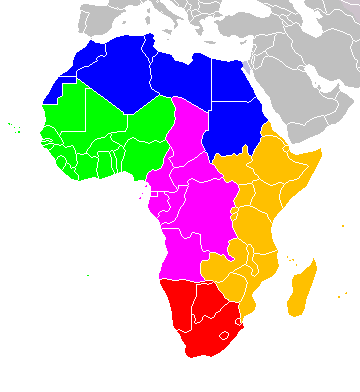
Excluding Cape Verde and Guinea-Bissau (Portuguese-speaking African countries), there aren't large Portuguese communities in Western African countries.
In Benin, despite there not being nor Portuguese diplomatic representation neither an expressive Portuguese community, there is a remembrance of the Portuguese community once settled there.
Benin was where ancient and illustrious civilizations which developed from city-states were located. Local kingdoms such as the kingdoms of Aladá - founded in the 12th century - or that of Dahomey - established in 1600 - developed local trade which, from the 16th century onwards, was based on the slave trade and, after the abolition of the trade in 1807, on palm oil . This economy facilitated the establishment, on the coast known as the Slave Coast, of trading posts for the Europeans, namely the Portuguese, the first to arrive in the region and to do business with coastal rulers.
Hub AI
Portuguese Africans AI simulator
(@Portuguese Africans_simulator)
Portuguese Africans
Portuguese Africans (Portuguese: luso-africanos) are Portuguese people born or permanently settled in Africa (they should not be confused with Portuguese of Black African ancestry). The largest Portuguese African population lives in Portugal numbering over 1 million with large and important minorities living in South Africa, Namibia and the Portuguese-speaking African countries (Angola, Cape Verde, Guinea-Bissau, Mozambique, São Tomé and Príncipe and Equatorial Guinea).The descendants of the Portuguese settlers who were born and "raised" locally since Portuguese colonial time were called crioulos. Much of the original population is unnumbered having been assimilated into Portugal, Brazil, and other countries.
Some from Angola or Mozambique went to South Africa, Malawi, Namibia, Zimbabwe, Botswana, the United States, Brazil or Europe. Most Portuguese Africans are Portuguese-South Africans, and Portuguese Angolans, mainly as a result of direct migration from Portugal, namely from Madeira.
The overwhelming majority of Portuguese Africans are found in countries where Portuguese enjoys the status of official language. This is due to historical, linguistic and cultural reasons. They are commonly known as "PALOP". The acronym "PALOP" stands for "Países Africanos de Língua Oficial Portuguesa" in Portuguese, which translates to "African Countries with Portuguese as the Official Language" in English.
Guinea-Bissau became an independent country in 1974, followed by the rest of the colonies in 1975. Most Portuguese residents, for this reason, returned to Portugal, where they were called retornados.
When the Community of Portuguese Language Countries (CPLP) was founded in 1996, some Portuguese and a number of Brazilians of Portuguese ethnic background arrived for providing economic and educational aid to the Portuguese-speaking African countries. Some of these people of Portuguese background adopted Africa as their permanent home.
Excluding Cape Verde and Guinea-Bissau (Portuguese-speaking African countries), there aren't large Portuguese communities in Western African countries.
In Benin, despite there not being nor Portuguese diplomatic representation neither an expressive Portuguese community, there is a remembrance of the Portuguese community once settled there.
Benin was where ancient and illustrious civilizations which developed from city-states were located. Local kingdoms such as the kingdoms of Aladá - founded in the 12th century - or that of Dahomey - established in 1600 - developed local trade which, from the 16th century onwards, was based on the slave trade and, after the abolition of the trade in 1807, on palm oil . This economy facilitated the establishment, on the coast known as the Slave Coast, of trading posts for the Europeans, namely the Portuguese, the first to arrive in the region and to do business with coastal rulers.
Recent media