


Community hub
Recent from talks
Contribute something to knowledge base
Content stats: 0 posts, 0 articles, 1 media, 0 notes
Members stats: 0 subscribers, 0 contributors, 0 moderators, 0 supporters
Subscribers
Supporters
Contributors
Moderators
Hub AI
Preventive healthcare AI simulator
(@Preventive healthcare_simulator)
Hub AI
Preventive healthcare AI simulator
(@Preventive healthcare_simulator)
Preventive healthcare
Preventive healthcare, or prophylaxis, is the application of healthcare measures to prevent diseases. Disease and disability are affected by environmental factors, genetic predisposition, disease agents, and lifestyle choices, and are dynamic processes that begin before individuals realize they are affected. Disease prevention relies on anticipatory actions that can be categorized as primal, primary, secondary, and tertiary prevention.
Each year, millions of people die of preventable causes. A 2004 study showed that about half of all deaths in the United States in 2000 were due to preventable behaviors and exposures. Leading causes included cardiovascular disease, chronic respiratory disease, unintentional injuries, diabetes, and certain infectious diseases. This same study estimates that 400,000 people die each year in the United States due to poor diet and a sedentary lifestyle. According to estimates made by the World Health Organization (WHO), about 55 million people died worldwide in 2011, and two-thirds of these died from non-communicable diseases, including cancer, diabetes, and chronic cardiovascular and lung diseases. This is an increase from the year 2000, during which 60% of deaths were attributed to these diseases.)
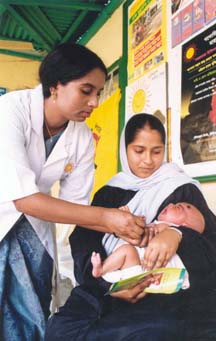
Preventive healthcare is especially important given the worldwide rise in the prevalence of chronic diseases and deaths from these diseases. There are many methods for prevention of disease. One of them is prevention of teenage smoking through information giving. It is recommended that adults and children aim to visit their doctor for regular check-ups, even if they feel healthy, to perform disease screening, identify risk factors for disease, discuss tips for a healthy and balanced lifestyle, stay up to date with immunizations and boosters, and maintain a good relationship with a healthcare provider. In pediatrics, some common examples of primary prevention are encouraging parents to turn down the temperature of their home water heater in order to avoid scalding burns, encouraging children to wear bicycle helmets, and suggesting that people use the air quality index (AQI) to check the level of pollution in the outside air before engaging in sporting activities.
Some common disease screenings include checking for hypertension (high blood pressure), hyperglycemia (high blood sugar, a risk factor for diabetes mellitus), hypercholesterolemia (high blood cholesterol), screening for colon cancer, depression, HIV and other common types of sexually transmitted disease such as chlamydia, syphilis, and gonorrhea, mammography (to screen for breast cancer), colorectal cancer screening, a Pap test (to check for cervical cancer), and screening for osteoporosis. Genetic testing can also be performed to screen for mutations that cause genetic disorders or predisposition to certain diseases such as breast or ovarian cancer. However, these measures are not affordable for every individual and the cost effectiveness of preventive healthcare is still a topic of debate.
Preventive healthcare strategies are described as taking place at the primal, primary, secondary, and tertiary prevention levels. Although advocated as preventive medicine in the early twentieth century by Sara Josephine Baker, in the 1940s, Hugh R. Leavell and E. Gurney Clark coined the term primary prevention. They worked at the Harvard and Columbia University Schools of Public Health, respectively, and later expanded the levels to include secondary and tertiary prevention. Goldston (1987) notes that these levels might be better described as "prevention, treatment, and rehabilitation", although the terms primary, secondary, and tertiary prevention are still in use today. The concept of primal prevention has been created much more recently, in relation to the new developments in molecular biology over the last fifty years, more particularly in epigenetics, which point to the paramount importance of environmental conditions, both physical and affective, on the organism during its fetal and newborn life, or so-called primal period of life.
Primal prevention is health promotion par excellence. New knowledge in molecular biology, in particular epigenetics, points to how much affective as well as physical environment during fetal and newborn life may determine adult health. This way of promoting health consists mainly in providing future parents with pertinent, unbiased information on primal health and supporting them during their child's primal period of life (i.e., "from conception to first anniversary" according to definition by the Primal Health Research Centre, London). This includes adequate parental leave, ideally for both parents, with kin caregiving and financial help where needed.
Primordial prevention refers to all measures designed to prevent the development of risk factors in the first place, early in life, and even preconception, as Ruth A. Etzel has described it "all population-level actions and measures that inhibit the emergence and establishment of adverse environmental, economic, and social conditions". This could be reducing air pollution or prohibiting endocrine-disrupting chemicals in food-handling equipment and food contact materials.
Primary prevention consists of traditional health promotion and "specific protection". Health promotion activities include prevention strategies such as health education and lifestyle medicine, and are current, non-clinical life choices such as eating nutritious meals and exercising often, that prevent lifestyle-related medical conditions, improve the quality of life, and create a sense of overall well-being. Preventing disease and creating overall well-being prolongs life expectancy. Health-promotional activities do not target a specific disease or condition but rather promote health and well-being on a very general level. On the other hand, specific protection targets a type or group of diseases and complements the goals of health promotion.
Preventive healthcare
Preventive healthcare, or prophylaxis, is the application of healthcare measures to prevent diseases. Disease and disability are affected by environmental factors, genetic predisposition, disease agents, and lifestyle choices, and are dynamic processes that begin before individuals realize they are affected. Disease prevention relies on anticipatory actions that can be categorized as primal, primary, secondary, and tertiary prevention.
Each year, millions of people die of preventable causes. A 2004 study showed that about half of all deaths in the United States in 2000 were due to preventable behaviors and exposures. Leading causes included cardiovascular disease, chronic respiratory disease, unintentional injuries, diabetes, and certain infectious diseases. This same study estimates that 400,000 people die each year in the United States due to poor diet and a sedentary lifestyle. According to estimates made by the World Health Organization (WHO), about 55 million people died worldwide in 2011, and two-thirds of these died from non-communicable diseases, including cancer, diabetes, and chronic cardiovascular and lung diseases. This is an increase from the year 2000, during which 60% of deaths were attributed to these diseases.)
Preventive healthcare is especially important given the worldwide rise in the prevalence of chronic diseases and deaths from these diseases. There are many methods for prevention of disease. One of them is prevention of teenage smoking through information giving. It is recommended that adults and children aim to visit their doctor for regular check-ups, even if they feel healthy, to perform disease screening, identify risk factors for disease, discuss tips for a healthy and balanced lifestyle, stay up to date with immunizations and boosters, and maintain a good relationship with a healthcare provider. In pediatrics, some common examples of primary prevention are encouraging parents to turn down the temperature of their home water heater in order to avoid scalding burns, encouraging children to wear bicycle helmets, and suggesting that people use the air quality index (AQI) to check the level of pollution in the outside air before engaging in sporting activities.
Some common disease screenings include checking for hypertension (high blood pressure), hyperglycemia (high blood sugar, a risk factor for diabetes mellitus), hypercholesterolemia (high blood cholesterol), screening for colon cancer, depression, HIV and other common types of sexually transmitted disease such as chlamydia, syphilis, and gonorrhea, mammography (to screen for breast cancer), colorectal cancer screening, a Pap test (to check for cervical cancer), and screening for osteoporosis. Genetic testing can also be performed to screen for mutations that cause genetic disorders or predisposition to certain diseases such as breast or ovarian cancer. However, these measures are not affordable for every individual and the cost effectiveness of preventive healthcare is still a topic of debate.
Preventive healthcare strategies are described as taking place at the primal, primary, secondary, and tertiary prevention levels. Although advocated as preventive medicine in the early twentieth century by Sara Josephine Baker, in the 1940s, Hugh R. Leavell and E. Gurney Clark coined the term primary prevention. They worked at the Harvard and Columbia University Schools of Public Health, respectively, and later expanded the levels to include secondary and tertiary prevention. Goldston (1987) notes that these levels might be better described as "prevention, treatment, and rehabilitation", although the terms primary, secondary, and tertiary prevention are still in use today. The concept of primal prevention has been created much more recently, in relation to the new developments in molecular biology over the last fifty years, more particularly in epigenetics, which point to the paramount importance of environmental conditions, both physical and affective, on the organism during its fetal and newborn life, or so-called primal period of life.
Primal prevention is health promotion par excellence. New knowledge in molecular biology, in particular epigenetics, points to how much affective as well as physical environment during fetal and newborn life may determine adult health. This way of promoting health consists mainly in providing future parents with pertinent, unbiased information on primal health and supporting them during their child's primal period of life (i.e., "from conception to first anniversary" according to definition by the Primal Health Research Centre, London). This includes adequate parental leave, ideally for both parents, with kin caregiving and financial help where needed.
Primordial prevention refers to all measures designed to prevent the development of risk factors in the first place, early in life, and even preconception, as Ruth A. Etzel has described it "all population-level actions and measures that inhibit the emergence and establishment of adverse environmental, economic, and social conditions". This could be reducing air pollution or prohibiting endocrine-disrupting chemicals in food-handling equipment and food contact materials.
Primary prevention consists of traditional health promotion and "specific protection". Health promotion activities include prevention strategies such as health education and lifestyle medicine, and are current, non-clinical life choices such as eating nutritious meals and exercising often, that prevent lifestyle-related medical conditions, improve the quality of life, and create a sense of overall well-being. Preventing disease and creating overall well-being prolongs life expectancy. Health-promotional activities do not target a specific disease or condition but rather promote health and well-being on a very general level. On the other hand, specific protection targets a type or group of diseases and complements the goals of health promotion.
Recent media
Recent media