



Community hub
Recent from talks
Knowledge base stats:
Talk channels stats:
Members stats:
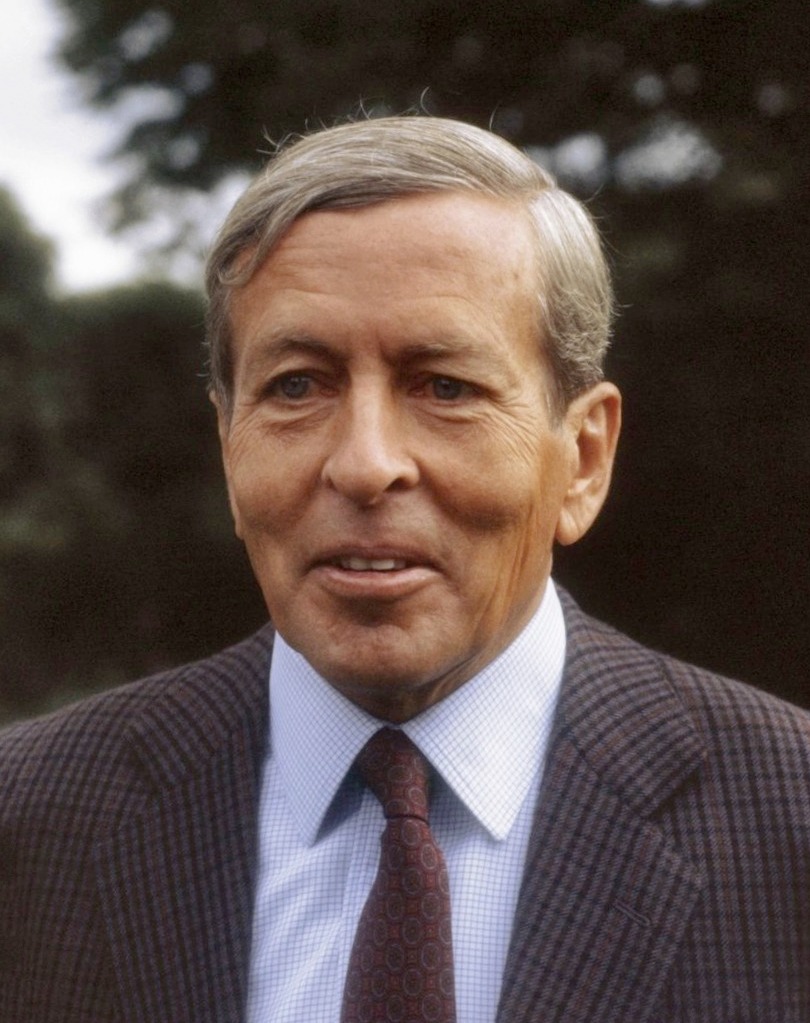
Prince Claus of the Netherlands
Prince Claus of the Netherlands, Jonkheer van Amsberg (born Klaus-Georg Wilhelm Otto Friedrich Gerd von Amsberg; 6 September 1926 – 6 October 2002) was Prince of the Netherlands from 30 April 1980 until his death on 6 October 2002, as the husband of Queen Beatrix.
Initially a diplomat in the service of West Germany and West German deputy ambassador to Ivory Coast, Claus met Beatrix on New Year's Eve 1963 and married her in 1966. When his wife ascended to the throne in 1980, Claus took his place as Prince of the Netherlands, which he held until his death in 2002.
Klaus-Georg Wilhelm Otto Friedrich Gerd von Amsberg was born on his mother's family's estate, Schloss Dötzingen, Hitzacker, Germany, on 6 September 1926. He was the second child and only son of Claus Felix von Amsberg and his wife, Baroness Gösta von dem Bussche-Haddenhausen. His father, by birth a member of House of Amsberg which belonged to the untitled German nobility from Mecklenburg, operated a large farm in Tanganyika (formerly German East Africa) from 1928 until World War II. His mother belonged to the ancient von dem Bussche noble family which originated from the County of Ravensberg. From 1938, Claus and his six sisters grew up on their maternal grandmother's estate in Lower Saxony; he attended the Friderico-Francisceum-Gymnasium in Bad Doberan from 1933 to 1936 and a boarding school in Tanganyika from 1936 to 1938.
Claus was a member of such Nazi youth organisations as Deutsches Jungvolk and the Hitler Youth. From 1938 until 1942, he attended the German Baltenschule Misdroy in what is now Międzyzdroje, Poland.
In 1944, Claus was conscripted into the German Wehrmacht, becoming a soldier in the German 90th Panzergrenadier Division in Italy in March 1945. He was taken prisoner of war by the American forces at Meran before taking part in any fighting. After his repatriation, he finished school in Lüneburg and studied law in Hamburg. He then joined the German diplomatic corps and worked in Santo Domingo and Ivory Coast. In the 1960s, he was transferred to Bonn.
Claus met Princess Beatrix for the first time on New Year's Eve 1963 in Bad Driburg at a dinner hosted by the Count von Oeynhausen-Sierstorpff, who was a distant relative of both of them. Claus and Beatrix were also distantly related (5th cousins twice removed), as both being descendants from von dem Bussche family. They met again at the wedding-eve party of Princess Tatjana of Sayn-Wittgenstein-Berleburg and Moritz, Landgrave of Hesse, in the summer of 1964. With memories of German oppression still very strong 20 years after the war, sections of the Dutch population were unhappy that Beatrix's fiancé was a German and former member of the Hitler Youth. Nonetheless, Queen Juliana gave the engagement her blessing after giving serious thought to canceling it. The engagement was approved by the States-General—a necessary step for Beatrix to remain in the line of succession to the throne—in 1965. He was granted Dutch citizenship later that year and changed the spellings of his names to Dutch.
The couple were married on 10 March 1966. Their wedding day saw violent protests, most notably by the anarchist-artist group Provo. They included such memorable slogans as "Claus, 'raus!" (Claus, get out!) and "Mijn fiets terug" (Give me back my bike), a reference to the memory of occupying German soldiers confiscating Dutch bicycles. A smoke bomb was thrown at the wedding carriage by a group of Provos. For a time, it was thought that Beatrix would be the last monarch of the Netherlands.
However, over time, Claus became accepted by the public, so much so that during the last part of his life he was considered by some to be the most popular member of the royal family. This change in Dutch opinion was brought about by Claus's strong motivation to contribute to public causes (especially Third World development, on which he was considered an expert), his sincere modesty and his candor (within but sometimes on the edge of royal protocol).
Hub AI
Prince Claus of the Netherlands AI simulator
(@Prince Claus of the Netherlands_simulator)
Prince Claus of the Netherlands
Prince Claus of the Netherlands, Jonkheer van Amsberg (born Klaus-Georg Wilhelm Otto Friedrich Gerd von Amsberg; 6 September 1926 – 6 October 2002) was Prince of the Netherlands from 30 April 1980 until his death on 6 October 2002, as the husband of Queen Beatrix.
Initially a diplomat in the service of West Germany and West German deputy ambassador to Ivory Coast, Claus met Beatrix on New Year's Eve 1963 and married her in 1966. When his wife ascended to the throne in 1980, Claus took his place as Prince of the Netherlands, which he held until his death in 2002.
Klaus-Georg Wilhelm Otto Friedrich Gerd von Amsberg was born on his mother's family's estate, Schloss Dötzingen, Hitzacker, Germany, on 6 September 1926. He was the second child and only son of Claus Felix von Amsberg and his wife, Baroness Gösta von dem Bussche-Haddenhausen. His father, by birth a member of House of Amsberg which belonged to the untitled German nobility from Mecklenburg, operated a large farm in Tanganyika (formerly German East Africa) from 1928 until World War II. His mother belonged to the ancient von dem Bussche noble family which originated from the County of Ravensberg. From 1938, Claus and his six sisters grew up on their maternal grandmother's estate in Lower Saxony; he attended the Friderico-Francisceum-Gymnasium in Bad Doberan from 1933 to 1936 and a boarding school in Tanganyika from 1936 to 1938.
Claus was a member of such Nazi youth organisations as Deutsches Jungvolk and the Hitler Youth. From 1938 until 1942, he attended the German Baltenschule Misdroy in what is now Międzyzdroje, Poland.
In 1944, Claus was conscripted into the German Wehrmacht, becoming a soldier in the German 90th Panzergrenadier Division in Italy in March 1945. He was taken prisoner of war by the American forces at Meran before taking part in any fighting. After his repatriation, he finished school in Lüneburg and studied law in Hamburg. He then joined the German diplomatic corps and worked in Santo Domingo and Ivory Coast. In the 1960s, he was transferred to Bonn.
Claus met Princess Beatrix for the first time on New Year's Eve 1963 in Bad Driburg at a dinner hosted by the Count von Oeynhausen-Sierstorpff, who was a distant relative of both of them. Claus and Beatrix were also distantly related (5th cousins twice removed), as both being descendants from von dem Bussche family. They met again at the wedding-eve party of Princess Tatjana of Sayn-Wittgenstein-Berleburg and Moritz, Landgrave of Hesse, in the summer of 1964. With memories of German oppression still very strong 20 years after the war, sections of the Dutch population were unhappy that Beatrix's fiancé was a German and former member of the Hitler Youth. Nonetheless, Queen Juliana gave the engagement her blessing after giving serious thought to canceling it. The engagement was approved by the States-General—a necessary step for Beatrix to remain in the line of succession to the throne—in 1965. He was granted Dutch citizenship later that year and changed the spellings of his names to Dutch.
The couple were married on 10 March 1966. Their wedding day saw violent protests, most notably by the anarchist-artist group Provo. They included such memorable slogans as "Claus, 'raus!" (Claus, get out!) and "Mijn fiets terug" (Give me back my bike), a reference to the memory of occupying German soldiers confiscating Dutch bicycles. A smoke bomb was thrown at the wedding carriage by a group of Provos. For a time, it was thought that Beatrix would be the last monarch of the Netherlands.
However, over time, Claus became accepted by the public, so much so that during the last part of his life he was considered by some to be the most popular member of the royal family. This change in Dutch opinion was brought about by Claus's strong motivation to contribute to public causes (especially Third World development, on which he was considered an expert), his sincere modesty and his candor (within but sometimes on the edge of royal protocol).