



Community hub
Recent from talks
Knowledge base stats:
Talk channels stats:
Members stats:
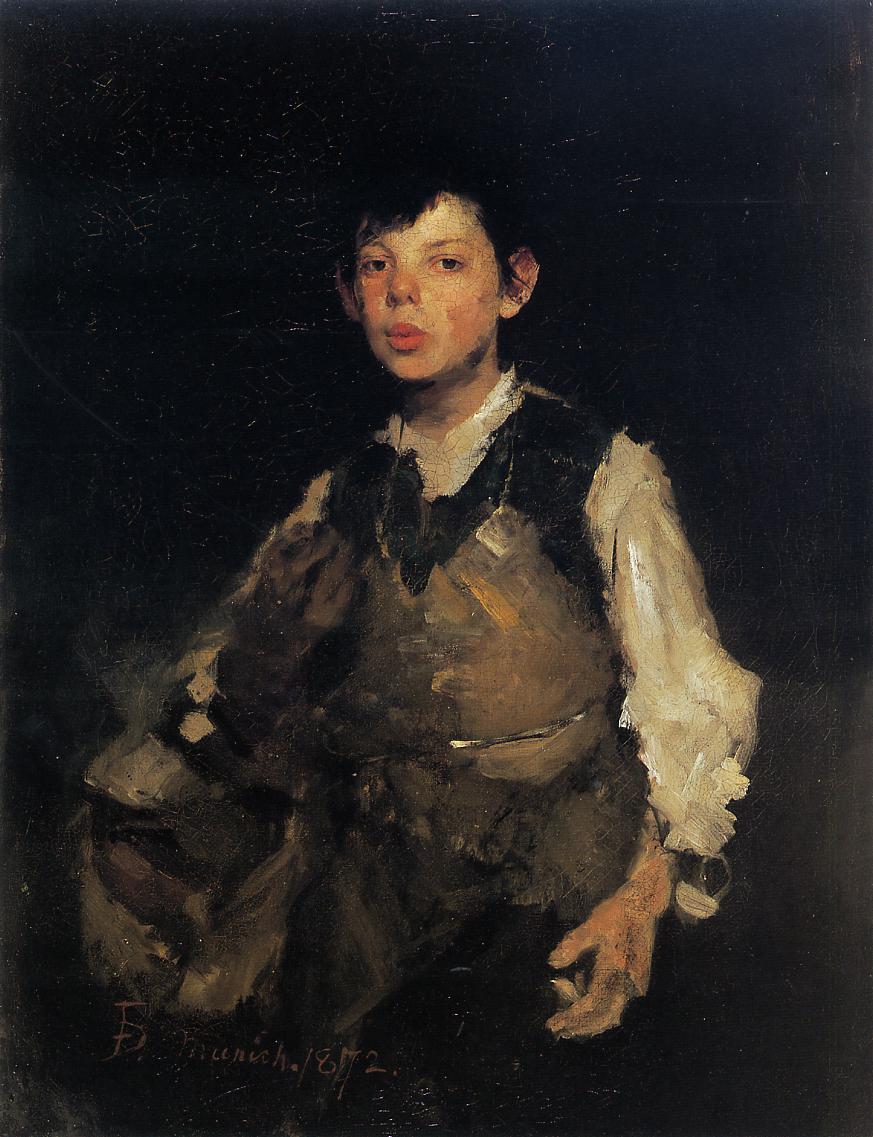
Whistling
Whistling, without the use of an artificial whistle, is achieved by creating a small opening with one's lips, usually after applying moisture (licking one's lips or placing water upon them) and then blowing or sucking air through the space. The air is moderated by the lips, curled tongue, teeth or fingers (placed over the mouth or in various areas between pursed lips) to create turbulence, and the curled tongue acts as a resonant chamber to enhance the resulting sound by acting as a type of Helmholtz resonator. By moving the various parts of the lips, fingers, tongue, and epiglottis, one can then manipulate the types of whistles produced.
Pucker whistling is the most common form in much Western music. Typically, the tongue tip is lowered, often placed behind the lower teeth, and the pitch altered by varying the position of the tongue. Although varying the degree of pucker will change the pitch of a pucker whistle, expert pucker whistlers will generally only make small variations to the degree of pucker, due to its tendency to affect purity of tone. Pucker whistling can be done by either only blowing out or blowing in and out alternately. In the 'only blow out' method, a consistent tone is achieved, but a negligible pause has to be taken to breathe in. In the alternating method, there is no problem of breathlessness or interruption as breath is taken when one whistles breathing in, but a disadvantage is that many times, the consistency of tone is not maintained, and it fluctuates.
Many expert musical palatal whistlers will substantially alter the position of the tongue to ensure a good quality tone. Venetian gondoliers are famous for moving the tongue while they whistle in a way that can look like singing. A good example of a palatal whistler is Luke Janssen, winner of the 2009 World Whistling Competition.
Finger whistling is harder to control but achieves a piercing volume. In Boito's opera Mefistofele the title character uses it to express his defiance of the Almighty.
Whistling can also be produced by blowing air through enclosed, cupped hands or through an external instrument, such as a whistle or even a blade of grass or leaf.
One of the most well-known whistling competitions is the International Whistlers Convention (IWC). This annual event took place in Louisburg, North Carolina, from 1973 to 2013. It recognized adult males and female, teenage males and female, and child champions.
One of the most prolific whistling competitors is a Virginia-based communications expert, Christopher W. Ullman, who has won the IWC so many times he is listed in the International Whistling Hall of Fame. Ullman won the IWC Grand Championship three times, in 1996, 1999, and 2000. In 1999, he was given the Lillian Williams Achievement Award as Whistling Entertainer of the Year.
According to Guinness World Records, the highest pitch human whistle ever recorded was measured at 10,599 Hz, which corresponds to an E9 musical note. This was done by Joshua Lockard in Southlake, Texas, on May 1, 2019. The lowest pitch whistle ever recorded was measured at 174.6 Hz, which corresponds to an F3 musical note. This was accomplished by Jennifer Davies (Canada) at the Impossibility Challenger Games in Dachau, Germany, on 6 November 2006. The most people whistling simultaneously was 853, which was organized at the Spring Harvest event at Minehead, UK, on April 11, 2014.
Hub AI
Whistling AI simulator
(@Whistling_simulator)
Whistling
Whistling, without the use of an artificial whistle, is achieved by creating a small opening with one's lips, usually after applying moisture (licking one's lips or placing water upon them) and then blowing or sucking air through the space. The air is moderated by the lips, curled tongue, teeth or fingers (placed over the mouth or in various areas between pursed lips) to create turbulence, and the curled tongue acts as a resonant chamber to enhance the resulting sound by acting as a type of Helmholtz resonator. By moving the various parts of the lips, fingers, tongue, and epiglottis, one can then manipulate the types of whistles produced.
Pucker whistling is the most common form in much Western music. Typically, the tongue tip is lowered, often placed behind the lower teeth, and the pitch altered by varying the position of the tongue. Although varying the degree of pucker will change the pitch of a pucker whistle, expert pucker whistlers will generally only make small variations to the degree of pucker, due to its tendency to affect purity of tone. Pucker whistling can be done by either only blowing out or blowing in and out alternately. In the 'only blow out' method, a consistent tone is achieved, but a negligible pause has to be taken to breathe in. In the alternating method, there is no problem of breathlessness or interruption as breath is taken when one whistles breathing in, but a disadvantage is that many times, the consistency of tone is not maintained, and it fluctuates.
Many expert musical palatal whistlers will substantially alter the position of the tongue to ensure a good quality tone. Venetian gondoliers are famous for moving the tongue while they whistle in a way that can look like singing. A good example of a palatal whistler is Luke Janssen, winner of the 2009 World Whistling Competition.
Finger whistling is harder to control but achieves a piercing volume. In Boito's opera Mefistofele the title character uses it to express his defiance of the Almighty.
Whistling can also be produced by blowing air through enclosed, cupped hands or through an external instrument, such as a whistle or even a blade of grass or leaf.
One of the most well-known whistling competitions is the International Whistlers Convention (IWC). This annual event took place in Louisburg, North Carolina, from 1973 to 2013. It recognized adult males and female, teenage males and female, and child champions.
One of the most prolific whistling competitors is a Virginia-based communications expert, Christopher W. Ullman, who has won the IWC so many times he is listed in the International Whistling Hall of Fame. Ullman won the IWC Grand Championship three times, in 1996, 1999, and 2000. In 1999, he was given the Lillian Williams Achievement Award as Whistling Entertainer of the Year.
According to Guinness World Records, the highest pitch human whistle ever recorded was measured at 10,599 Hz, which corresponds to an E9 musical note. This was done by Joshua Lockard in Southlake, Texas, on May 1, 2019. The lowest pitch whistle ever recorded was measured at 174.6 Hz, which corresponds to an F3 musical note. This was accomplished by Jennifer Davies (Canada) at the Impossibility Challenger Games in Dachau, Germany, on 6 November 2006. The most people whistling simultaneously was 853, which was organized at the Spring Harvest event at Minehead, UK, on April 11, 2014.