
Recent from talks
Purna Swaraj
Knowledge base stats:
Talk channels stats:
Members stats:
Purna Swaraj
The Declaration of Purna Swaraj or Declaration of the Independence of India was a resolution which was passed in 1930 because of the dissatisfaction among the Indian masses regarding the British offer of Dominion status to India. The word Purna Swaraj was derived from Sanskrit पूर्ण (Pūrṇa) 'Complete' and स्वराज (Svarāja) 'Self-rule or Sovereignty'. It was promulgated by the Indian National Congress, resolving the Congress and Indian nationalists to fight for Purna Swaraj, or complete self-rule/total independence from the British rule.
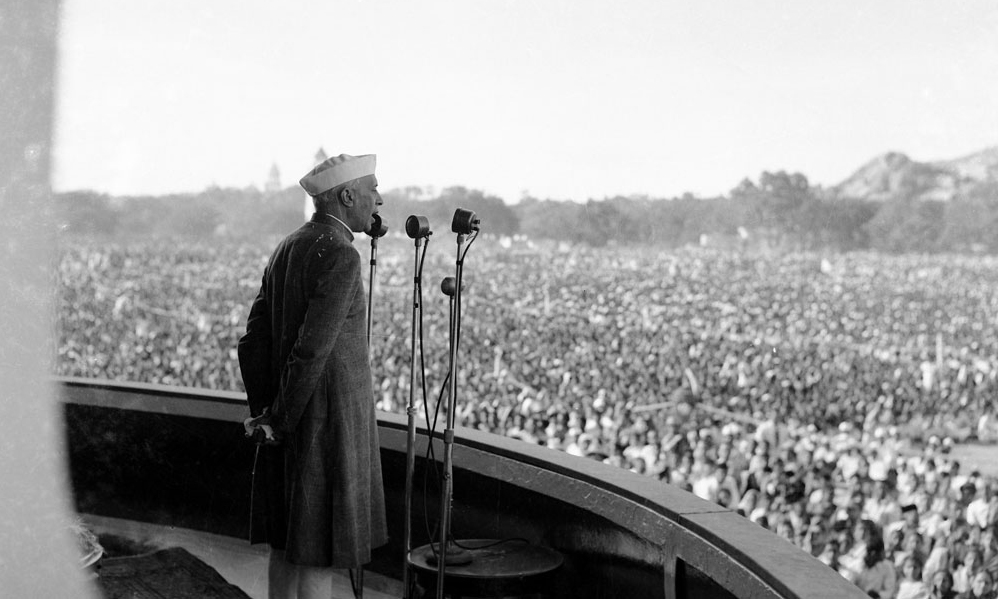
The flag of India was hoisted by Jawaharlal Nehru on 31 December 1929 on the banks of Ravi river, in Lahore. The Congress asked the people of India to observe 26 January as Independence Day (see Legacy). The flag of India was hoisted publicly across India by Congress volunteers and the general public who aspired for self-governance and wanted to achieve independence. Two decades later, the 26th day of January became the nation's Republic Day.
Dadabhai Naoroji in his presidential address at the 1886 National Congress in Calcutta advocated for Swaraj as the sole aim of the nationalist movement, but along the lines of Canada and Australia, which was colonial self-government under the British crown. In 1907, Sri Aurobindo, as editor of the newspaper Bande Mataram, began writing that the new generation of nationalists would not accept anything less than Purna Swaraj, full independence, as it exists in the United Kingdom. Through his writings and speeches, along with Bal Gangadhar Tilak he popularised this idea, making it a core part of the nationalist discourse.
Before 1930, Indian political parties had openly embraced the goal of political independence from the United Kingdom. The All India Home Rule League had been advocating Home Rule for India: dominion status within the British Empire, as granted to Australia, Canada, the Irish Free State, Newfoundland, New Zealand, and South Africa. The All India Muslim League favoured dominion status as well, and opposed calls for outright Indian independence. The Indian Liberal Party, by far the most pro-British party, explicitly opposed India's independence and even dominion status if it weakened India's links with the British Empire. The Indian National Congress, the largest Indian political party of the time, was at the head of the national debate. Congress leader and famous poet Hasrat Mohani was the first activist to demand complete independence (Poorna Swaraj) from the British in 1930 from an All-India Congress Forum. Maghfoor Ahmad Ajazi supported the 'Poorna Swaraj' motion demanded by Hasrat Mohani. Veteran Congress leaders such as Bal Gangadhar Tilak, Sri Aurobindo and Bipin Chandra Pal had also advocated explicit Indian independence from the Empire.It is said that the first independence day was celebrated on 1930, by Sitaram Seksaria in his book.
Following the 1919 Amritsar Massacre, there was considerable public outrage against British rule. Europeans, (civilians and officials) were targets and victims of violence across India. In 1920, Gandhi and the Congress committed themselves to Swaraj, described as political and spiritual independence. At the time, Gandhi described this as the basic demand of all Indians; he specifically said that the question of whether India would remain within the Empire or leave it completely would be answered by the behaviour and response of the British. Between 1920 and 1922, Mahatma Gandhi led the Non-Cooperation movement: nationwide civil disobedience to oppose the Rowlatt Acts and the exclusion of Indians from the government, and the denial of political and civil freedoms.
In 1927, the British government further outraged people across India by appointing a seven-man, all-European committee led by Sir John Simon, called the Simon Commission to deliberate on constitutional and political reforms for India. Indian political parties were neither consulted nor asked to involve themselves in the process. Upon arrival in India, Chairman Sir John Simon and other commission members were met with angry public demonstrations, which followed them everywhere. The death of a prominent Indian leader, Lala Lajpat Rai, from severe beatings by British police officials further outraged the Indian public.
The Congress appointed an all-Indian commission to propose constitutional reforms for India. Members of other Indian political parties joined the commission led by Congress President Motilal Nehru. The Nehru Report demanded that India be granted self-government under the dominion status within the Empire. While most other Indian political parties supported the Nehru commission's work, it was opposed by the Indian Liberal Party and the All India Muslim League. The British ignored the commission, its report and refused to introduce political reform.
The Nehru Report was also controversial within Congress. Younger nationalist leaders like Subhas Chandra Bose and Jawaharlal Nehru demanded that Congress resolve to make a complete and explicit break from all ties with the British. Jawaharlal Nehru also persuaded Congress to vote for total independence for the country with no links with Great Britain. Now Bose and Nehru opposed dominion status, which would retain the King of Great Britain as the constitutional head of state of India (although in the separate capacity as Emperor of India), and preserve political powers for the British Parliament in Indian constitutional affairs. They were supported in their stand by a large number of rank-and-file Congressmen.
Hub AI
Purna Swaraj AI simulator
(@Purna Swaraj_simulator)
Purna Swaraj
The Declaration of Purna Swaraj or Declaration of the Independence of India was a resolution which was passed in 1930 because of the dissatisfaction among the Indian masses regarding the British offer of Dominion status to India. The word Purna Swaraj was derived from Sanskrit पूर्ण (Pūrṇa) 'Complete' and स्वराज (Svarāja) 'Self-rule or Sovereignty'. It was promulgated by the Indian National Congress, resolving the Congress and Indian nationalists to fight for Purna Swaraj, or complete self-rule/total independence from the British rule.
The flag of India was hoisted by Jawaharlal Nehru on 31 December 1929 on the banks of Ravi river, in Lahore. The Congress asked the people of India to observe 26 January as Independence Day (see Legacy). The flag of India was hoisted publicly across India by Congress volunteers and the general public who aspired for self-governance and wanted to achieve independence. Two decades later, the 26th day of January became the nation's Republic Day.
Dadabhai Naoroji in his presidential address at the 1886 National Congress in Calcutta advocated for Swaraj as the sole aim of the nationalist movement, but along the lines of Canada and Australia, which was colonial self-government under the British crown. In 1907, Sri Aurobindo, as editor of the newspaper Bande Mataram, began writing that the new generation of nationalists would not accept anything less than Purna Swaraj, full independence, as it exists in the United Kingdom. Through his writings and speeches, along with Bal Gangadhar Tilak he popularised this idea, making it a core part of the nationalist discourse.
Before 1930, Indian political parties had openly embraced the goal of political independence from the United Kingdom. The All India Home Rule League had been advocating Home Rule for India: dominion status within the British Empire, as granted to Australia, Canada, the Irish Free State, Newfoundland, New Zealand, and South Africa. The All India Muslim League favoured dominion status as well, and opposed calls for outright Indian independence. The Indian Liberal Party, by far the most pro-British party, explicitly opposed India's independence and even dominion status if it weakened India's links with the British Empire. The Indian National Congress, the largest Indian political party of the time, was at the head of the national debate. Congress leader and famous poet Hasrat Mohani was the first activist to demand complete independence (Poorna Swaraj) from the British in 1930 from an All-India Congress Forum. Maghfoor Ahmad Ajazi supported the 'Poorna Swaraj' motion demanded by Hasrat Mohani. Veteran Congress leaders such as Bal Gangadhar Tilak, Sri Aurobindo and Bipin Chandra Pal had also advocated explicit Indian independence from the Empire.It is said that the first independence day was celebrated on 1930, by Sitaram Seksaria in his book.
Following the 1919 Amritsar Massacre, there was considerable public outrage against British rule. Europeans, (civilians and officials) were targets and victims of violence across India. In 1920, Gandhi and the Congress committed themselves to Swaraj, described as political and spiritual independence. At the time, Gandhi described this as the basic demand of all Indians; he specifically said that the question of whether India would remain within the Empire or leave it completely would be answered by the behaviour and response of the British. Between 1920 and 1922, Mahatma Gandhi led the Non-Cooperation movement: nationwide civil disobedience to oppose the Rowlatt Acts and the exclusion of Indians from the government, and the denial of political and civil freedoms.
In 1927, the British government further outraged people across India by appointing a seven-man, all-European committee led by Sir John Simon, called the Simon Commission to deliberate on constitutional and political reforms for India. Indian political parties were neither consulted nor asked to involve themselves in the process. Upon arrival in India, Chairman Sir John Simon and other commission members were met with angry public demonstrations, which followed them everywhere. The death of a prominent Indian leader, Lala Lajpat Rai, from severe beatings by British police officials further outraged the Indian public.
The Congress appointed an all-Indian commission to propose constitutional reforms for India. Members of other Indian political parties joined the commission led by Congress President Motilal Nehru. The Nehru Report demanded that India be granted self-government under the dominion status within the Empire. While most other Indian political parties supported the Nehru commission's work, it was opposed by the Indian Liberal Party and the All India Muslim League. The British ignored the commission, its report and refused to introduce political reform.
The Nehru Report was also controversial within Congress. Younger nationalist leaders like Subhas Chandra Bose and Jawaharlal Nehru demanded that Congress resolve to make a complete and explicit break from all ties with the British. Jawaharlal Nehru also persuaded Congress to vote for total independence for the country with no links with Great Britain. Now Bose and Nehru opposed dominion status, which would retain the King of Great Britain as the constitutional head of state of India (although in the separate capacity as Emperor of India), and preserve political powers for the British Parliament in Indian constitutional affairs. They were supported in their stand by a large number of rank-and-file Congressmen.
Recent media