



Community hub
Recent from talks
Knowledge base stats:
Talk channels stats:
Members stats:
Putney Debates
The Putney Debates, which took place from 28 October to 8 November 1647, were a series of discussions over the political settlement that should follow Parliament's victory over Charles I in the First English Civil War. The main participants were senior officers of the New Model Army who favoured retaining Charles within the framework of a constitutional monarchy, and radicals such as the Levellers who sought more sweeping changes, including one man, one vote and freedom of conscience, particularly in religion.
Alarmed by what they viewed as the dangerous radicalism and increasing power of the New Model Army, in March 1647 the Presbyterian moderates who dominated the Long Parliament ordered the army to disband, a demand which was refused. In June, the army removed Charles from the custody of Parliament and in August established its headquarters at Putney, just outside the City of Westminster in South West London. Its senior officers or "Grandees" hoped the debates would end political divisions with the Agitators who represented the rank and file, and allow them to reach consensus on a peaceful settlement. Collectively, the two sides were grouped together into the Army Council.
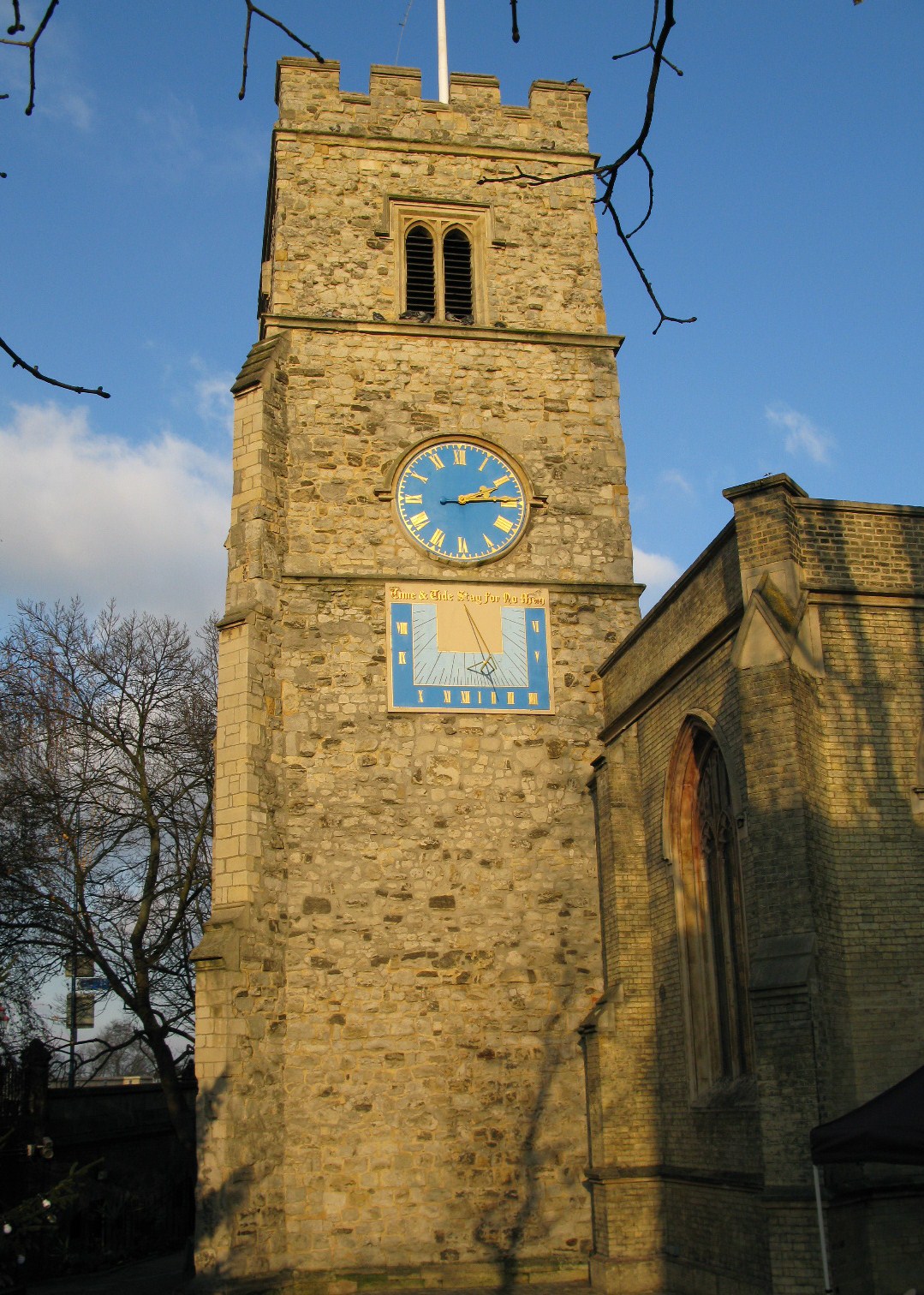
The debates began on 28 October 1647 at St. Mary's Church, Putney and continued until 8 November, when senior officers including Thomas Fairfax, Oliver Cromwell, and Henry Ireton, grew concerned at the possible impact on military discipline and closed them down. The most contentious item was that of the right to vote: the Grandees wanted to restrict it to property-owners, but this was challenged by the Leveller spokesman, Colonel Thomas Rainsborough, who encapsulated his and the Levellers' position by saying:
Earlier that summer Sir Thomas Fairfax, Commander-in-Chief of the Army, Oliver Cromwell (then Member of Parliament for Cambridge and second-in-command), Henry Ireton (Cromwell's son-in-law) and other officers, known as the "Grandees", attempted to negotiate an inclusive settlement with Charles I of England in the aftermath of the First English Civil War. Termed the Heads of Proposals, these included provisions for social justice, but the monarchy and House of Lords would have retained a power of veto over the House of Commons. It also stipulated the king would be restored before the issues of the soldiers' indemnity for acts committed during the war and their arrears of pay were entrenched in law. This clear compromise position was contrary to the New Model Army's Declaration on 14 June and consequently the Heads lost the support of those seeking social reform (at the time generally called Levellers and radicals).
Sometime before October 1647, five of the most radical cavalry regiments elected new Agitators – known as the New Agents – to represent their views. The New Agents issued a political manifesto: The Case of the Armie Truly Stated. The fundamental ideas of the Case of the Armie came to be reflected in a written constitutional draft: the Agreement of the People.
The Putney Debates came about as a result of the publication of the Case of the Armie. According to the author of a book called A Call to all the Soldiers of the Armie (a work usually ascribed to John Wildman), Ireton was so incensed by the Case of the Armie that the New Agents were invited to debate the Case of the Armie before the General Council of the Army.
The radicals wanted a constitution based upon one man, one vote, biennial Parliaments and a re-organisation of parliamentary constituencies. Authority was to be vested in the House of Commons rather than the King and Lords. Certain "native rights" were declared sacrosanct for all Englishmen: freedom of conscience, freedom from impressment (conscription) into the armed forces and equality before (when judged under or seeking a judgement under) the law.
Since Sir Thomas Fairfax was unwell and could not be present, Cromwell chaired the debates. He flatly refused to accept any compromise in which the King was overthrown, while his son-in-law, Henry Ireton, pressed the case that his own The Heads of the Proposals covered all of the concerns raised by the New Agents in The Case of the Armie. The New Agents accepted the meeting, sending Robert Everard (identified on the first day of the Putney Debates as 'Buff Coat') and another New Agent from Col. Whalley's Regiment only identified as 'Bedfordshire Man' (this was possibly Trooper Matthew Weale, a signatory of the Case of the Armie and the Agreement of the People). Other members of the Army present were Colonel Thomas Rainsborough, a successful commander in the Civil War, and lately MP for Droitwich, his brother Major William Rainsborough, and the Agitators Edward Sexby and William Allen. The New Agents also brought John Wildman and Maximillian Petty, two civilian advisors who had been involved with Army affairs since at least July 1647.
Hub AI
Putney Debates AI simulator
(@Putney Debates_simulator)
Putney Debates
The Putney Debates, which took place from 28 October to 8 November 1647, were a series of discussions over the political settlement that should follow Parliament's victory over Charles I in the First English Civil War. The main participants were senior officers of the New Model Army who favoured retaining Charles within the framework of a constitutional monarchy, and radicals such as the Levellers who sought more sweeping changes, including one man, one vote and freedom of conscience, particularly in religion.
Alarmed by what they viewed as the dangerous radicalism and increasing power of the New Model Army, in March 1647 the Presbyterian moderates who dominated the Long Parliament ordered the army to disband, a demand which was refused. In June, the army removed Charles from the custody of Parliament and in August established its headquarters at Putney, just outside the City of Westminster in South West London. Its senior officers or "Grandees" hoped the debates would end political divisions with the Agitators who represented the rank and file, and allow them to reach consensus on a peaceful settlement. Collectively, the two sides were grouped together into the Army Council.
The debates began on 28 October 1647 at St. Mary's Church, Putney and continued until 8 November, when senior officers including Thomas Fairfax, Oliver Cromwell, and Henry Ireton, grew concerned at the possible impact on military discipline and closed them down. The most contentious item was that of the right to vote: the Grandees wanted to restrict it to property-owners, but this was challenged by the Leveller spokesman, Colonel Thomas Rainsborough, who encapsulated his and the Levellers' position by saying:
Earlier that summer Sir Thomas Fairfax, Commander-in-Chief of the Army, Oliver Cromwell (then Member of Parliament for Cambridge and second-in-command), Henry Ireton (Cromwell's son-in-law) and other officers, known as the "Grandees", attempted to negotiate an inclusive settlement with Charles I of England in the aftermath of the First English Civil War. Termed the Heads of Proposals, these included provisions for social justice, but the monarchy and House of Lords would have retained a power of veto over the House of Commons. It also stipulated the king would be restored before the issues of the soldiers' indemnity for acts committed during the war and their arrears of pay were entrenched in law. This clear compromise position was contrary to the New Model Army's Declaration on 14 June and consequently the Heads lost the support of those seeking social reform (at the time generally called Levellers and radicals).
Sometime before October 1647, five of the most radical cavalry regiments elected new Agitators – known as the New Agents – to represent their views. The New Agents issued a political manifesto: The Case of the Armie Truly Stated. The fundamental ideas of the Case of the Armie came to be reflected in a written constitutional draft: the Agreement of the People.
The Putney Debates came about as a result of the publication of the Case of the Armie. According to the author of a book called A Call to all the Soldiers of the Armie (a work usually ascribed to John Wildman), Ireton was so incensed by the Case of the Armie that the New Agents were invited to debate the Case of the Armie before the General Council of the Army.
The radicals wanted a constitution based upon one man, one vote, biennial Parliaments and a re-organisation of parliamentary constituencies. Authority was to be vested in the House of Commons rather than the King and Lords. Certain "native rights" were declared sacrosanct for all Englishmen: freedom of conscience, freedom from impressment (conscription) into the armed forces and equality before (when judged under or seeking a judgement under) the law.
Since Sir Thomas Fairfax was unwell and could not be present, Cromwell chaired the debates. He flatly refused to accept any compromise in which the King was overthrown, while his son-in-law, Henry Ireton, pressed the case that his own The Heads of the Proposals covered all of the concerns raised by the New Agents in The Case of the Armie. The New Agents accepted the meeting, sending Robert Everard (identified on the first day of the Putney Debates as 'Buff Coat') and another New Agent from Col. Whalley's Regiment only identified as 'Bedfordshire Man' (this was possibly Trooper Matthew Weale, a signatory of the Case of the Armie and the Agreement of the People). Other members of the Army present were Colonel Thomas Rainsborough, a successful commander in the Civil War, and lately MP for Droitwich, his brother Major William Rainsborough, and the Agitators Edward Sexby and William Allen. The New Agents also brought John Wildman and Maximillian Petty, two civilian advisors who had been involved with Army affairs since at least July 1647.