
Recent from talks
Ranavalona III
Knowledge base stats:
Talk channels stats:
Members stats:
Ranavalona III
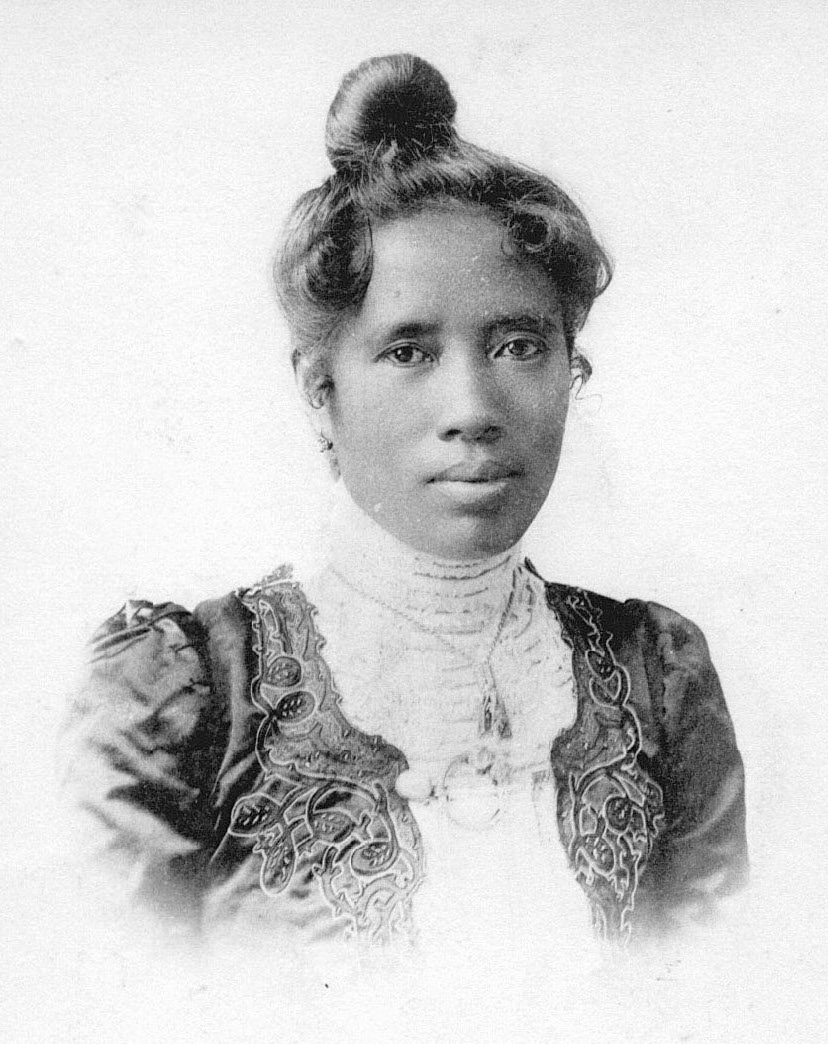
Ranavalona III (Malagasy pronunciation: [ranaˈvalːə̥]; 22 November 1861 – 23 May 1917) was the last sovereign of the Kingdom of Madagascar. She ruled from 30 July 1883 to 28 February 1897 in a reign marked by ultimately futile efforts to resist the colonial designs of the government of France. As a young woman, she was selected to succeed Queen Ranavalona II. Like both preceding queens, Ranavalona entered a political marriage with a member of the Hova elite named Rainilaiarivony, who largely oversaw the day-to-day governance of the kingdom and managed its foreign affairs in his role as prime minister. Ranavalona tried to stave off colonization by strengthening trade and diplomatic relations with foreign powers throughout her reign, but French attacks on coastal port towns and an assault on the capital city of Antananarivo led to the capture of the royal palace in 1895, ending the sovereignty and political autonomy of the centuries-old kingdom.
Ranavalona and her court were initially permitted to remain as symbolic figureheads, but the outbreak of a popular resistance movement called the menalamba rebellion, and the discovery of anti-French political intrigues at court, led the French to exile her to the island of Réunion in 1897. Rainilaiarivony died that same year, and Ranavalona was relocated to a villa in Algiers, along with several members of her family. The queen, her family, and the servants accompanying her were provided an allowance and enjoyed a comfortable standard of living, including occasional trips to Paris for shopping and sightseeing. Ranavalona was never permitted to return home to Madagascar, despite her repeated requests. She died of an embolism at her villa in Algiers in 1917 at age 55. Her remains were buried in Algiers but were disinterred 21 years later and shipped to Madagascar, where they were placed within the tomb of Queen Rasoherina on the grounds of the Rova of Antananarivo.
Ranavalona III, daughter of Andriantsimianatra and his wife and cousin Princess Raketaka, was born Princess Razafindrahety on 22 November 1861, at Amparibe, a rural village in the district of Manjakazafy outside Antananarivo. Razafindrahety's lineage, as niece to Queen Ranavalona II and great-granddaughter of King Andrianampoinimerina, qualified her to potentially inherit the throne of the Kingdom of Madagascar. Her parents assigned the care of the infant Razafindrahety to a slave who served the family.
When she was old enough to attend school, Razafindrahety was taken into the custody of her aunt, Queen Ranavalona II, who ensured she began receiving a private education from a London Missionary Society (LMS) teacher. She was described as an industrious and inquisitive child with a strong love of studying the Bible, learning and reading, and she developed affectionate relationships with her teachers. She continued her education throughout her adolescence at the Congregational School of Ambatonakanga, the Friends High School for Girls, and the LMS Girls' Central School. She was baptized as a Protestant at Ambohimanga on 5 April 1874. Her teachers consistently described her as ranking among their strongest students.
As a young woman, Razafindrahety married an Andriana (nobleman) named Ratrimo (Ratrimoarivony). Her husband died several years later on 8 May 1883, aged 22, leaving Razafindrahety a premature widow. According to rumor, Prime Minister Rainilaiarivony may have arranged to have Ratrimo poisoned for political reasons. The Aristocratic Revolution of 1863, which had been orchestrated by Rainilaiarivony's older brother, Prime Minister Rainivoninahitriniony, had replaced the absolute rule of the Andriana with a constitutional monarchy in which power was shared between an Andriana monarch and a Hova (freeman) prime minister. This arrangement was to be cemented by a political marriage between the prime minister and a ruling queen effectively selected by him. As Queen Ranavalona II neared death and the search for her successor began, Rainilaiarivony may have had Ratrimo deliberately poisoned so that Razafindrahety, the most eligible successor, would be free to marry the prime minister and succeed to the throne.
Ranavalona III was proclaimed queen upon the death of her predecessor, Queen Ranavalona II, on 13 July 1883, and moved into Tsarahafatra, a wooden house on the grounds of the royal Rova complex in Antananarivo. Her coronation took place in the Mahamasina neighborhood of Antananarivo on 22 November 1883, her 22nd birthday, where she was given the title "Her Majesty Ranavalona III by the grace of God and the will of the people, Queen of Madagascar, and Protectoress of the laws of the Nation". She chose to break with tradition by supplementing the customary retinue of soldiers at her ceremony with a group of 500 male and 400 female pupils from the capital's best schools. The girls were dressed in white while the boys wore soldiers' uniforms and performed traditional military drills with spears. Ranavalona was crowned wearing a white silk gown with a red train featuring embroidery and gold embellishments. The queen was described in the American press in the following terms: "She is a little above the ordinary height and has delicate features, her complexion is a little darker than that of most of her subjects. She appears quite timid and she presides well at the solemn functions of her court." The British Museum holds a Ranavalona III ten centime coin struck in 1883.
Like her two predecessors, Ranavalona concluded a political marriage with Prime Minister Rainilaiarivony. The young queen's role was largely ceremonial as nearly all important political decisions continued to be made by the much older and more experienced prime minister. Ranavalona was frequently called upon to deliver formal speeches (kabary) to the public on behalf of Rainilaiarivony and would make appearances to inaugurate new public buildings, such as a hospital at Isoavinandriana and a girls' school at Ambodin'Andohalo. Throughout her reign, Ranavalona's aunt, Ramasindrazana, acted as an adviser and exercised considerable influence at court. Ranavalona's older sister, Rasendranoro, whose son Rakatomena and daughter Razafinandriamanitra lived with their mother at the Rova, was also a close companion. An American journalist who visited her palace reported that Ranavalona spent much of her leisure time flying kites or playing lotto, a parlor game, with her relatives and other ladies at court. She also enjoyed knitting, needlework and crocheting and would frequently bring her latest craft project to work on at cabinet meetings. She had a great love of fine garments and was the only Malagasy sovereign to import the majority of her clothing from Paris rather than London. She invited to Madagascar French stage magician Marius Cazeneuve to perform at her court. Reportedly, the queen and Cazeneuve developed a romantic relationship, and the magician was also working for the French intelligence, promoting French influence at court.
As sovereign of Madagascar, Ranavalona III became involved in the endgame of the maneuvering that had been taking place between the British and French since the beginning of the 19th century. The tension between France and Madagascar had grown especially acute in the three years prior to Ranavalona's succession, with an intensification of attacks in the months prior to her coronation. In February 1883 the northwestern coast was bombarded, followed by the occupation of Mahajanga by the French in May, and bombardment and capture of Toamasina in June. Attacks along the northern coast were ongoing at the time Ranavalona III was crowned in the summer of 1883. Shortly after the French initiated this latest round of hostilities, Prime Minister Rainilaiarivony decided to engage Digby Willoughby, a Briton who had gained combat experience in the Anglo-Zulu War as a member of the Natal Mounted Police, to oversee the nation's military affairs and train the queen's army to defend the island against the seemingly inevitable French invasion.
Hub AI
Ranavalona III AI simulator
(@Ranavalona III_simulator)
Ranavalona III
Ranavalona III (Malagasy pronunciation: [ranaˈvalːə̥]; 22 November 1861 – 23 May 1917) was the last sovereign of the Kingdom of Madagascar. She ruled from 30 July 1883 to 28 February 1897 in a reign marked by ultimately futile efforts to resist the colonial designs of the government of France. As a young woman, she was selected to succeed Queen Ranavalona II. Like both preceding queens, Ranavalona entered a political marriage with a member of the Hova elite named Rainilaiarivony, who largely oversaw the day-to-day governance of the kingdom and managed its foreign affairs in his role as prime minister. Ranavalona tried to stave off colonization by strengthening trade and diplomatic relations with foreign powers throughout her reign, but French attacks on coastal port towns and an assault on the capital city of Antananarivo led to the capture of the royal palace in 1895, ending the sovereignty and political autonomy of the centuries-old kingdom.
Ranavalona and her court were initially permitted to remain as symbolic figureheads, but the outbreak of a popular resistance movement called the menalamba rebellion, and the discovery of anti-French political intrigues at court, led the French to exile her to the island of Réunion in 1897. Rainilaiarivony died that same year, and Ranavalona was relocated to a villa in Algiers, along with several members of her family. The queen, her family, and the servants accompanying her were provided an allowance and enjoyed a comfortable standard of living, including occasional trips to Paris for shopping and sightseeing. Ranavalona was never permitted to return home to Madagascar, despite her repeated requests. She died of an embolism at her villa in Algiers in 1917 at age 55. Her remains were buried in Algiers but were disinterred 21 years later and shipped to Madagascar, where they were placed within the tomb of Queen Rasoherina on the grounds of the Rova of Antananarivo.
Ranavalona III, daughter of Andriantsimianatra and his wife and cousin Princess Raketaka, was born Princess Razafindrahety on 22 November 1861, at Amparibe, a rural village in the district of Manjakazafy outside Antananarivo. Razafindrahety's lineage, as niece to Queen Ranavalona II and great-granddaughter of King Andrianampoinimerina, qualified her to potentially inherit the throne of the Kingdom of Madagascar. Her parents assigned the care of the infant Razafindrahety to a slave who served the family.
When she was old enough to attend school, Razafindrahety was taken into the custody of her aunt, Queen Ranavalona II, who ensured she began receiving a private education from a London Missionary Society (LMS) teacher. She was described as an industrious and inquisitive child with a strong love of studying the Bible, learning and reading, and she developed affectionate relationships with her teachers. She continued her education throughout her adolescence at the Congregational School of Ambatonakanga, the Friends High School for Girls, and the LMS Girls' Central School. She was baptized as a Protestant at Ambohimanga on 5 April 1874. Her teachers consistently described her as ranking among their strongest students.
As a young woman, Razafindrahety married an Andriana (nobleman) named Ratrimo (Ratrimoarivony). Her husband died several years later on 8 May 1883, aged 22, leaving Razafindrahety a premature widow. According to rumor, Prime Minister Rainilaiarivony may have arranged to have Ratrimo poisoned for political reasons. The Aristocratic Revolution of 1863, which had been orchestrated by Rainilaiarivony's older brother, Prime Minister Rainivoninahitriniony, had replaced the absolute rule of the Andriana with a constitutional monarchy in which power was shared between an Andriana monarch and a Hova (freeman) prime minister. This arrangement was to be cemented by a political marriage between the prime minister and a ruling queen effectively selected by him. As Queen Ranavalona II neared death and the search for her successor began, Rainilaiarivony may have had Ratrimo deliberately poisoned so that Razafindrahety, the most eligible successor, would be free to marry the prime minister and succeed to the throne.
Ranavalona III was proclaimed queen upon the death of her predecessor, Queen Ranavalona II, on 13 July 1883, and moved into Tsarahafatra, a wooden house on the grounds of the royal Rova complex in Antananarivo. Her coronation took place in the Mahamasina neighborhood of Antananarivo on 22 November 1883, her 22nd birthday, where she was given the title "Her Majesty Ranavalona III by the grace of God and the will of the people, Queen of Madagascar, and Protectoress of the laws of the Nation". She chose to break with tradition by supplementing the customary retinue of soldiers at her ceremony with a group of 500 male and 400 female pupils from the capital's best schools. The girls were dressed in white while the boys wore soldiers' uniforms and performed traditional military drills with spears. Ranavalona was crowned wearing a white silk gown with a red train featuring embroidery and gold embellishments. The queen was described in the American press in the following terms: "She is a little above the ordinary height and has delicate features, her complexion is a little darker than that of most of her subjects. She appears quite timid and she presides well at the solemn functions of her court." The British Museum holds a Ranavalona III ten centime coin struck in 1883.
Like her two predecessors, Ranavalona concluded a political marriage with Prime Minister Rainilaiarivony. The young queen's role was largely ceremonial as nearly all important political decisions continued to be made by the much older and more experienced prime minister. Ranavalona was frequently called upon to deliver formal speeches (kabary) to the public on behalf of Rainilaiarivony and would make appearances to inaugurate new public buildings, such as a hospital at Isoavinandriana and a girls' school at Ambodin'Andohalo. Throughout her reign, Ranavalona's aunt, Ramasindrazana, acted as an adviser and exercised considerable influence at court. Ranavalona's older sister, Rasendranoro, whose son Rakatomena and daughter Razafinandriamanitra lived with their mother at the Rova, was also a close companion. An American journalist who visited her palace reported that Ranavalona spent much of her leisure time flying kites or playing lotto, a parlor game, with her relatives and other ladies at court. She also enjoyed knitting, needlework and crocheting and would frequently bring her latest craft project to work on at cabinet meetings. She had a great love of fine garments and was the only Malagasy sovereign to import the majority of her clothing from Paris rather than London. She invited to Madagascar French stage magician Marius Cazeneuve to perform at her court. Reportedly, the queen and Cazeneuve developed a romantic relationship, and the magician was also working for the French intelligence, promoting French influence at court.
As sovereign of Madagascar, Ranavalona III became involved in the endgame of the maneuvering that had been taking place between the British and French since the beginning of the 19th century. The tension between France and Madagascar had grown especially acute in the three years prior to Ranavalona's succession, with an intensification of attacks in the months prior to her coronation. In February 1883 the northwestern coast was bombarded, followed by the occupation of Mahajanga by the French in May, and bombardment and capture of Toamasina in June. Attacks along the northern coast were ongoing at the time Ranavalona III was crowned in the summer of 1883. Shortly after the French initiated this latest round of hostilities, Prime Minister Rainilaiarivony decided to engage Digby Willoughby, a Briton who had gained combat experience in the Anglo-Zulu War as a member of the Natal Mounted Police, to oversee the nation's military affairs and train the queen's army to defend the island against the seemingly inevitable French invasion.
Recent media