



Community hub
Recent from talks
Knowledge base stats:
Talk channels stats:
Members stats:
Religion in Costa Rica
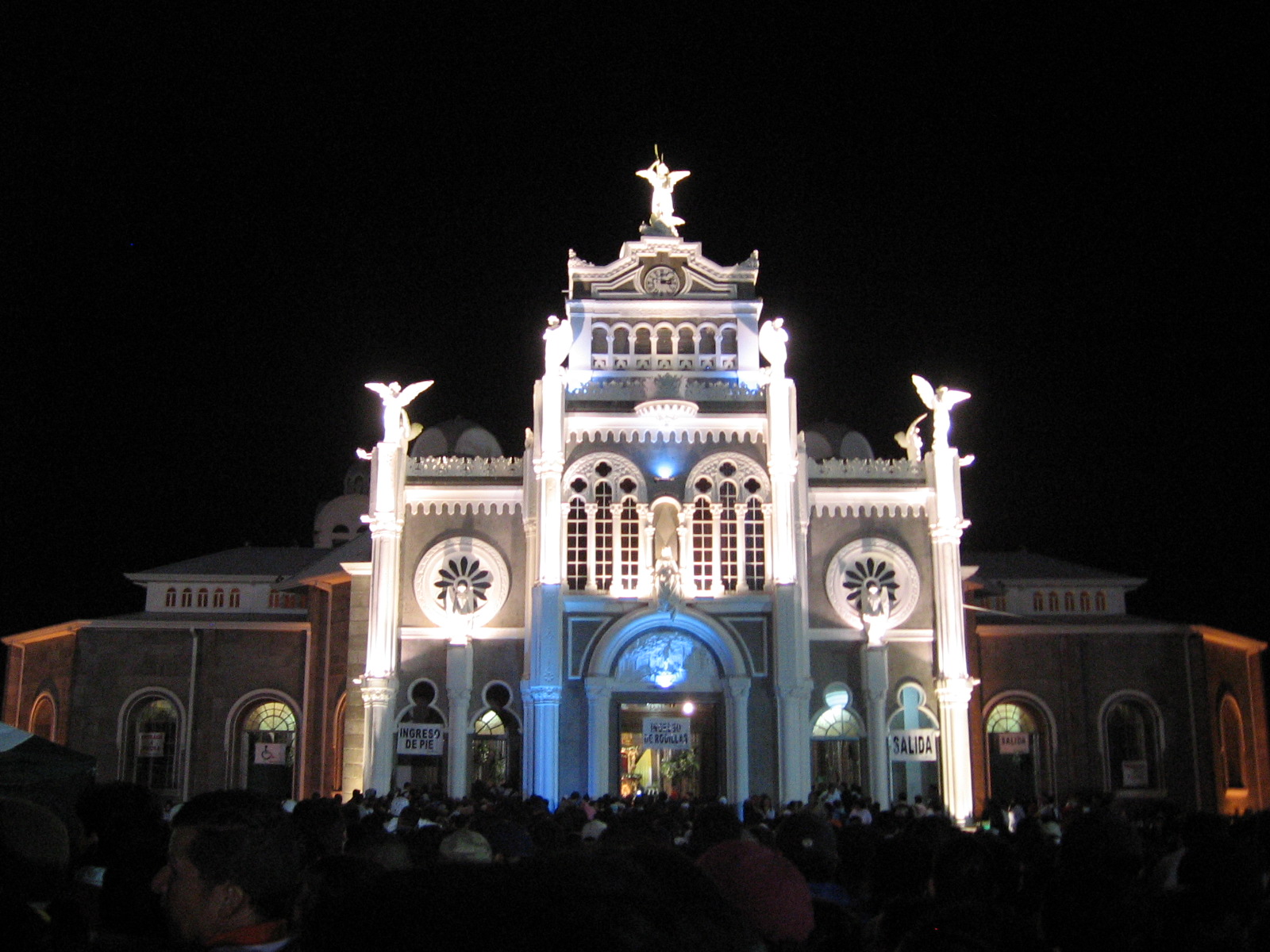
Christianity is the predominant religion in Costa Rica, with Catholicism being its largest denomination. Catholicism is also the state religion, but the government generally upholds people's religious freedom in practice.
Catholicism is the official state religion and is entitled to state support according to the 1949 Constitution, which at the same time guarantees freedom of religion. It is the only state in the Americas with a state religion and one of the few Western countries which established Catholicism as its state religion; other such countries are microstates in Europe: Liechtenstein, Monaco, Vatican City and Malta.
The Constitution also forbids in its 28 article the use of religious feelings for electoral purposes, prohibition also contemplated in the Electoral Code. In theory, religious-based parties are banned since 1889 (precisely as a way to ban the then Church-endorsed Catholic Union party), however in practice Evangelical parties do exists, with its base mostly extracted from and directed toward the neo-Pentecostal community. The Supreme Electoral Tribunal has ruled that their existence is allowed as long as they do not use religion directly in their propaganda (which is what the Constitution forbids), however this provision has not always been fulfilled and the TSE has sanctioned certain campaigns for the use of religion in them.
The Constitution also limits the possibility for members of the clergy to be elected, as some of the requirements to be President, Vice-president, Minister or Justice is to be a layperson. Recent rulings from the Constitutional Court established that, as only the Catholic Church is official and the other religions are not regulated by it or the law, this prohibition applies only to Catholic priests, thus the clergy from other religions like Protestant pastors, Orthodox priests, rabbis, Buddhist monks, etc., in theory, can be candidates to these offices.
There is no law regulating religious bodies in Costa Rica. The Electoral code reinforces the constitutional prohibition of using religious propaganda and the Labor Code establishes the right from non-Catholics to have their respective religious holidays exchange from one of the national holidays and/or their vacations, which the employer has to comply. However, there is no specific legislation that regulates religions. The Associations’ Law establishes the existence of "religious association" and some religions register as such, but this status has no notable difference from any other form of Association, and many religions also prefer the “cultural association” registry.
Being registered as a religion does not provide any special responsibility nor any legal advantage and is not mandatory for private or public practice as far as other laws are not broken. Only the Catholic Church can be tax exempt, only the Catholic Church can receive state funds and property transferrals and only its marriages are legal without the need of a lawyer. Most religions register as association (whether cultural or religious) to be legally capable of hiring personal and own properties, however this is not mandatory and small religious groups like small neo-Pagan covens or new religious movements do not register at all and are allowed to practice as far as they do not disrupt public order or general legislation.
Currently a bill endorsed by the Evangelical parties in the Legislative Assembly of Costa Rica named "Freedom of Religion and Cult Act" is under discussion in one of the committees. The bill expects to regulate religions and give non-Catholic churches (but excluding non-Christian religions) certain rights and privileges that the Catholic Church enjoys including performing legal marriages and receive state funds. However the bill has opposition both from the Catholic Church and the more secular and non-religious population although for different reasons, the Episcopal Conference fear it will affect the Catholic Church, whilst secularists advocate for an absolute secular state with no official religion at all. The bill has also been criticized for excluding the non-Christian religions and being tailor-made for the Evangelical Churches.
According to CID-Gallup surveys, in 2003 around 68% was Catholic, 17% was Protestants, 12% irreligious and 3% other religions. In November 2012, there were not any significant changes in religious affiliation, with the new demographics being 63% Catholic, 24% Protestant, 10% irreligious and other remain at 3% of population. Christian population growth from 85 to 87% in 2000's decade. Other surveys found gradual changes on religious affiliation after 2012.
Hub AI
Religion in Costa Rica AI simulator
(@Religion in Costa Rica_simulator)
Religion in Costa Rica
Christianity is the predominant religion in Costa Rica, with Catholicism being its largest denomination. Catholicism is also the state religion, but the government generally upholds people's religious freedom in practice.
Catholicism is the official state religion and is entitled to state support according to the 1949 Constitution, which at the same time guarantees freedom of religion. It is the only state in the Americas with a state religion and one of the few Western countries which established Catholicism as its state religion; other such countries are microstates in Europe: Liechtenstein, Monaco, Vatican City and Malta.
The Constitution also forbids in its 28 article the use of religious feelings for electoral purposes, prohibition also contemplated in the Electoral Code. In theory, religious-based parties are banned since 1889 (precisely as a way to ban the then Church-endorsed Catholic Union party), however in practice Evangelical parties do exists, with its base mostly extracted from and directed toward the neo-Pentecostal community. The Supreme Electoral Tribunal has ruled that their existence is allowed as long as they do not use religion directly in their propaganda (which is what the Constitution forbids), however this provision has not always been fulfilled and the TSE has sanctioned certain campaigns for the use of religion in them.
The Constitution also limits the possibility for members of the clergy to be elected, as some of the requirements to be President, Vice-president, Minister or Justice is to be a layperson. Recent rulings from the Constitutional Court established that, as only the Catholic Church is official and the other religions are not regulated by it or the law, this prohibition applies only to Catholic priests, thus the clergy from other religions like Protestant pastors, Orthodox priests, rabbis, Buddhist monks, etc., in theory, can be candidates to these offices.
There is no law regulating religious bodies in Costa Rica. The Electoral code reinforces the constitutional prohibition of using religious propaganda and the Labor Code establishes the right from non-Catholics to have their respective religious holidays exchange from one of the national holidays and/or their vacations, which the employer has to comply. However, there is no specific legislation that regulates religions. The Associations’ Law establishes the existence of "religious association" and some religions register as such, but this status has no notable difference from any other form of Association, and many religions also prefer the “cultural association” registry.
Being registered as a religion does not provide any special responsibility nor any legal advantage and is not mandatory for private or public practice as far as other laws are not broken. Only the Catholic Church can be tax exempt, only the Catholic Church can receive state funds and property transferrals and only its marriages are legal without the need of a lawyer. Most religions register as association (whether cultural or religious) to be legally capable of hiring personal and own properties, however this is not mandatory and small religious groups like small neo-Pagan covens or new religious movements do not register at all and are allowed to practice as far as they do not disrupt public order or general legislation.
Currently a bill endorsed by the Evangelical parties in the Legislative Assembly of Costa Rica named "Freedom of Religion and Cult Act" is under discussion in one of the committees. The bill expects to regulate religions and give non-Catholic churches (but excluding non-Christian religions) certain rights and privileges that the Catholic Church enjoys including performing legal marriages and receive state funds. However the bill has opposition both from the Catholic Church and the more secular and non-religious population although for different reasons, the Episcopal Conference fear it will affect the Catholic Church, whilst secularists advocate for an absolute secular state with no official religion at all. The bill has also been criticized for excluding the non-Christian religions and being tailor-made for the Evangelical Churches.
According to CID-Gallup surveys, in 2003 around 68% was Catholic, 17% was Protestants, 12% irreligious and 3% other religions. In November 2012, there were not any significant changes in religious affiliation, with the new demographics being 63% Catholic, 24% Protestant, 10% irreligious and other remain at 3% of population. Christian population growth from 85 to 87% in 2000's decade. Other surveys found gradual changes on religious affiliation after 2012.