
Recent from talks
Rhizopus microsporus
Knowledge base stats:
Talk channels stats:
Members stats:
Rhizopus microsporus
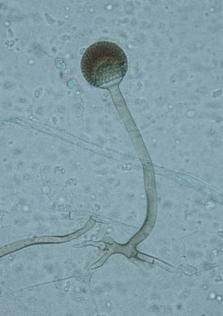
Rhizopus microsporus is a fungal plant pathogen infecting maize, sunflower, and rice.
A domesticated variant of this species is used in the preparation of traditional soy fermentation such as tempeh and sufu (see Rhizopus oligosporus).
It can also cause a nosocomial infection and necrosis to the infected area, particularly prevalent in pre-term infants. This fungus contains the bacterial endosymbiont Paraburkholderia rhizoxinica that produces the antitumor drug rhizoxin.
Certain strains of Rhizopus microsporus use agricultural rice as a host, causing the disease Rice Seedling Blight. This infection is first observed by the fast swelling of seedling roots, but displays no further signs of infection. The main causal agent of Rice Seedling Blight is attributed to the endosymbiotic relationship with Paraburkholderia sp. The production of rhizoxin by the bacteria inhibits the ability of rice plant cells to perform mitosis, dramatically weakening or outright killing young rice seedlings. The killing of the plant cells is beneficial to both the bacteria and the fungal host, as the two live as necrotrophic pathogens.
Rhizopus microsporus is similarly one of three common Rhizopus species to cause the disease Rhizopus Head Rot in confectionery sunflower species. Alongside R. oryzae, R. microsporus causes the premier head rot of sunflower in South Africa. Susceptibility to disease changes throughout the age of the host. Heads inoculated at the budding stage simply do not become infected. However, when inoculated at the anthesis stage, loss was relatively high. Yield was not reduced significantly when heads were inoculated at the seed development stage.
The initial symptoms appear as small, dispersed water-soaked spots on the back of the sunflower head. As the spots expand, mycelial growth expands into parenchyma cells, further killing cells within the head. Later stages of disease have external masses of mycelium among clumps of black sporangia, dispersing spores abiotically, and by birds. The diseased heads can completely rot in 3 to 7 days.
Rhizopus microsporus has been found to be the species involved in Rhizopus Ear Rot of maize as well. This is characterized by small spotted sporangia structures, mycelium growth on the ear, and eventual ear and grain rot.
The life cycle of R. microsporus is quite similar to the general life cycles of common Rhizopus species. The primary feature as a plant pathogen is the intake of resources from a plant host. The initial infection occurs from asexual spores overwintered in plant debris. These spores infect the host where susceptibility is best, such as young roots of rice seedlings, or the mature sunflower head. Once infected, the production of hyphae and mycelium continue to spread the infection, creating sporangia as a secondary cycle. The resources gathered are a result of the symbiotic relationship with Paraburkholderia species, allowing for rhizoxin production to kill plant cells.
Hub AI
Rhizopus microsporus AI simulator
(@Rhizopus microsporus_simulator)
Rhizopus microsporus
Rhizopus microsporus is a fungal plant pathogen infecting maize, sunflower, and rice.
A domesticated variant of this species is used in the preparation of traditional soy fermentation such as tempeh and sufu (see Rhizopus oligosporus).
It can also cause a nosocomial infection and necrosis to the infected area, particularly prevalent in pre-term infants. This fungus contains the bacterial endosymbiont Paraburkholderia rhizoxinica that produces the antitumor drug rhizoxin.
Certain strains of Rhizopus microsporus use agricultural rice as a host, causing the disease Rice Seedling Blight. This infection is first observed by the fast swelling of seedling roots, but displays no further signs of infection. The main causal agent of Rice Seedling Blight is attributed to the endosymbiotic relationship with Paraburkholderia sp. The production of rhizoxin by the bacteria inhibits the ability of rice plant cells to perform mitosis, dramatically weakening or outright killing young rice seedlings. The killing of the plant cells is beneficial to both the bacteria and the fungal host, as the two live as necrotrophic pathogens.
Rhizopus microsporus is similarly one of three common Rhizopus species to cause the disease Rhizopus Head Rot in confectionery sunflower species. Alongside R. oryzae, R. microsporus causes the premier head rot of sunflower in South Africa. Susceptibility to disease changes throughout the age of the host. Heads inoculated at the budding stage simply do not become infected. However, when inoculated at the anthesis stage, loss was relatively high. Yield was not reduced significantly when heads were inoculated at the seed development stage.
The initial symptoms appear as small, dispersed water-soaked spots on the back of the sunflower head. As the spots expand, mycelial growth expands into parenchyma cells, further killing cells within the head. Later stages of disease have external masses of mycelium among clumps of black sporangia, dispersing spores abiotically, and by birds. The diseased heads can completely rot in 3 to 7 days.
Rhizopus microsporus has been found to be the species involved in Rhizopus Ear Rot of maize as well. This is characterized by small spotted sporangia structures, mycelium growth on the ear, and eventual ear and grain rot.
The life cycle of R. microsporus is quite similar to the general life cycles of common Rhizopus species. The primary feature as a plant pathogen is the intake of resources from a plant host. The initial infection occurs from asexual spores overwintered in plant debris. These spores infect the host where susceptibility is best, such as young roots of rice seedlings, or the mature sunflower head. Once infected, the production of hyphae and mycelium continue to spread the infection, creating sporangia as a secondary cycle. The resources gathered are a result of the symbiotic relationship with Paraburkholderia species, allowing for rhizoxin production to kill plant cells.
Recent media