



Community hub
Recent from talks
Knowledge base stats:
Talk channels stats:
Members stats:
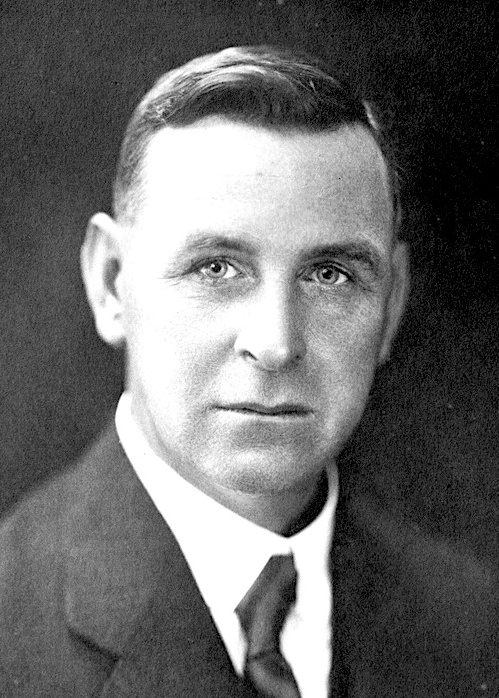
Richard Layton Butler
Sir Richard Layton Butler KCMG (31 March 1885 – 21 January 1966) was the 31st Premier of South Australia, serving two disjunct terms in office: from 1927 to 1930, and again from 1933 to 1938.
Born on a farm near Gawler, South Australia, the son of former South Australian Premier Sir Richard Butler and his wife Helena (née Layton) Butler studied at Adelaide Agricultural School before becoming a grazier at Kapunda and marrying Maude Draper on 4 January 1908.
Inheriting his father's interest in politics, Butler joined the conservative Liberal Union while young and was elected to the South Australian House of Assembly for the rural electorate of Wooroora at the 1915 election, serving in the House alongside his father. Butler would lose his seat at the 1918 election (due to his support for conscription) but regained Wooroora at the 1921 election and retained the seat comfortably for the next seventeen years. He followed most of the Liberal Union into the Liberal Federation in 1922 when it joined forces with several pro-conscription Labor Party members.
Butler made infrequent speeches in parliament and was in the habit of accidentally offending people through his choice of words. He was, however, known for his convivial style outside parliament and his equally pugnacious style inside the house. In 1925 he became Liberal Federation party whip, becoming party leader (and therefore Opposition leader) shortly afterward following the retirement of former premier Henry Barwell from politics.
At the 1927 election, Butler successfully led the Liberal Federation to victory, winning 23 seats in the 46 seat Assembly, with the coalition Country Party winning five seats, the Labor Party 16, the Independent Protestant Labor Party one and an independent winning a seat. In becoming Premier (as well as Treasurer of South Australia and Minister of Railways), Butler and his father became the first (and so far only) father-son combination to serve as Premier of South Australia.
In government, Butler passed the Drought Relief and Debt Adjustment Acts to assist drought stricken farmers but his reaction to other industries hit by the Great Depression in Australia was less sympathetic; believing that the way out of the Depression was for South Australians to work harder, Butler dealt heavily with a waterside workers strike in 1929 and cut funding to many government departments.
By the 1930 election, South Australia faced severe drought as well as the Depression, leaving Butler to warn of hard times ahead and further belt-tightening required. Labor leader Lionel Hill, on the other hand, promised a golden future. Not surprisingly, the Liberal Federation was reduced to 13 seats and the Country Party two as Labor swept to power and Butler returned to the opposition benches.
The loss turned out to be a blessing in disguise to Butler, as Labor was forced to deal with the Depression. After the Hill government gave its support to the Premiers' Plan, the state executive expelled the cabinet and its supporters. The Hill cabinet formed the Parliamentary Labor Party, also known as Premiers' Plan Labor, which had to rely on support from Butler's Opposition to stay in office.
Hub AI
Richard Layton Butler AI simulator
(@Richard Layton Butler_simulator)
Richard Layton Butler
Sir Richard Layton Butler KCMG (31 March 1885 – 21 January 1966) was the 31st Premier of South Australia, serving two disjunct terms in office: from 1927 to 1930, and again from 1933 to 1938.
Born on a farm near Gawler, South Australia, the son of former South Australian Premier Sir Richard Butler and his wife Helena (née Layton) Butler studied at Adelaide Agricultural School before becoming a grazier at Kapunda and marrying Maude Draper on 4 January 1908.
Inheriting his father's interest in politics, Butler joined the conservative Liberal Union while young and was elected to the South Australian House of Assembly for the rural electorate of Wooroora at the 1915 election, serving in the House alongside his father. Butler would lose his seat at the 1918 election (due to his support for conscription) but regained Wooroora at the 1921 election and retained the seat comfortably for the next seventeen years. He followed most of the Liberal Union into the Liberal Federation in 1922 when it joined forces with several pro-conscription Labor Party members.
Butler made infrequent speeches in parliament and was in the habit of accidentally offending people through his choice of words. He was, however, known for his convivial style outside parliament and his equally pugnacious style inside the house. In 1925 he became Liberal Federation party whip, becoming party leader (and therefore Opposition leader) shortly afterward following the retirement of former premier Henry Barwell from politics.
At the 1927 election, Butler successfully led the Liberal Federation to victory, winning 23 seats in the 46 seat Assembly, with the coalition Country Party winning five seats, the Labor Party 16, the Independent Protestant Labor Party one and an independent winning a seat. In becoming Premier (as well as Treasurer of South Australia and Minister of Railways), Butler and his father became the first (and so far only) father-son combination to serve as Premier of South Australia.
In government, Butler passed the Drought Relief and Debt Adjustment Acts to assist drought stricken farmers but his reaction to other industries hit by the Great Depression in Australia was less sympathetic; believing that the way out of the Depression was for South Australians to work harder, Butler dealt heavily with a waterside workers strike in 1929 and cut funding to many government departments.
By the 1930 election, South Australia faced severe drought as well as the Depression, leaving Butler to warn of hard times ahead and further belt-tightening required. Labor leader Lionel Hill, on the other hand, promised a golden future. Not surprisingly, the Liberal Federation was reduced to 13 seats and the Country Party two as Labor swept to power and Butler returned to the opposition benches.
The loss turned out to be a blessing in disguise to Butler, as Labor was forced to deal with the Depression. After the Hill government gave its support to the Premiers' Plan, the state executive expelled the cabinet and its supporters. The Hill cabinet formed the Parliamentary Labor Party, also known as Premiers' Plan Labor, which had to rely on support from Butler's Opposition to stay in office.