


Community hub
Recent from talks
Contribute something to knowledge base
Content stats: 0 posts, 0 articles, 1 media, 0 notes
Members stats: 0 subscribers, 0 contributors, 0 moderators, 0 supporters
Subscribers
Supporters
Contributors
Moderators
Hub AI
Robert Perks AI simulator
(@Robert Perks_simulator)
Hub AI
Robert Perks AI simulator
(@Robert Perks_simulator)
Robert Perks
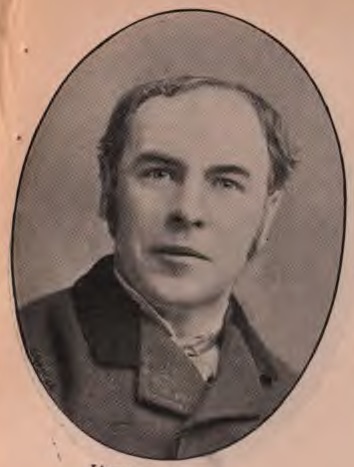
Sir Robert William Perks, 1st Baronet (24 April 1849 – 30 November 1934) was a British Liberal politician, lawyer, financier, and company director.
He was the son of George Thomas Perks (1819–1877), a Wesleyan Methodist preacher (who served as minister of Wesley's Chapel from 1862 to 1865, and was elected president of the Wesleyan Methodist Conference in 1873). Robert W. Perks was educated at Kingswood School (1858–65), then at a private school in Clapham run by Henry Jefferson (former head of Kingswood), and at King's College London (1866–71). He was awarded a number of prestigious prizes at the Kings College prize-ceremonies of July 1867 and July 1868 and passed the Matriculation Examination for entry to London University held in June 1869. He passed the intermediary (also known as "first") examinations for his University of London B.A. in 1870 but never completed that degree. In March 1916 he was appointed a Fellow of King`s College.
He sat the examinations to enter the Indian Civil Service in 1867, 1868 and 1869, unsuccessfully in each case. Shortly after a fourth failed attempt he was articled to a firm of London lawyers in 1870. A key mentor behind his decision to embark on his path into the legal profession was Sir Francis Lycett, a friend and neighbour of George Thomas Perks, and one of the highest profile Wesleyan laymen of this period. Perks qualified as a solicitor in April 1875. He then became a partner in the legal practice of Henry Fowler, 1st Viscount Wolverhampton. Fowler, who was also a high profile Wesleyan layman of this period, and related by marriage to the Perks family, had offered Perks employment in his large Wolverhampton-based practice, but Perks succeeded in persuading him to establish a second legal business in "spacious offices" in the City of London (at 147 Leadenhall Street).
Initially this new practice was titled "Corser, Fowler and Perks". When Fowler`s Wolverhampton-based partner Charles Corser retired in December 1878, this was simplified to "Fowler and Perks" One of the practice`s earliest clients was a second cousin of Perks`s father: George Perks of Perry Barr, Birmingham and Llandudno (1824-1892). In July 1875 George was described as being "the principal mover" in the scheme to equip Llandudno with a "Grand Promenade Pier", assisted by R.W. Perks of "Messrs. Corser, Fowler, and Perks". The only-recently-qualified R.W. Perks registered a limited liability company to take carriage of the scheme, organized the issuance of a prospectus by that company, and navigated the scheme through the Parliamentary process required for the Pier`s authorization. His work on the Llandudno Pier scheme led to Perks being commissioned for other work in North Wales including managing the negotiations required for the promotion and passage of the two Conway Bridge Acts of 1878. These Acts took the Conway Suspension Bridge out of ownership by the British central government and put it into the hands of a local body of bridge commissioners, thus allowing for substantial reductions in the tolls charged for using the bridge. His success with this project led to Perks being commissioned for his first ventures into the organizing of financial arrangements for the building of new railways.
In March 1878 Perks was elected an Associate of the Institution of Civil Engineers. Among the sponsors of his nomination were the engineers for the Llandudno Pier project (James Brunlees and Alexander McKerrow) and John Dixon, the contractor responsible for that project.
In April 1878, Perks married Edith, the youngest daughter of William Mewburn (1817-1900). The best man at this wedding was John Lawson Walton. The couple spent their honeymoon in Ventnor, Isle of White. They lived at "Claverley", Lubbock Road, Chislehurst, Kent from 1878 to 1894, then moving to 11 Kensington Palace Gardens - which remained their principal residence until Perks`s death. Perks retained ownership of the Chislehurst property after moving out in 1894. In the 1921 census Perks`s son and his American-born wife Neysa (nee Cheney) were recorded as living there.
In 1878, Perks attended the Wesleyan Methodist Conference held in Bradford, as one of the first cohort of Lay Representatives to be admitted to attend the Conference. He was the second youngest of those 240 Lay Representatives. In 1881 he was the Wesleyan Representative on the Editorial Committee of the Proceedings of the first Oecumenical Methodist Conference, held at the City Road Chapel, London.
On 31 August 1881, Perks was formally appointed solicitor of London`s Metropolitan Railway Company. Sir Edward Watkin had engaged him as legal adviser to the company`s board of directors in June 1880, following friction between the board and the company`s then solicitors Messrs. Burchell and Co. The company had given Burchells six months` notice of the termination of their engagement on 17 August 1881.
Robert Perks
Sir Robert William Perks, 1st Baronet (24 April 1849 – 30 November 1934) was a British Liberal politician, lawyer, financier, and company director.
He was the son of George Thomas Perks (1819–1877), a Wesleyan Methodist preacher (who served as minister of Wesley's Chapel from 1862 to 1865, and was elected president of the Wesleyan Methodist Conference in 1873). Robert W. Perks was educated at Kingswood School (1858–65), then at a private school in Clapham run by Henry Jefferson (former head of Kingswood), and at King's College London (1866–71). He was awarded a number of prestigious prizes at the Kings College prize-ceremonies of July 1867 and July 1868 and passed the Matriculation Examination for entry to London University held in June 1869. He passed the intermediary (also known as "first") examinations for his University of London B.A. in 1870 but never completed that degree. In March 1916 he was appointed a Fellow of King`s College.
He sat the examinations to enter the Indian Civil Service in 1867, 1868 and 1869, unsuccessfully in each case. Shortly after a fourth failed attempt he was articled to a firm of London lawyers in 1870. A key mentor behind his decision to embark on his path into the legal profession was Sir Francis Lycett, a friend and neighbour of George Thomas Perks, and one of the highest profile Wesleyan laymen of this period. Perks qualified as a solicitor in April 1875. He then became a partner in the legal practice of Henry Fowler, 1st Viscount Wolverhampton. Fowler, who was also a high profile Wesleyan layman of this period, and related by marriage to the Perks family, had offered Perks employment in his large Wolverhampton-based practice, but Perks succeeded in persuading him to establish a second legal business in "spacious offices" in the City of London (at 147 Leadenhall Street).
Initially this new practice was titled "Corser, Fowler and Perks". When Fowler`s Wolverhampton-based partner Charles Corser retired in December 1878, this was simplified to "Fowler and Perks" One of the practice`s earliest clients was a second cousin of Perks`s father: George Perks of Perry Barr, Birmingham and Llandudno (1824-1892). In July 1875 George was described as being "the principal mover" in the scheme to equip Llandudno with a "Grand Promenade Pier", assisted by R.W. Perks of "Messrs. Corser, Fowler, and Perks". The only-recently-qualified R.W. Perks registered a limited liability company to take carriage of the scheme, organized the issuance of a prospectus by that company, and navigated the scheme through the Parliamentary process required for the Pier`s authorization. His work on the Llandudno Pier scheme led to Perks being commissioned for other work in North Wales including managing the negotiations required for the promotion and passage of the two Conway Bridge Acts of 1878. These Acts took the Conway Suspension Bridge out of ownership by the British central government and put it into the hands of a local body of bridge commissioners, thus allowing for substantial reductions in the tolls charged for using the bridge. His success with this project led to Perks being commissioned for his first ventures into the organizing of financial arrangements for the building of new railways.
In March 1878 Perks was elected an Associate of the Institution of Civil Engineers. Among the sponsors of his nomination were the engineers for the Llandudno Pier project (James Brunlees and Alexander McKerrow) and John Dixon, the contractor responsible for that project.
In April 1878, Perks married Edith, the youngest daughter of William Mewburn (1817-1900). The best man at this wedding was John Lawson Walton. The couple spent their honeymoon in Ventnor, Isle of White. They lived at "Claverley", Lubbock Road, Chislehurst, Kent from 1878 to 1894, then moving to 11 Kensington Palace Gardens - which remained their principal residence until Perks`s death. Perks retained ownership of the Chislehurst property after moving out in 1894. In the 1921 census Perks`s son and his American-born wife Neysa (nee Cheney) were recorded as living there.
In 1878, Perks attended the Wesleyan Methodist Conference held in Bradford, as one of the first cohort of Lay Representatives to be admitted to attend the Conference. He was the second youngest of those 240 Lay Representatives. In 1881 he was the Wesleyan Representative on the Editorial Committee of the Proceedings of the first Oecumenical Methodist Conference, held at the City Road Chapel, London.
On 31 August 1881, Perks was formally appointed solicitor of London`s Metropolitan Railway Company. Sir Edward Watkin had engaged him as legal adviser to the company`s board of directors in June 1880, following friction between the board and the company`s then solicitors Messrs. Burchell and Co. The company had given Burchells six months` notice of the termination of their engagement on 17 August 1881.
Recent media
Recent media