Hubbry Logo
Roger LionRoger LionMain
Open search
Roger Lion
Community hub
Roger Lion
logo
8 pages, 0 posts
0 subscribers
Be the first to start a discussion here.
Roger Lion
Roger Lion
from Wikipedia

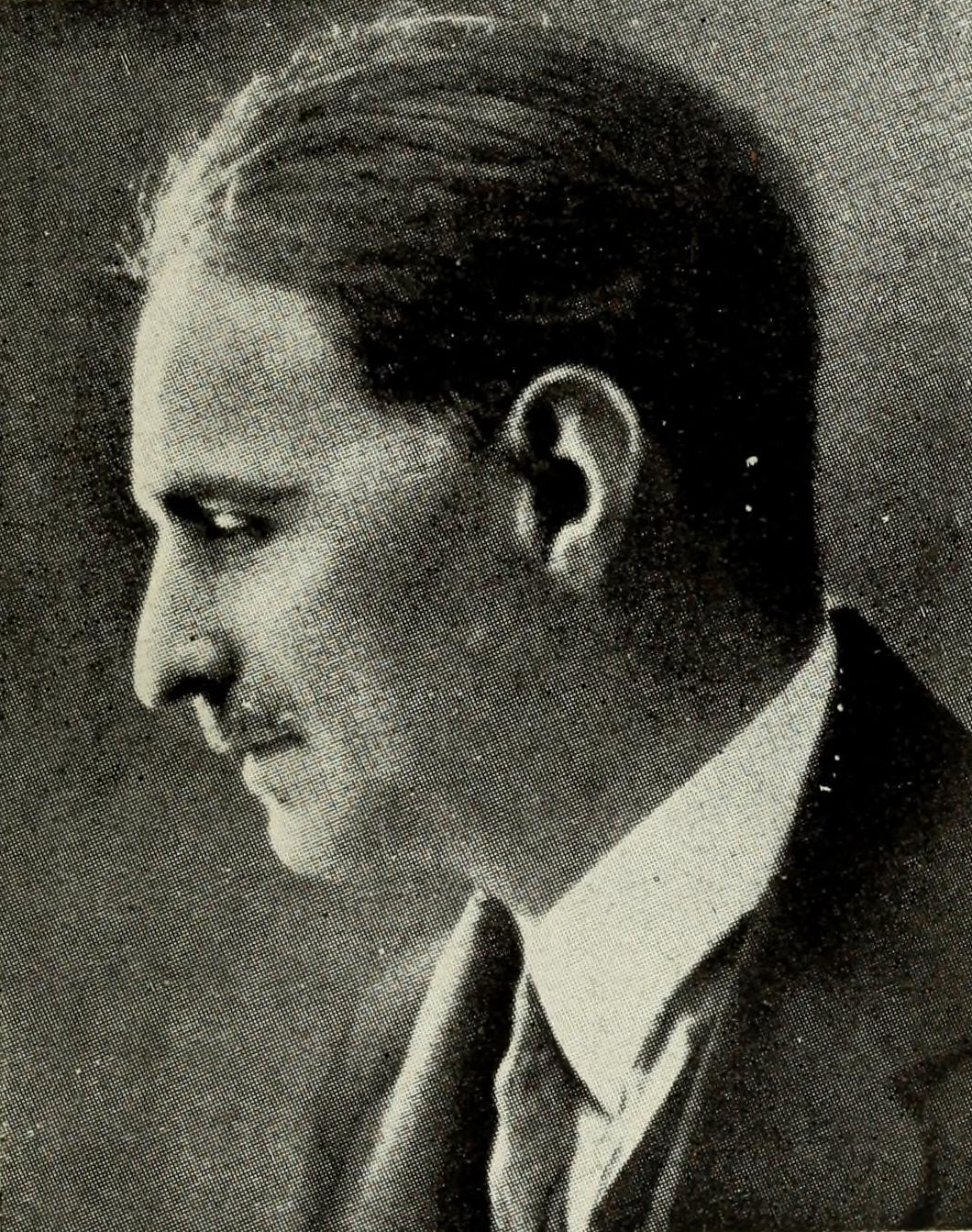
Roger Lion (27 September 1882 – 27 October 1934) was a French film director and screenwriter.

Key Information

Filmography

[edit]
[edit]
Revisions and contributorsEdit on WikipediaRead on Wikipedia
from Grokipedia
Roger Lion (1882–1934) was a French film director, screenwriter, and producer known for his prolific output during the silent film era and the transition to sound cinema in France, as well as his significant contributions to the early development of the Portuguese film industry. Active from the 1910s until his death in 1934, Lion directed and wrote numerous films, frequently taking on multiple creative roles including production. He founded the Société des Auteurs de Films around 1917–1918 and held leadership positions as treasurer and secretary, advocating for film authors' rights. In the early 1920s, he worked in Portugal where he directed and produced several films that helped establish local cinema production. His notable works include Les fiançailles rouges (1927), Y'en a pas deux comme Angélique (1931), Le coucher de la mariée (1933), and Trois balles dans la peau (1934), spanning comedies, dramas, and early sound features in France.

Early life

Birth and early years

Roger Lion was born on September 27, 1882, in Troyes, in the Aube department of France. Little is known about his family background, parents, education, or any occupation prior to his entry into the film industry, as these details are not documented in major film databases and biographical profiles. His early life remains largely obscure, with available sources providing no verified information beyond his birth date and place.

Career

Entry into film and early silent work (1912–1919)

Roger Lion entered the French film industry in 1912, directing his first known work, the short film L'Agence Cacahouète. Born in 1882, he was thirty years old at the time of this debut in the nascent medium of cinema. In the years leading up to and during World War I, Lion primarily worked as a director of short silent films, a format dominant in early French cinema, and he frequently contributed as a screenwriter. His output during this formative period included titles such as La Petite Bretonne (1914), L'Enlèvement de Vénus (1916), Dranem amoureux de Cléopâtre (1916), and Quand Madelon (1917). These shorts reflected the era's emphasis on concise narratives and comedic or light entertainment subjects, with Dranem amoureux de Cléopâtre featuring the popular comedian Dranem. Lion's early career exemplified the transitional phase of French silent filmmaking, where directors often handled multiple creative roles on modest productions before the industry expanded in scale during the 1920s.

Peak silent era (1920–1929)

During the 1920s, Roger Lion reached the height of his productivity as a silent film director, helming a succession of features primarily in France while also undertaking notable international projects. He typically served as both director and screenwriter on his films, shaping their narratives and visual style throughout this prolific period. Though his main contribution remained behind the camera, Lion occasionally appeared as an actor in supporting roles. A significant aspect of his work in the early 1920s involved collaborations outside France, particularly in Portugal, where he directed three films: the adventure drama A Sereia de Pedra (1923), the romantic feature Les Yeux de l'âme (also released as Os Olhos da Alma, 1923), and Aventuras de Agapito (1924). These Portuguese productions reflected his ability to adapt to foreign production contexts during the silent era's international fluidity. Back in France, Lion continued his steady output with titles such as the comedy La Fontaine des amours in 1924, the crime caper Jim la houlette, roi des voleurs in 1926, and the farce Le chasseur de chez Maxim's in 1927. His final silent films included L'Appel de la chair and Amour de louve, both released in 1929, closing out a decade in which he established himself as a reliable director of genre pictures ranging from romance to comedy and drama.

Sound era and final films (1930–1934)

With the introduction of sound technology to French cinema around 1930, Roger Lion directed a number of films during the early years of the talkies. His first sound-era credit was La nuit est à nous (1930), the French version of a multilingual production also directed in part by Carl Froelich and Henry Roussel. He continued with Y'en a pas deux comme Angélique in 1931. Lion's final directing credits came in 1933 with Le Coucher de la mariée, a comedy featuring Suzanne Rissler and Josette Day, and in 1934 with Trois balles dans la peau, a drama. These marked the end of his active filmmaking career in the early sound era.

Death

Roger Lion died on October 27, 1934, in the 7th arrondissement of Paris, France, at the age of 52. According to available sources, the cause of death was an intestinal infection. No verified details regarding funeral arrangements are available.

Legacy

Roger Lion was a prolific French director and screenwriter whose career spanned from 1912 to 1934, encompassing the late silent film era and the initial transition to sound cinema in France. He directed 48 films, including numerous short comedies and dramas in the 1910s and 1920s, as well as features and adaptations during the early sound period. His output reflected the diverse demands of early French cinema, with many works featuring popular comedians or drawing from theatrical sources. In addition to his filmmaking, Lion played a significant role in the institutional development of the industry by founding the Société des Auteurs de Films around 1917 or 1918. He served as its treasurer starting in 1919 and as secretary until his death, contributing to efforts to protect the rights and interests of film authors. His death in 1934 at the age of 52 brought his active career to an end. Critical reevaluation of his contributions remains limited in available sources, with much of his early short work now lost or obscure.
Add your contribution
Related Hubs
User Avatar
No comments yet.