


Community hub
Recent from talks
Contribute something to knowledge base
Content stats: 0 posts, 0 articles, 1 media, 0 notes
Members stats: 0 subscribers, 0 contributors, 0 moderators, 0 supporters
Subscribers
Supporters
Contributors
Moderators
Hub AI
Roy Andersson AI simulator
(@Roy Andersson_simulator)
Hub AI
Roy Andersson AI simulator
(@Roy Andersson_simulator)
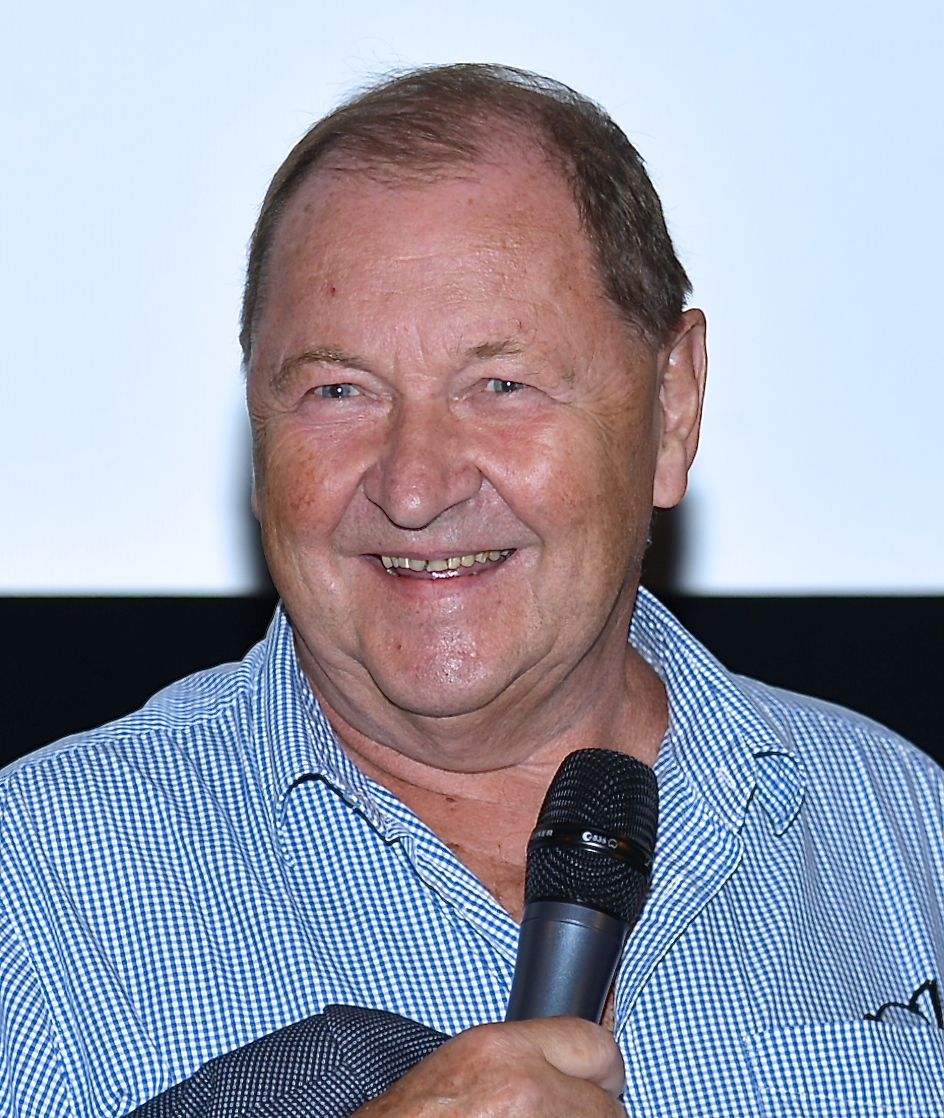
Roy Andersson
Roy Arne Lennart Andersson (born 31 March 1943) is a Swedish film director, best known for his distinctive style of absurdist humor and melancholic depictions of human life. His personal style is characterized by long takes, and stiff caricaturing of Swedish culture and grotesque. Over his career Andersson earned prizes from the Cannes Film Festival, Berlin International Film Festival and Venice International Film Festival.
Andersson spent much of his professional life working on advertisement spots, directing over 400 commercials and two short films; directing six feature-length films in six decades. He made his feature film debut with A Swedish Love Story (1970) followed by Giliap (1975). Anderson received the Cannes Film Festival Jury Prize for Songs from the Second Floor (2000). His film A Pigeon Sat on a Branch Reflecting on Existence (2014) won the Venice International Film Festival's Golden Lion. His other notable films include You, the Living (2007), and About Endlessness (2019).
Roy Arne Lennart Andersson was born on 31 March 1943 in Uddevalla, the eldest of four brothers. He was raised in Hisingen.
He studied literature and philosophy at university, then entered the Swedish Film Institute Film School in 1967.
He directed his first feature-length film, A Swedish Love Story (1969). The film, awarded four prizes the same year at the 20th Berlin International Film Festival, looked at the nature and nuance of young love and turned out to be a major critical and popular success for Andersson. Following this success, Andersson fell into a depression. As he didn't want to get stuck with the same style and expectations he cancelled what was going to be his next project, with the script half-way finished, and skipped a couple of other ideas for plots he had previously planned to realize. Eventually he directed the film Giliap which was released in 1975. The film was a financial and critical disaster. After Giliap, Andersson took a 25-year break from film directing, focusing his efforts mainly on his commercial work.
In 1981 he established Studio 24, an independent film company and studio located in central Stockholm. Later, he directed a short-film commissioned by the Swedish National Board of Health and Welfare entitled Something Happened. Made in 1987, the short was meant to be played at schools all over Sweden as an educational film about AIDS, but was cancelled when it was three-quarters complete because of its overly dark nature and controversial use of sources. The official explanation was that it was "too dark in its message," and it wasn't officially shown until 1993. His next short film, 1991's World of Glory, developed this style even further and was a critical success, winning both the Canal Plus Award and the Press Prize at the 1992 Clermont-Ferrand Short Film Festival. The film is on a top ten list of all-time best short films, set by the Clermont-Ferrand festival.
In March 1996, Andersson began filming Songs from the Second Floor, a film that was completed four years later in May 2000. After its premiere at the 2000 Cannes Film Festival the film also became an international critical success. It won the Jury Prize in Cannes and five Guldbagge Awards in Sweden for best film, direction, cinematography, screenplay and sound. The film was made up of forty-six long tableaux shots, marrying tough, bleak social criticism with his characteristic absurdist dead-pan and surrealism.
Andersson continued his commercial work at Studio 24 and his next film You, the Living premiered at the 2007 Cannes Film Festival as part of the Un Certain Regard selection. The film won the Nordic Council Film Prize in 2008. The Museum of Modern Art in New York City presented a retrospective of Andersson's work in September 2009.
Roy Andersson
Roy Arne Lennart Andersson (born 31 March 1943) is a Swedish film director, best known for his distinctive style of absurdist humor and melancholic depictions of human life. His personal style is characterized by long takes, and stiff caricaturing of Swedish culture and grotesque. Over his career Andersson earned prizes from the Cannes Film Festival, Berlin International Film Festival and Venice International Film Festival.
Andersson spent much of his professional life working on advertisement spots, directing over 400 commercials and two short films; directing six feature-length films in six decades. He made his feature film debut with A Swedish Love Story (1970) followed by Giliap (1975). Anderson received the Cannes Film Festival Jury Prize for Songs from the Second Floor (2000). His film A Pigeon Sat on a Branch Reflecting on Existence (2014) won the Venice International Film Festival's Golden Lion. His other notable films include You, the Living (2007), and About Endlessness (2019).
Roy Arne Lennart Andersson was born on 31 March 1943 in Uddevalla, the eldest of four brothers. He was raised in Hisingen.
He studied literature and philosophy at university, then entered the Swedish Film Institute Film School in 1967.
He directed his first feature-length film, A Swedish Love Story (1969). The film, awarded four prizes the same year at the 20th Berlin International Film Festival, looked at the nature and nuance of young love and turned out to be a major critical and popular success for Andersson. Following this success, Andersson fell into a depression. As he didn't want to get stuck with the same style and expectations he cancelled what was going to be his next project, with the script half-way finished, and skipped a couple of other ideas for plots he had previously planned to realize. Eventually he directed the film Giliap which was released in 1975. The film was a financial and critical disaster. After Giliap, Andersson took a 25-year break from film directing, focusing his efforts mainly on his commercial work.
In 1981 he established Studio 24, an independent film company and studio located in central Stockholm. Later, he directed a short-film commissioned by the Swedish National Board of Health and Welfare entitled Something Happened. Made in 1987, the short was meant to be played at schools all over Sweden as an educational film about AIDS, but was cancelled when it was three-quarters complete because of its overly dark nature and controversial use of sources. The official explanation was that it was "too dark in its message," and it wasn't officially shown until 1993. His next short film, 1991's World of Glory, developed this style even further and was a critical success, winning both the Canal Plus Award and the Press Prize at the 1992 Clermont-Ferrand Short Film Festival. The film is on a top ten list of all-time best short films, set by the Clermont-Ferrand festival.
In March 1996, Andersson began filming Songs from the Second Floor, a film that was completed four years later in May 2000. After its premiere at the 2000 Cannes Film Festival the film also became an international critical success. It won the Jury Prize in Cannes and five Guldbagge Awards in Sweden for best film, direction, cinematography, screenplay and sound. The film was made up of forty-six long tableaux shots, marrying tough, bleak social criticism with his characteristic absurdist dead-pan and surrealism.
Andersson continued his commercial work at Studio 24 and his next film You, the Living premiered at the 2007 Cannes Film Festival as part of the Un Certain Regard selection. The film won the Nordic Council Film Prize in 2008. The Museum of Modern Art in New York City presented a retrospective of Andersson's work in September 2009.
Recent media
Recent media