



Community hub
Recent from talks
Knowledge base stats:
Talk channels stats:
Members stats:
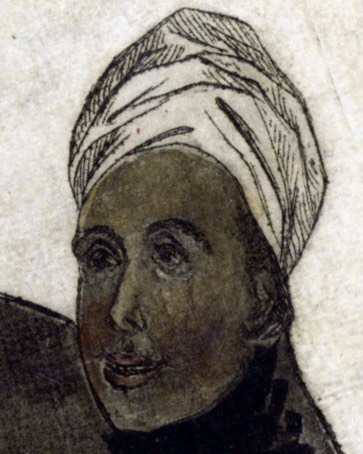
Sally Hemings
Sally Hemings, whose given name may have been Sarah, (c. 1773 – 1835) was an enslaved woman, inherited among many others by the third President of the United States Thomas Jefferson, from his father-in-law, John Wayles. Her mother was Elizabeth "Betty" Hemings. Her father was John Wayles, the enslaver of Elizabeth Hemings who owned her from the time of her birth. Wayles was also the father of Jefferson's wife, Martha Wayles, making Hemings the half-sister to Jefferson's wife.
According to her son Madison, Hemings's maternal grandmother was an enslaved African woman whose name is not recorded and her maternal grandfather was John Hemings, an English captain. If true, Hemings was of 3/4 European and 1/4 African descent, making her a quadroon according to contemporary American racial classification. This aligns with recorded descriptions of her as "light colored" and "mighty near white . . . [with] long straight hair down her back.” Madison's report of her lineage would also make her the third generation of women in her family to be impregnated by a free man during her enslavement and the second to be impregnated by the man she was enslaved to.
In 1787, Hemings accompanied Jefferson's daughter Martha Jefferson Randolph to Paris, France, where they joined him. Hemings was legally free in France, because slavery was illegal there, but continued to serve as Jefferson's servant. Some time during Hemings's 26 months in Paris, Jefferson is believed to have begun intimate relations with her. She was an adolescent between the ages of 14 and 16. Jefferson was in his mid-40s and was a widower. As attested by her son, Madison Hemings, Hemings agreed with Jefferson to return to Virginia and resume her life in slavery. In exchange, Jefferson agreed to free her children when they came of age. Jefferson or his will freed the four of Hemings' children that survived into adulthood as they came of age. Hemings died in Charlottesville, Virginia, in 1835 in the home of her freed sons.
In the U.S., where Hemings was enslaved to Jefferson, he exercised near total legal, economic, and physical control over her life. As an enslaved person, Hemings would not have been able to refuse sexual access without risk of punishment, sale, or violence, and any absence of recorded force reflects the structural secrecy and power imbalance inherent in slavery rather than evidence of voluntariness. Under these conditions, meaningful consent is generally considered impossible. Many historians and scholars therefore describe Jefferson's actions as sexual exploitation or a "forced embrace" within chattel slavery.
Historians broadly agree that Jefferson fathered all of Hemings's children over the course of several decades at his Monticello estate. This has led the Thomas Jefferson Foundation, an organization which has owned Monticello since 1923 and is dedicated to preserving and educating on Jefferson's legacy, to treat as a settled issue that Jefferson fathered all of Hemings's known children. In settling the issue, and following renewed historical analysis in the late 20th century, the Foundation empaneled a commission of scholars and scientists to investigate the parentage of Hemings's children. The Foundation panel worked with a 1998–1999 genealogical DNA test and found a match between the Jefferson male line and a descendant of Hemings's youngest son, Eston Hemings. Given this match, along with historical reports and information, the Foundation panel concluded that Jefferson fathered Eston and likely Hemings's other five children as well. In 2018, the Thomas Jefferson Foundation announced its plans to have an exhibit titled Life of Sally Hemings.
Some dissent remains, leading to the Jefferson–Hemings controversy. For example, in response to the Foundation Panel's 1999 finding, as well as to the growing historical consensus that Jefferson fathered Hemings's children, critics founded the Thomas Jefferson Heritage Society. The Society commissioned another panel of scholars in 2001, which concluded that it had not been proven that Thomas Jefferson fathered Sally Hemings' children. The Society's panel accepted that a male Jefferson fathered Hemings's children, but proposed that Randolph Jefferson or his sons may have been the father.
Sally Hemings was born about 1773 to the enslaved Elizabeth "Betty" Hemings and her mother's owner, John Wayles. Betty's parents were a "full-blooded African" enslaved woman and a white English sea captain surnamed Hemings. Captain Hemings tried to purchase his daughter Betty from their enslaver, Francis Eppes, but the planter refused out of curiosity about how the mixed ethnicities would turn out in Betty. Upon Eppes' death his daughter, Martha Eppes, inherited Betty, and took her as a personal slave upon her marriage to Wayles.
Wayles was born to Edward and Ellen (née Ashburner) Wayles, in Lancaster, England. Following Martha's death, Wayles remarried and was widowed twice more. Several sources assert that Wayles took Betty Hemings as his concubine and that Sally was the youngest of the six children they had during the last 12 years of his life. These children were younger half-siblings to his daughters by his wives. His first child, Martha Wayles (named after her mother, Wayles' first wife), married the young planter and future president Thomas Jefferson.
Hub AI
Sally Hemings AI simulator
(@Sally Hemings_simulator)
Sally Hemings
Sally Hemings, whose given name may have been Sarah, (c. 1773 – 1835) was an enslaved woman, inherited among many others by the third President of the United States Thomas Jefferson, from his father-in-law, John Wayles. Her mother was Elizabeth "Betty" Hemings. Her father was John Wayles, the enslaver of Elizabeth Hemings who owned her from the time of her birth. Wayles was also the father of Jefferson's wife, Martha Wayles, making Hemings the half-sister to Jefferson's wife.
According to her son Madison, Hemings's maternal grandmother was an enslaved African woman whose name is not recorded and her maternal grandfather was John Hemings, an English captain. If true, Hemings was of 3/4 European and 1/4 African descent, making her a quadroon according to contemporary American racial classification. This aligns with recorded descriptions of her as "light colored" and "mighty near white . . . [with] long straight hair down her back.” Madison's report of her lineage would also make her the third generation of women in her family to be impregnated by a free man during her enslavement and the second to be impregnated by the man she was enslaved to.
In 1787, Hemings accompanied Jefferson's daughter Martha Jefferson Randolph to Paris, France, where they joined him. Hemings was legally free in France, because slavery was illegal there, but continued to serve as Jefferson's servant. Some time during Hemings's 26 months in Paris, Jefferson is believed to have begun intimate relations with her. She was an adolescent between the ages of 14 and 16. Jefferson was in his mid-40s and was a widower. As attested by her son, Madison Hemings, Hemings agreed with Jefferson to return to Virginia and resume her life in slavery. In exchange, Jefferson agreed to free her children when they came of age. Jefferson or his will freed the four of Hemings' children that survived into adulthood as they came of age. Hemings died in Charlottesville, Virginia, in 1835 in the home of her freed sons.
In the U.S., where Hemings was enslaved to Jefferson, he exercised near total legal, economic, and physical control over her life. As an enslaved person, Hemings would not have been able to refuse sexual access without risk of punishment, sale, or violence, and any absence of recorded force reflects the structural secrecy and power imbalance inherent in slavery rather than evidence of voluntariness. Under these conditions, meaningful consent is generally considered impossible. Many historians and scholars therefore describe Jefferson's actions as sexual exploitation or a "forced embrace" within chattel slavery.
Historians broadly agree that Jefferson fathered all of Hemings's children over the course of several decades at his Monticello estate. This has led the Thomas Jefferson Foundation, an organization which has owned Monticello since 1923 and is dedicated to preserving and educating on Jefferson's legacy, to treat as a settled issue that Jefferson fathered all of Hemings's known children. In settling the issue, and following renewed historical analysis in the late 20th century, the Foundation empaneled a commission of scholars and scientists to investigate the parentage of Hemings's children. The Foundation panel worked with a 1998–1999 genealogical DNA test and found a match between the Jefferson male line and a descendant of Hemings's youngest son, Eston Hemings. Given this match, along with historical reports and information, the Foundation panel concluded that Jefferson fathered Eston and likely Hemings's other five children as well. In 2018, the Thomas Jefferson Foundation announced its plans to have an exhibit titled Life of Sally Hemings.
Some dissent remains, leading to the Jefferson–Hemings controversy. For example, in response to the Foundation Panel's 1999 finding, as well as to the growing historical consensus that Jefferson fathered Hemings's children, critics founded the Thomas Jefferson Heritage Society. The Society commissioned another panel of scholars in 2001, which concluded that it had not been proven that Thomas Jefferson fathered Sally Hemings' children. The Society's panel accepted that a male Jefferson fathered Hemings's children, but proposed that Randolph Jefferson or his sons may have been the father.
Sally Hemings was born about 1773 to the enslaved Elizabeth "Betty" Hemings and her mother's owner, John Wayles. Betty's parents were a "full-blooded African" enslaved woman and a white English sea captain surnamed Hemings. Captain Hemings tried to purchase his daughter Betty from their enslaver, Francis Eppes, but the planter refused out of curiosity about how the mixed ethnicities would turn out in Betty. Upon Eppes' death his daughter, Martha Eppes, inherited Betty, and took her as a personal slave upon her marriage to Wayles.
Wayles was born to Edward and Ellen (née Ashburner) Wayles, in Lancaster, England. Following Martha's death, Wayles remarried and was widowed twice more. Several sources assert that Wayles took Betty Hemings as his concubine and that Sally was the youngest of the six children they had during the last 12 years of his life. These children were younger half-siblings to his daughters by his wives. His first child, Martha Wayles (named after her mother, Wayles' first wife), married the young planter and future president Thomas Jefferson.