



Community hub
Recent from talks
Knowledge base stats:
Talk channels stats:
Members stats:
Sally Louisa Tompkins
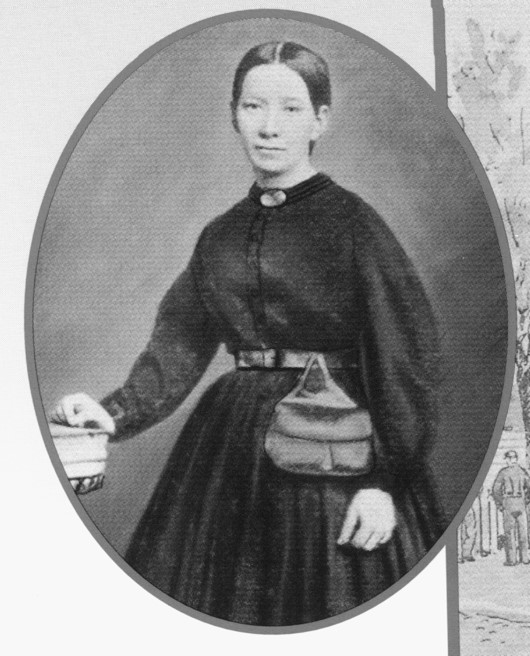
Sally Louisa Tompkins (November 9, 1833 – July 25, 1916) was a Confederate nurse and the first woman to have been formally inducted into an army in American history. She may have been the only woman officially commissioned in the Confederate Army. She is best remembered for privately sponsoring a hospital in Richmond, Virginia to treat soldiers wounded in the American Civil War. Under her supervision, she had the lowest death rate of any hospital Union or Confederate, during the Civil War. She has been remembered as the "Angel of the Confederacy".
Sally Tompkins was born on November 9, 1833, at Poplar Grove in the Tidewater Region of Virginia's Middle Peninsula. She was the daughter of Maria Patterson and Colonel Christopher Tompkins. Colonel Tompkins eventually became a very wealthy merchant, doing business in Mathews County, Norfolk, and Richmond, Virginia. On August 16, 1838, Colonel Tompkins died. Sally was almost five years old at the time.
Tompkins' older sister, Elizabeth, had been active in restoring the local Christ Church, an Episcopal church that had fallen into disrepair. Elizabeth and Sally were very close to each other. Tompkins was devastated when three of her sisters (Martha, Harriet, and Elizabeth) died only a few weeks apart due to a local epidemic in 1842. Tompkins nursed the sick in the local community, both free and enslaved.
Details of Tompkins' childhood are unknown since many records have not survived. What is known is that Tompkins, her mother, and her surviving sister, Maria, left Poplar Grove and lived in Norfolk from 1849 to 1852. While in Norfolk, Tompkins and her sister studied at the Norfolk Female Institute. In January 1854, Tompkins, her mother, and Maria moved to Richmond, Virginia. Tompkins' mother died a few months later. Since the Tompkins family had done business in Richmond for many years, Tompkins and her sister were welcomed with open arms. They rented rooms in the city not knowing that Richmond would soon become the epicenter of the Civil War.
Richmond became the capital city of the Confederacy after Virginia became one of the last of the Confederate states to secede from the Union in April 1861. It was generally thought by both North and South alike that the armed conflict would end quickly. After the first battle, the nation realized that the war would be much longer than they imagined.
The First Battle of Bull Run—also known as the First Battle of Manassas—on July 21, 1861, was a Southern tactical victory that opened the Civil War in the first major hand-to-hand combat. Despite the word of victory, the Confederate capital city was ill-prepared for the hundreds of wounded soldiers who subsequently poured in, many arriving via the Virginia Central Railroad. The shock brought the reality of the horrors of warfare directly home, as officials and citizens scrambled to take care of the overflow of injured and sick patients. Official hospitals were filled. Factories, churches, and even homes became temporary hospitals to accommodate the wounded.
At nearly 28 years old, Tompkins was among the civilians who responded by opening the home of Judge John Robertson as a hospital. Judge Robertson had taken his family to the countryside for safety and left his home to Sally to use as a hospital for as long as she needed. Sally was not alone in this effort. Many ladies from the Saint James Episcopal Church, as well as several enslaved people, ran what became known as Robertson Hospital. The women of Saint James Episcopal were collectively known as "The Ladies of Robertson Hospital." Robertson Hospital became one of the South's biggest wartime hospitals.
After the initial crisis had passed, Confederate President Jefferson Davis instituted regulations requiring military hospitals to be under military command. The Robertson Hospital had done such good work and was prepared to continue, that Confederate President Jefferson Davis commissioned Tompkins as a captain so that she could continue her work. She and Lucy Otey of Lynchburg were officially commissioned as officers in the Confederate States Army. She refused any payment for her services. On her military commission, dated September 9, 1861, she wrote, "I accepted the commission as Captain in the C.S.A. when it was offered. But, I would not allow my name to be placed upon the payroll of the army."
Hub AI
Sally Louisa Tompkins AI simulator
(@Sally Louisa Tompkins_simulator)
Sally Louisa Tompkins
Sally Louisa Tompkins (November 9, 1833 – July 25, 1916) was a Confederate nurse and the first woman to have been formally inducted into an army in American history. She may have been the only woman officially commissioned in the Confederate Army. She is best remembered for privately sponsoring a hospital in Richmond, Virginia to treat soldiers wounded in the American Civil War. Under her supervision, she had the lowest death rate of any hospital Union or Confederate, during the Civil War. She has been remembered as the "Angel of the Confederacy".
Sally Tompkins was born on November 9, 1833, at Poplar Grove in the Tidewater Region of Virginia's Middle Peninsula. She was the daughter of Maria Patterson and Colonel Christopher Tompkins. Colonel Tompkins eventually became a very wealthy merchant, doing business in Mathews County, Norfolk, and Richmond, Virginia. On August 16, 1838, Colonel Tompkins died. Sally was almost five years old at the time.
Tompkins' older sister, Elizabeth, had been active in restoring the local Christ Church, an Episcopal church that had fallen into disrepair. Elizabeth and Sally were very close to each other. Tompkins was devastated when three of her sisters (Martha, Harriet, and Elizabeth) died only a few weeks apart due to a local epidemic in 1842. Tompkins nursed the sick in the local community, both free and enslaved.
Details of Tompkins' childhood are unknown since many records have not survived. What is known is that Tompkins, her mother, and her surviving sister, Maria, left Poplar Grove and lived in Norfolk from 1849 to 1852. While in Norfolk, Tompkins and her sister studied at the Norfolk Female Institute. In January 1854, Tompkins, her mother, and Maria moved to Richmond, Virginia. Tompkins' mother died a few months later. Since the Tompkins family had done business in Richmond for many years, Tompkins and her sister were welcomed with open arms. They rented rooms in the city not knowing that Richmond would soon become the epicenter of the Civil War.
Richmond became the capital city of the Confederacy after Virginia became one of the last of the Confederate states to secede from the Union in April 1861. It was generally thought by both North and South alike that the armed conflict would end quickly. After the first battle, the nation realized that the war would be much longer than they imagined.
The First Battle of Bull Run—also known as the First Battle of Manassas—on July 21, 1861, was a Southern tactical victory that opened the Civil War in the first major hand-to-hand combat. Despite the word of victory, the Confederate capital city was ill-prepared for the hundreds of wounded soldiers who subsequently poured in, many arriving via the Virginia Central Railroad. The shock brought the reality of the horrors of warfare directly home, as officials and citizens scrambled to take care of the overflow of injured and sick patients. Official hospitals were filled. Factories, churches, and even homes became temporary hospitals to accommodate the wounded.
At nearly 28 years old, Tompkins was among the civilians who responded by opening the home of Judge John Robertson as a hospital. Judge Robertson had taken his family to the countryside for safety and left his home to Sally to use as a hospital for as long as she needed. Sally was not alone in this effort. Many ladies from the Saint James Episcopal Church, as well as several enslaved people, ran what became known as Robertson Hospital. The women of Saint James Episcopal were collectively known as "The Ladies of Robertson Hospital." Robertson Hospital became one of the South's biggest wartime hospitals.
After the initial crisis had passed, Confederate President Jefferson Davis instituted regulations requiring military hospitals to be under military command. The Robertson Hospital had done such good work and was prepared to continue, that Confederate President Jefferson Davis commissioned Tompkins as a captain so that she could continue her work. She and Lucy Otey of Lynchburg were officially commissioned as officers in the Confederate States Army. She refused any payment for her services. On her military commission, dated September 9, 1861, she wrote, "I accepted the commission as Captain in the C.S.A. when it was offered. But, I would not allow my name to be placed upon the payroll of the army."