
Recent from talks
Sam Ervin
Knowledge base stats:
Talk channels stats:
Members stats:
Sam Ervin
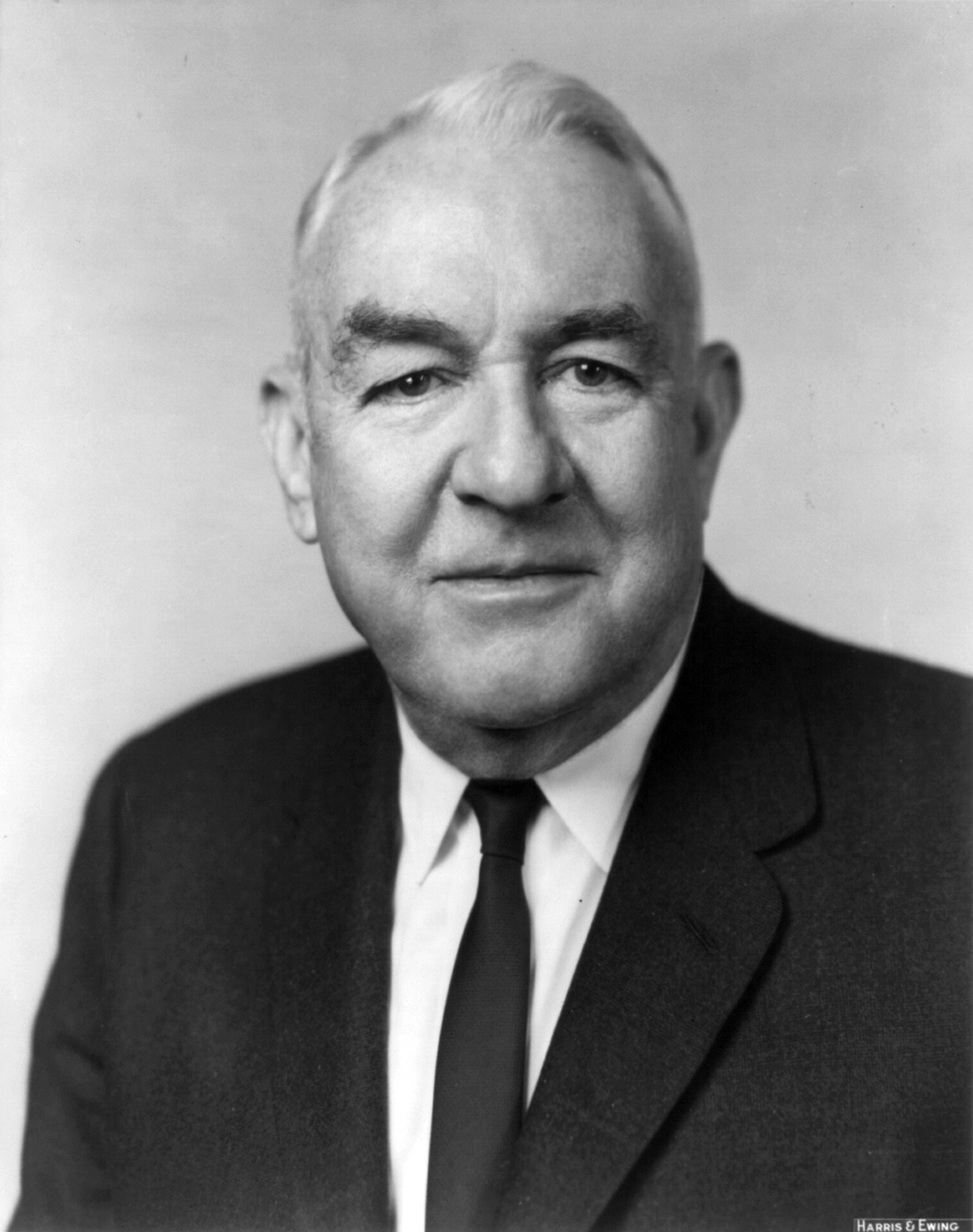
Samuel James Ervin Jr. (September 27, 1896 – April 23, 1985) was an American politician who served as a U.S. Senator from North Carolina from 1954 to 1974. A Southern Democrat, he liked to call himself a "country lawyer", and often told humorous stories in his Southern drawl. During his Senate career, Ervin was at first a staunch defender of Jim Crow laws and racial segregation, as the South's constitutional expert during the congressional debates on civil rights. However, unexpectedly, he became a liberal hero for his support of civil liberties. He is remembered for his work in the investigation committees that brought down Senator Joseph McCarthy in 1954 and especially for his leadership of the Senate committee's investigation of the Watergate scandal that led to the resignation of President Richard Nixon in 1974.
Ervin was born in Morganton, North Carolina, the son of Laura Theresa (Powe) and Samuel James Ervin. He served in the U.S. Army in combat in France during World War I with the First Division at Cantigny and Soissons, and was awarded the Distinguished Service Cross, the Silver Star and two Purple Hearts. He graduated from the University of North Carolina, where he was a member of the Dialectic and Philanthropic Societies, in 1917 and from Harvard Law School in 1922. Ervin was fond of joking that he was the only student ever to go through Harvard Law "backwards", because he took the third-year courses first, then the second-year courses, and finally the first-year courses.
Already admitted to the bar in 1919, before completing law school (later calling himself "a simple country lawyer"), Ervin entered politics straight out of Harvard. Even before he had received his degree, Democrats in Burke County, North Carolina had nominated him in absentia for the North Carolina House of Representatives, to which he was elected in 1922, 1924, and 1930. In 1927, in his role as attorney for Burke County, NC, Ervin served as the legal advisor to the local sheriff during the hunt for Broadus Miller, a black man believed to have murdered a teenaged white girl. The county officials invoked the outlaw provision of the North Carolina constitution which permitted any citizen to kill a declared outlaw without formal charges being brought. Miller was shot down while being pursued and his body displayed in the local courthouse square. Ervin was also elected and served as a state judge in the late 1930s and early 1940s.
In 1948, Ervin was appointed to a seat as an associate justice of the North Carolina Supreme Court vacated by the resignation of Michael Schenck, and was serving in that capacity when he was appointed in June 1954 by Governor William B. Umstead to fill the U.S. Senate seat of Clyde Hoey, who had died in office. He ran successfully for the seat in November 1954.
Ervin made a deep impact on American history through his work on two separate committees at the beginning and ending of his career that were critical in bringing down two powerful opponents: Senator Joe McCarthy in 1954 and President Richard M. Nixon in 1974. In 1954, then-Vice President Richard Nixon appointed Ervin to a committee formed to investigate whether McCarthy should be censured by the Senate. The Senate Select Committee to Investigate Campaign Practices, which investigated Watergate, was popularly known as the "Ervin Committee".
In 1956, Senator Ervin helped organize resistance to the 1954 Brown v. Board of Education Supreme Court decision calling for desegregation of schools by drafting The Southern Manifesto; this influential document encouraged defiance of desegregation and was signed by all but a few of the Southern members of Congress. (In his autobiography, Preserving the Constitution, Ervin said he later changed his mind on the Brown decision, stating that the decision, to the extent it eliminated mandatory segregation, was correct, but that forced integration, required under later decisions, was improper.)
Ervin voted against the Civil Rights Acts of 1957, the Civil Rights Acts of 1960, the Civil Rights Acts of 1964, and the Civil Rights Acts of 1968 as well as the 24th Amendment to the U.S. Constitution and the Voting Rights Act of 1965.
Defenders of Ervin argue that his opposition to most civil rights legislation was based on his commitment to the preservation of the Constitution in its pristine formulation, and a general belief that the Equal Protection Clause of the Constitution only applied to white men. He repeatedly stated that the Constitution encapsulated civil, human and equal rights for all those he considered worthy. There is little if any evidence that he engaged in the racial demagoguery of many of his Southern colleagues. Some historians consider Ervin's position to be one of "cognitive dissonance" because he opposed federal legislation to combat race-based discrimination, but did not do so in harsh terms. While he once maintained that Americans were entitled to "their prejudices as well as their allergies", Ervin's defenders claim he did not seem to be motivated by prejudice himself, but more by his suspicion of federal power. Ervin said he disliked what the Warren Court "has done to the Constitution".
Hub AI
Sam Ervin AI simulator
(@Sam Ervin_simulator)
Sam Ervin
Samuel James Ervin Jr. (September 27, 1896 – April 23, 1985) was an American politician who served as a U.S. Senator from North Carolina from 1954 to 1974. A Southern Democrat, he liked to call himself a "country lawyer", and often told humorous stories in his Southern drawl. During his Senate career, Ervin was at first a staunch defender of Jim Crow laws and racial segregation, as the South's constitutional expert during the congressional debates on civil rights. However, unexpectedly, he became a liberal hero for his support of civil liberties. He is remembered for his work in the investigation committees that brought down Senator Joseph McCarthy in 1954 and especially for his leadership of the Senate committee's investigation of the Watergate scandal that led to the resignation of President Richard Nixon in 1974.
Ervin was born in Morganton, North Carolina, the son of Laura Theresa (Powe) and Samuel James Ervin. He served in the U.S. Army in combat in France during World War I with the First Division at Cantigny and Soissons, and was awarded the Distinguished Service Cross, the Silver Star and two Purple Hearts. He graduated from the University of North Carolina, where he was a member of the Dialectic and Philanthropic Societies, in 1917 and from Harvard Law School in 1922. Ervin was fond of joking that he was the only student ever to go through Harvard Law "backwards", because he took the third-year courses first, then the second-year courses, and finally the first-year courses.
Already admitted to the bar in 1919, before completing law school (later calling himself "a simple country lawyer"), Ervin entered politics straight out of Harvard. Even before he had received his degree, Democrats in Burke County, North Carolina had nominated him in absentia for the North Carolina House of Representatives, to which he was elected in 1922, 1924, and 1930. In 1927, in his role as attorney for Burke County, NC, Ervin served as the legal advisor to the local sheriff during the hunt for Broadus Miller, a black man believed to have murdered a teenaged white girl. The county officials invoked the outlaw provision of the North Carolina constitution which permitted any citizen to kill a declared outlaw without formal charges being brought. Miller was shot down while being pursued and his body displayed in the local courthouse square. Ervin was also elected and served as a state judge in the late 1930s and early 1940s.
In 1948, Ervin was appointed to a seat as an associate justice of the North Carolina Supreme Court vacated by the resignation of Michael Schenck, and was serving in that capacity when he was appointed in June 1954 by Governor William B. Umstead to fill the U.S. Senate seat of Clyde Hoey, who had died in office. He ran successfully for the seat in November 1954.
Ervin made a deep impact on American history through his work on two separate committees at the beginning and ending of his career that were critical in bringing down two powerful opponents: Senator Joe McCarthy in 1954 and President Richard M. Nixon in 1974. In 1954, then-Vice President Richard Nixon appointed Ervin to a committee formed to investigate whether McCarthy should be censured by the Senate. The Senate Select Committee to Investigate Campaign Practices, which investigated Watergate, was popularly known as the "Ervin Committee".
In 1956, Senator Ervin helped organize resistance to the 1954 Brown v. Board of Education Supreme Court decision calling for desegregation of schools by drafting The Southern Manifesto; this influential document encouraged defiance of desegregation and was signed by all but a few of the Southern members of Congress. (In his autobiography, Preserving the Constitution, Ervin said he later changed his mind on the Brown decision, stating that the decision, to the extent it eliminated mandatory segregation, was correct, but that forced integration, required under later decisions, was improper.)
Ervin voted against the Civil Rights Acts of 1957, the Civil Rights Acts of 1960, the Civil Rights Acts of 1964, and the Civil Rights Acts of 1968 as well as the 24th Amendment to the U.S. Constitution and the Voting Rights Act of 1965.
Defenders of Ervin argue that his opposition to most civil rights legislation was based on his commitment to the preservation of the Constitution in its pristine formulation, and a general belief that the Equal Protection Clause of the Constitution only applied to white men. He repeatedly stated that the Constitution encapsulated civil, human and equal rights for all those he considered worthy. There is little if any evidence that he engaged in the racial demagoguery of many of his Southern colleagues. Some historians consider Ervin's position to be one of "cognitive dissonance" because he opposed federal legislation to combat race-based discrimination, but did not do so in harsh terms. While he once maintained that Americans were entitled to "their prejudices as well as their allergies", Ervin's defenders claim he did not seem to be motivated by prejudice himself, but more by his suspicion of federal power. Ervin said he disliked what the Warren Court "has done to the Constitution".
Recent media