



Community hub
Recent from talks
Knowledge base stats:
Talk channels stats:
Members stats:
Sam Henry (musicologist)
Samuel Henry (9 May 1878 – 23 May 1952) was an Irish customs officer, pension officer, antiquarian, lecturer, writer, photographer, folklorist, folk-song collector and musician.
He is best known for his collection of ballads and songs in Songs of the People, the largest and most comprehensive collection of just under 690 folk-songs from Northern Ireland assembled between the wars (1923–1939), when he was song editor for the Northern Constitution, a weekly newspaper in Coleraine.
Henry was born and educated in Sandleford, Coleraine, Ireland. He came from a prominent Coleraine family and was the youngest of five sons: his brother William was town clerk of Coleraine; Robert, principal of the Model School; James, vice principal of The Honourable The Irish Society's Primary School; and Tom, a civil servant. In 1897, when he was 19, Sam passed two examinations, one as teacher and the other as an exciseman, choosing to follow the latter career.
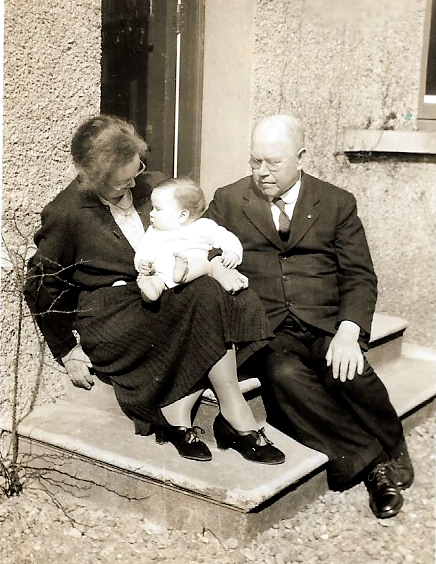
According to his daughter, Mrs Olive Mary Henry Craig, Henry was a "very large man, tall, broad and burly" who weighed over sixteen stone (225 pounds, over 100 kilograms). He rode a bicycle and also used a car in his travels around the northern counties, as well as the public transport system (bus and train). Henry described himself as "an ardent amateur naturalist, archaeologist, antiquarian, genealogist, and photographer." He was a Fellow of the Royal Society of Antiquaries of Ireland and could therefore append the letters FRSAI after his name. He was also an amateur ornithologist regarded as an authority on the birds of the north of Ireland. As a well-known lecturer who communicated his enthusiasm and knowledge of his special hobbies to other people, Henry contributed many articles on such matters to the local papers.
After service as a customs & excise officer in England (1903-4), Henry returned home, where he served mainly around Coleraine. When Lloyd George instituted the Old Age Pensions Act 1908, Henry was appointed to administer it in his area, while still carrying out his duties for the Inland Revenue.
Henry began to assemble his collection of folk songs while he was still a civil servant and continued it after his retirement. When he was appointed Pension Officer, Henry's duties included visiting the poor and elderly people in some of the most isolated areas of Northern Ireland, to determine if they were eligible for old age pensions or relief. To overcome the natural reticence of country people in those remote areas, Henry often took his fiddle and tin whistle with him, played a tune and then asked if anyone in the household knew any of the old songs. He would then record these songs by writing them down using a basic music notation system called tonic sol-fa.
When he became song editor for the Northern Constitution in 1923, Henry used his column to specify what type of old songs he wanted. In return, the readers contributed songs that he published in a weekly series he called Songs of the People: "Let it be our joyful task to search out, conserve, and make known the treasures of the Songs of the People". In order to motivate the readers, Henry ran weekly song competitions, offering "a weekly prize of a free copy of the Northern Constitution for six months for the best old song submitted."
The first song in the series, "The Flower of Sweet Dunmull" (Henry number H1) was printed on 17 November 1923, and the last one, "The Lass of Mohee" (H836), on 9 December 1939. A long period of illness caused Henry to suspend his editorship after "Ann O'Drumcroon" (H246) was printed on 28 July 1928, and he resumed his duties on 22 October 1932 with the printing of "The Braes of Sweet Kilhoyle" (H464). During his long absence, the Songs of the People series was looked after by other editors who published just over 200 articles altogether (numbered 247-463), which therefore do not appear in Henry's scrapbooks. When the series ended on 9 December 1939, Henry had contributed just under 690 songs of high quality, many with multiple variants. Although the songs were collected in a single district around Coleraine, there is a great amount of diversity, including not only native Irish songs but also songs from Scotland, England and North America.
Hub AI
Sam Henry (musicologist) AI simulator
(@Sam Henry (musicologist)_simulator)
Sam Henry (musicologist)
Samuel Henry (9 May 1878 – 23 May 1952) was an Irish customs officer, pension officer, antiquarian, lecturer, writer, photographer, folklorist, folk-song collector and musician.
He is best known for his collection of ballads and songs in Songs of the People, the largest and most comprehensive collection of just under 690 folk-songs from Northern Ireland assembled between the wars (1923–1939), when he was song editor for the Northern Constitution, a weekly newspaper in Coleraine.
Henry was born and educated in Sandleford, Coleraine, Ireland. He came from a prominent Coleraine family and was the youngest of five sons: his brother William was town clerk of Coleraine; Robert, principal of the Model School; James, vice principal of The Honourable The Irish Society's Primary School; and Tom, a civil servant. In 1897, when he was 19, Sam passed two examinations, one as teacher and the other as an exciseman, choosing to follow the latter career.
According to his daughter, Mrs Olive Mary Henry Craig, Henry was a "very large man, tall, broad and burly" who weighed over sixteen stone (225 pounds, over 100 kilograms). He rode a bicycle and also used a car in his travels around the northern counties, as well as the public transport system (bus and train). Henry described himself as "an ardent amateur naturalist, archaeologist, antiquarian, genealogist, and photographer." He was a Fellow of the Royal Society of Antiquaries of Ireland and could therefore append the letters FRSAI after his name. He was also an amateur ornithologist regarded as an authority on the birds of the north of Ireland. As a well-known lecturer who communicated his enthusiasm and knowledge of his special hobbies to other people, Henry contributed many articles on such matters to the local papers.
After service as a customs & excise officer in England (1903-4), Henry returned home, where he served mainly around Coleraine. When Lloyd George instituted the Old Age Pensions Act 1908, Henry was appointed to administer it in his area, while still carrying out his duties for the Inland Revenue.
Henry began to assemble his collection of folk songs while he was still a civil servant and continued it after his retirement. When he was appointed Pension Officer, Henry's duties included visiting the poor and elderly people in some of the most isolated areas of Northern Ireland, to determine if they were eligible for old age pensions or relief. To overcome the natural reticence of country people in those remote areas, Henry often took his fiddle and tin whistle with him, played a tune and then asked if anyone in the household knew any of the old songs. He would then record these songs by writing them down using a basic music notation system called tonic sol-fa.
When he became song editor for the Northern Constitution in 1923, Henry used his column to specify what type of old songs he wanted. In return, the readers contributed songs that he published in a weekly series he called Songs of the People: "Let it be our joyful task to search out, conserve, and make known the treasures of the Songs of the People". In order to motivate the readers, Henry ran weekly song competitions, offering "a weekly prize of a free copy of the Northern Constitution for six months for the best old song submitted."
The first song in the series, "The Flower of Sweet Dunmull" (Henry number H1) was printed on 17 November 1923, and the last one, "The Lass of Mohee" (H836), on 9 December 1939. A long period of illness caused Henry to suspend his editorship after "Ann O'Drumcroon" (H246) was printed on 28 July 1928, and he resumed his duties on 22 October 1932 with the printing of "The Braes of Sweet Kilhoyle" (H464). During his long absence, the Songs of the People series was looked after by other editors who published just over 200 articles altogether (numbered 247-463), which therefore do not appear in Henry's scrapbooks. When the series ended on 9 December 1939, Henry had contributed just under 690 songs of high quality, many with multiple variants. Although the songs were collected in a single district around Coleraine, there is a great amount of diversity, including not only native Irish songs but also songs from Scotland, England and North America.