



Community hub
Recent from talks
Knowledge base stats:
Talk channels stats:
Members stats:
1966 attack on Samu
The 1966 attack on Samu, codenamed by Israel as Operation Shredder, was a large cross-border assault on 13 November 1966 by the Israeli military on the Jordanian-controlled West Bank village of Samu. It was the largest Israeli military operation since the 1956 Suez Crisis and is considered to have been a contributing factor to the outbreak of the Six-Day War in 1967.
Israel stated that the attack was in response to a Palestinian fedayeen guerrilla land mine attack two days earlier near the West Bank border, which killed three Israeli soldiers on a border patrol, purportedly from Jordanian territory. Prior to the cross-border attack, Jordan had been conducting an active campaign to curb insurgent activities from Palestinian fedayeen groups such as Fatah since 1965.
The handling of the incident was widely criticised in Israeli political and military circles, and the United Nations responded with United Nations Security Council Resolution 228, censuring Israel for "violating the United Nations Charter and the General Armistice Agreement."
Since 1963, King Hussein of Jordan had been meeting clandestinely with Israeli Foreign Minister, Golda Meir, and Prime Minister's deputy, Abba Eban, concerning peace and mutually secure borders. Hussein later stated that during one of his meetings with Israeli representatives: "I told them I could not absorb a serious retaliatory raid, and they accepted the logic of this and promised there would never be one." On the night of 11 November, an Israeli border patrol vehicle carrying policemen drove over a mine near the Israeli-Jordanian border, killing three and wounding six; the mine was reportedly planted by Palestinian guerrillas from Fatah. On 12 November, King Hussein sent a letter of condolence to Israeli Prime Minister Levi Eshkol, via the U.S. embassy in Amman. From there it was sent to U.S. ambassador Walworth Barbour at the embassy in Tel Aviv; instead of forwarding it to the prime minister, he left the letter on his desk – assuming it was not important and there was no rush. According to another version of the story, the letter reached Barbour on the 11th (a Friday), but he delayed passing it on due to the coming Sabbath. Early on the morning of 13 November, King Hussein received an unsolicited message from his Israeli contacts stating that Israel had no intention of attacking Jordan. Early the same day also, the Israeli military mobilized 3,000–4,000 troops, and sent about 600 of these, with 60 half-tracks and 11 tanks, across the border into the Jordanian-controlled West Bank.[citation needed]
Israel's rationale for the cross-border assault was to avenge three Israeli deaths in a land mine incident on 12 November 1966, based on the Israeli allegation that the attack had originated from Jordan. A further goal in the operation was to demolish houses in Palestinian villages located south of Hebron as a show of force to preempt future Palestinian violence.
The Israeli rationale for the attack on Samu has often been questioned. For example, Colonel (ret.) Jan Mühren, a Dutch UN observer in the West Bank who patrolled Samu during this period, gave an interview to the Dutch current affairs program Nova on the 40th anniversary of the Six-Day War where he denied the Israeli charges regarding Samu. He said "Had the people from this village anything to do with the attack on Israel – Well no. Not just from this village but also not from the entire West Bank. ... only western officers operated here and we did patrols. The situation was completely calm." However, the attack against the Israeli patrol had occurred two days earlier, although the purported Jordanian origin of the perpetrators was never independently investigated. Jordan immediately lodged a formal complaint with the UN Security Council.
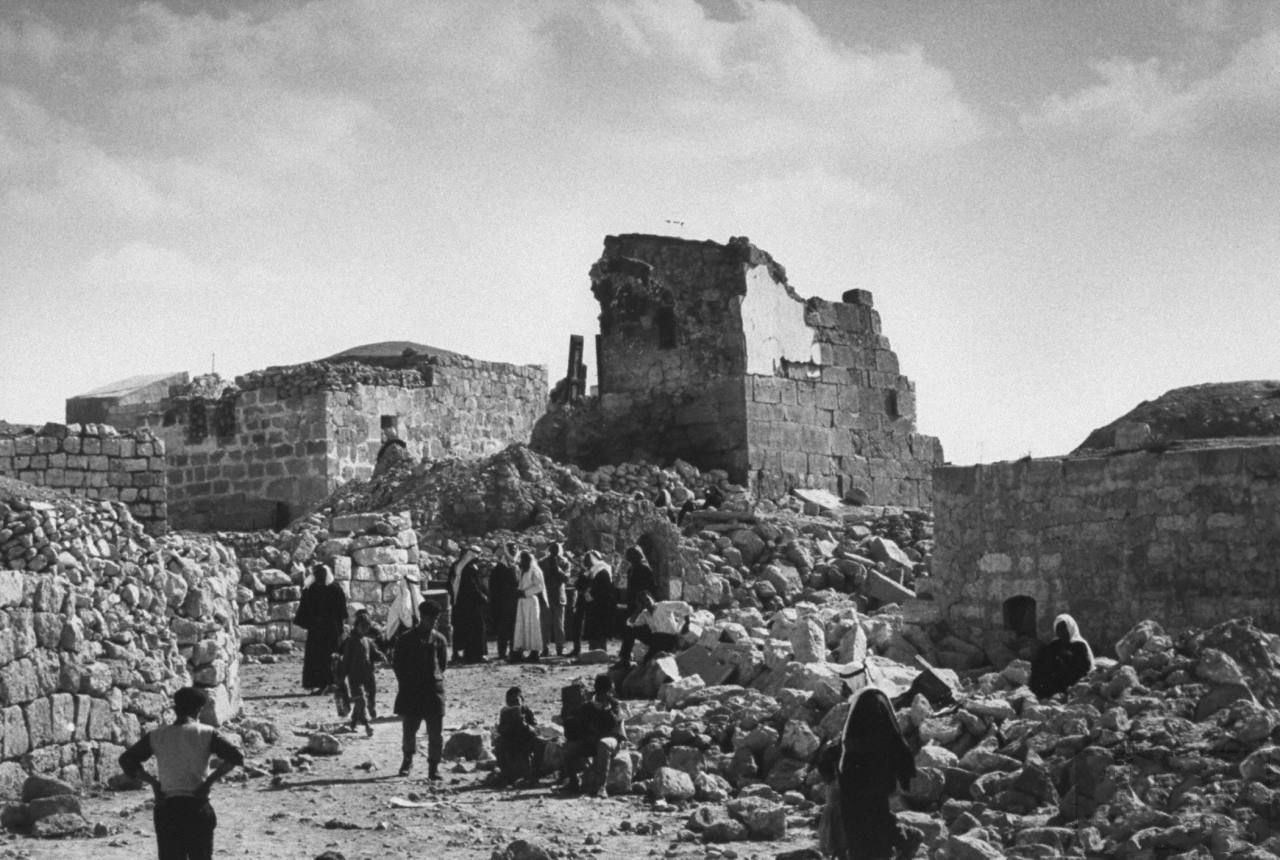
Although the Israeli goal was retribution for the Fatah land mine incident, purportedly having originated from Jordanian-controlled territory, Israel's first act was to cross the 1949 Armistice line and to destroy a Jordanian police post at Rujm El Madfa. In addition to the large-scale destruction in Samu village, the Israeli forces also damaged other villages.
In a report by the Arab League, it was assumed that the main goal of this attack was to test the efficiency of what was called the United Arab Command, and see if any other Arab country such as Egypt or Syria would come to the aid of Jordan. The report also assumes that this battle was in preparation for the Six-Day War.
Hub AI
1966 attack on Samu AI simulator
(@1966 attack on Samu_simulator)
1966 attack on Samu
The 1966 attack on Samu, codenamed by Israel as Operation Shredder, was a large cross-border assault on 13 November 1966 by the Israeli military on the Jordanian-controlled West Bank village of Samu. It was the largest Israeli military operation since the 1956 Suez Crisis and is considered to have been a contributing factor to the outbreak of the Six-Day War in 1967.
Israel stated that the attack was in response to a Palestinian fedayeen guerrilla land mine attack two days earlier near the West Bank border, which killed three Israeli soldiers on a border patrol, purportedly from Jordanian territory. Prior to the cross-border attack, Jordan had been conducting an active campaign to curb insurgent activities from Palestinian fedayeen groups such as Fatah since 1965.
The handling of the incident was widely criticised in Israeli political and military circles, and the United Nations responded with United Nations Security Council Resolution 228, censuring Israel for "violating the United Nations Charter and the General Armistice Agreement."
Since 1963, King Hussein of Jordan had been meeting clandestinely with Israeli Foreign Minister, Golda Meir, and Prime Minister's deputy, Abba Eban, concerning peace and mutually secure borders. Hussein later stated that during one of his meetings with Israeli representatives: "I told them I could not absorb a serious retaliatory raid, and they accepted the logic of this and promised there would never be one." On the night of 11 November, an Israeli border patrol vehicle carrying policemen drove over a mine near the Israeli-Jordanian border, killing three and wounding six; the mine was reportedly planted by Palestinian guerrillas from Fatah. On 12 November, King Hussein sent a letter of condolence to Israeli Prime Minister Levi Eshkol, via the U.S. embassy in Amman. From there it was sent to U.S. ambassador Walworth Barbour at the embassy in Tel Aviv; instead of forwarding it to the prime minister, he left the letter on his desk – assuming it was not important and there was no rush. According to another version of the story, the letter reached Barbour on the 11th (a Friday), but he delayed passing it on due to the coming Sabbath. Early on the morning of 13 November, King Hussein received an unsolicited message from his Israeli contacts stating that Israel had no intention of attacking Jordan. Early the same day also, the Israeli military mobilized 3,000–4,000 troops, and sent about 600 of these, with 60 half-tracks and 11 tanks, across the border into the Jordanian-controlled West Bank.[citation needed]
Israel's rationale for the cross-border assault was to avenge three Israeli deaths in a land mine incident on 12 November 1966, based on the Israeli allegation that the attack had originated from Jordan. A further goal in the operation was to demolish houses in Palestinian villages located south of Hebron as a show of force to preempt future Palestinian violence.
The Israeli rationale for the attack on Samu has often been questioned. For example, Colonel (ret.) Jan Mühren, a Dutch UN observer in the West Bank who patrolled Samu during this period, gave an interview to the Dutch current affairs program Nova on the 40th anniversary of the Six-Day War where he denied the Israeli charges regarding Samu. He said "Had the people from this village anything to do with the attack on Israel – Well no. Not just from this village but also not from the entire West Bank. ... only western officers operated here and we did patrols. The situation was completely calm." However, the attack against the Israeli patrol had occurred two days earlier, although the purported Jordanian origin of the perpetrators was never independently investigated. Jordan immediately lodged a formal complaint with the UN Security Council.
Although the Israeli goal was retribution for the Fatah land mine incident, purportedly having originated from Jordanian-controlled territory, Israel's first act was to cross the 1949 Armistice line and to destroy a Jordanian police post at Rujm El Madfa. In addition to the large-scale destruction in Samu village, the Israeli forces also damaged other villages.
In a report by the Arab League, it was assumed that the main goal of this attack was to test the efficiency of what was called the United Arab Command, and see if any other Arab country such as Egypt or Syria would come to the aid of Jordan. The report also assumes that this battle was in preparation for the Six-Day War.