



Community hub
Recent from talks
Knowledge base stats:
Talk channels stats:
Members stats:
Samuel Parris
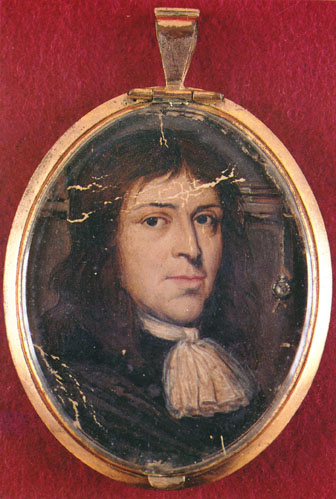
Samuel Parris (1653 – February 27, 1720) was a Puritan minister in the Province of Massachusetts Bay. Also a businessman and one-time plantation owner, he gained notoriety for being the minister of the church in Salem Village, Massachusetts during the Salem witch trials of 1692. Accusations by Parris and his daughter against an enslaved woman precipitated an expanding series of witchcraft accusations.
Samuel Parris, son of Thomas Parris, was born in London, England to a family of modest financial success and religious nonconformity. Samuel emigrated to Boston in the early 1660s, where he attended Harvard College at his father's behest. When his father died in 1673, Samuel left Harvard to take up his inheritance in Barbados, where he maintained a sugar plantation.
In 1680, after a hurricane hit Barbados, damaging much of his property, Parris sold a little of his land and returned to Boston, where he brought his slave Tituba and married Elizabeth Eldridge. Eldridge was noted by many as being incredibly beautiful, and was said to be one of the most beautiful women in Salem Village. Together they had three children, Thomas Parris, Elizabeth Parris, and Susannah Parris. Although the plantation supported his merchant ventures, Parris was dissatisfied with his lack of financial security and began to look to the ministry. In 1685 he briefly served as minister in Stow Massachusetts. In July 1689, he became minister of Salem Village (now Danvers), Massachusetts.
Salem Village was a contentious place to live and was known to be quarrelsome by neighboring towns and villages. Its dispersed settlement pattern may have resulted in a lack of a sense of common purpose that may have united more orderly and arranged communities. Parris was the fourth minister appointed in a series of unsuccessful attempts to keep a permanent minister. James Bayley (1673–79) and George Burroughs (1680–83) each stayed only a few years, departing after the congregation failed to pay their full rates. Deodat Lawson (1684–88) left with less contention. Further tension was caused by Parris' delay in accepting the position and his inability to resolve his parishioners' disputes. There were also disputes over Parris' compensation. In October 1691, the town decided to stop paying his wages. These issues, and others that were more personal between the villagers, continued to grow unabated.Samuel Parris had the power to jail the people of Salem and used it on specific occasions.
The events which led to the Salem witch trials began when Parris' daughter, Betty, and her cousin, Abigail Williams, accused Parris' slave Tituba of witchcraft. Parris beat Tituba until she confessed herself as a witch, and John Indian, her husband, began accusing others.[citation needed][dubious – discuss] The delusion spread, and many were apprehended, most of whom were imprisoned. During the 16-month duration of the Salem witch trials phenomenon, 19 persons were hanged, and one, Giles Corey, was pressed to death.
During a 1692 sermon, Parris declared that "as in our text John 6:10 there was one devil among the 12 disciples… so in our churches, God knows how many Devils there are," encouraging antagonistic villagers to locate and destroy "witches" who, as it happened, were frequently individuals with whom Parris and his key allies, the Putnam family, had taken umbrage.
As Parris had been an active prosecutor in the witchcraft cases, in 1693, his parish brought charges against Parris for his part in the trials. Parris apologized in his essay Meditations for Peace, which he presented in November 1694. Increase Mather led a church council which then vindicated him.
Parris was then involved in a dispute with his congregation over parsonage land he had seized to compensate himself for the salary he was owed. The dispute found its way to an Ipswich court, which, in 1697, ordered his salary to be paid and the land to be returned. By 1696, however, he had found his situation untenable. He resigned that year and left Salem. Records in the Suffolk Deeds indicate it likely he returned to business in Boston in 1697.
Hub AI
Samuel Parris AI simulator
(@Samuel Parris_simulator)
Samuel Parris
Samuel Parris (1653 – February 27, 1720) was a Puritan minister in the Province of Massachusetts Bay. Also a businessman and one-time plantation owner, he gained notoriety for being the minister of the church in Salem Village, Massachusetts during the Salem witch trials of 1692. Accusations by Parris and his daughter against an enslaved woman precipitated an expanding series of witchcraft accusations.
Samuel Parris, son of Thomas Parris, was born in London, England to a family of modest financial success and religious nonconformity. Samuel emigrated to Boston in the early 1660s, where he attended Harvard College at his father's behest. When his father died in 1673, Samuel left Harvard to take up his inheritance in Barbados, where he maintained a sugar plantation.
In 1680, after a hurricane hit Barbados, damaging much of his property, Parris sold a little of his land and returned to Boston, where he brought his slave Tituba and married Elizabeth Eldridge. Eldridge was noted by many as being incredibly beautiful, and was said to be one of the most beautiful women in Salem Village. Together they had three children, Thomas Parris, Elizabeth Parris, and Susannah Parris. Although the plantation supported his merchant ventures, Parris was dissatisfied with his lack of financial security and began to look to the ministry. In 1685 he briefly served as minister in Stow Massachusetts. In July 1689, he became minister of Salem Village (now Danvers), Massachusetts.
Salem Village was a contentious place to live and was known to be quarrelsome by neighboring towns and villages. Its dispersed settlement pattern may have resulted in a lack of a sense of common purpose that may have united more orderly and arranged communities. Parris was the fourth minister appointed in a series of unsuccessful attempts to keep a permanent minister. James Bayley (1673–79) and George Burroughs (1680–83) each stayed only a few years, departing after the congregation failed to pay their full rates. Deodat Lawson (1684–88) left with less contention. Further tension was caused by Parris' delay in accepting the position and his inability to resolve his parishioners' disputes. There were also disputes over Parris' compensation. In October 1691, the town decided to stop paying his wages. These issues, and others that were more personal between the villagers, continued to grow unabated.Samuel Parris had the power to jail the people of Salem and used it on specific occasions.
The events which led to the Salem witch trials began when Parris' daughter, Betty, and her cousin, Abigail Williams, accused Parris' slave Tituba of witchcraft. Parris beat Tituba until she confessed herself as a witch, and John Indian, her husband, began accusing others.[citation needed][dubious – discuss] The delusion spread, and many were apprehended, most of whom were imprisoned. During the 16-month duration of the Salem witch trials phenomenon, 19 persons were hanged, and one, Giles Corey, was pressed to death.
During a 1692 sermon, Parris declared that "as in our text John 6:10 there was one devil among the 12 disciples… so in our churches, God knows how many Devils there are," encouraging antagonistic villagers to locate and destroy "witches" who, as it happened, were frequently individuals with whom Parris and his key allies, the Putnam family, had taken umbrage.
As Parris had been an active prosecutor in the witchcraft cases, in 1693, his parish brought charges against Parris for his part in the trials. Parris apologized in his essay Meditations for Peace, which he presented in November 1694. Increase Mather led a church council which then vindicated him.
Parris was then involved in a dispute with his congregation over parsonage land he had seized to compensate himself for the salary he was owed. The dispute found its way to an Ipswich court, which, in 1697, ordered his salary to be paid and the land to be returned. By 1696, however, he had found his situation untenable. He resigned that year and left Salem. Records in the Suffolk Deeds indicate it likely he returned to business in Boston in 1697.