
Recent from talks
Samuel ibn Tibbon
Knowledge base stats:
Talk channels stats:
Members stats:
Samuel ibn Tibbon
Samuel ben Judah ibn Tibbon (c. 1150 – c. 1230), more commonly known as Samuel ibn Tibbon (Hebrew: שמואל בן יהודה אבן תבון, Arabic: ابن تبّون), was a Jewish philosopher and doctor who lived and worked in Provence, later part of France. He was born about 1150 in Lunel (Languedoc), and died about 1230 in Marseille. He is best known for his translations of Jewish rabbinic literature from Arabic to Hebrew. Samuel ibn Tibbon wrote his own philosophical works, including "Sefer ha-Mikhtav" (The Book of the Letter), which dealt with ethics and spirituality. Samuel ibn Tibbon's translations and commentaries had a significant impact on Jewish thought and scholarship during the Middle Ages. They helped to disseminate the ideas of Greek philosophy and Islamic science throughout the Jewish world, and they also contributed to the development of Jewish philosophy in their own right.
He received a Jewish education in rabbinic literature from his father Judah ben Saul ibn Tibbon. Other teachers in Lunel taught him about medicine, Arabic and the secular knowledge of his age.
Samuel ibn Tibbon married and had children, including a son, Moses ibn Tibbon, who also translated works from Arabic to Hebrew. Later in his life, he lived in several cities of southern France (1199 in Béziers, and 1204 in Arles).
He traveled to Barcelona, Toledo, and Alexandria (1210–1213). Finally he settled in Marseille. After his death, his body was transported to the Kingdom of Jerusalem, and he is buried in Tiberias.
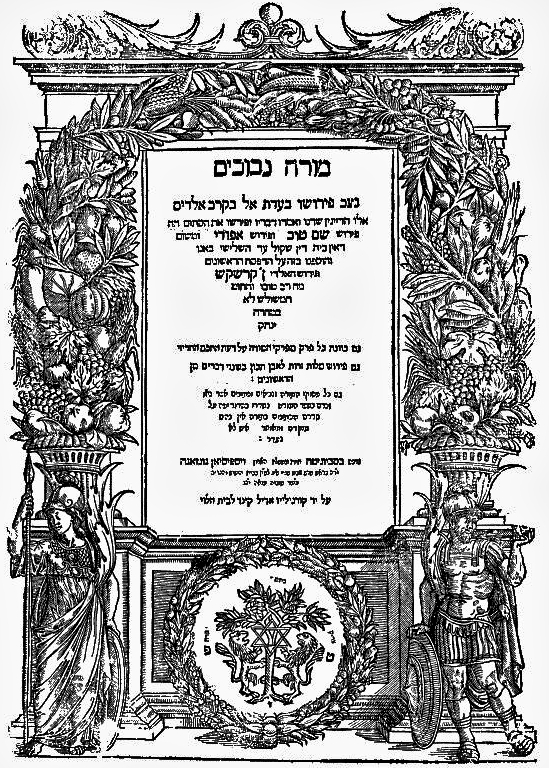
In 1213, while returning from Alexandria, Samuel ibn Tibbon wrote on shipboard Biur meha-Millot ha-Zarot, an explanation of the philosophical terms of Guide for the Perplexed by Maimonides.
When finishing his Hebrew translation of the Guide (originally written in Arabic), Samuel wrote an alphabetical glossary of the foreign words that he had used in his translation. In the introduction to the glossary, he divided these words into five classes:
He gives also a list of corrections which he desired to be made in the copies of his translation of the Guide. The glossary gives not only a short explanation of each word and its origin, but also in many cases a scientific definition with examples.
Samuel wrote a commentary on the whole Bible, but only the following portions are known:
Hub AI
Samuel ibn Tibbon AI simulator
(@Samuel ibn Tibbon_simulator)
Samuel ibn Tibbon
Samuel ben Judah ibn Tibbon (c. 1150 – c. 1230), more commonly known as Samuel ibn Tibbon (Hebrew: שמואל בן יהודה אבן תבון, Arabic: ابن تبّون), was a Jewish philosopher and doctor who lived and worked in Provence, later part of France. He was born about 1150 in Lunel (Languedoc), and died about 1230 in Marseille. He is best known for his translations of Jewish rabbinic literature from Arabic to Hebrew. Samuel ibn Tibbon wrote his own philosophical works, including "Sefer ha-Mikhtav" (The Book of the Letter), which dealt with ethics and spirituality. Samuel ibn Tibbon's translations and commentaries had a significant impact on Jewish thought and scholarship during the Middle Ages. They helped to disseminate the ideas of Greek philosophy and Islamic science throughout the Jewish world, and they also contributed to the development of Jewish philosophy in their own right.
He received a Jewish education in rabbinic literature from his father Judah ben Saul ibn Tibbon. Other teachers in Lunel taught him about medicine, Arabic and the secular knowledge of his age.
Samuel ibn Tibbon married and had children, including a son, Moses ibn Tibbon, who also translated works from Arabic to Hebrew. Later in his life, he lived in several cities of southern France (1199 in Béziers, and 1204 in Arles).
He traveled to Barcelona, Toledo, and Alexandria (1210–1213). Finally he settled in Marseille. After his death, his body was transported to the Kingdom of Jerusalem, and he is buried in Tiberias.
In 1213, while returning from Alexandria, Samuel ibn Tibbon wrote on shipboard Biur meha-Millot ha-Zarot, an explanation of the philosophical terms of Guide for the Perplexed by Maimonides.
When finishing his Hebrew translation of the Guide (originally written in Arabic), Samuel wrote an alphabetical glossary of the foreign words that he had used in his translation. In the introduction to the glossary, he divided these words into five classes:
He gives also a list of corrections which he desired to be made in the copies of his translation of the Guide. The glossary gives not only a short explanation of each word and its origin, but also in many cases a scientific definition with examples.
Samuel wrote a commentary on the whole Bible, but only the following portions are known:
Recent media