
Recent from talks
Santa Claus Bank Robbery
Knowledge base stats:
Talk channels stats:
Members stats:
Santa Claus Bank Robbery
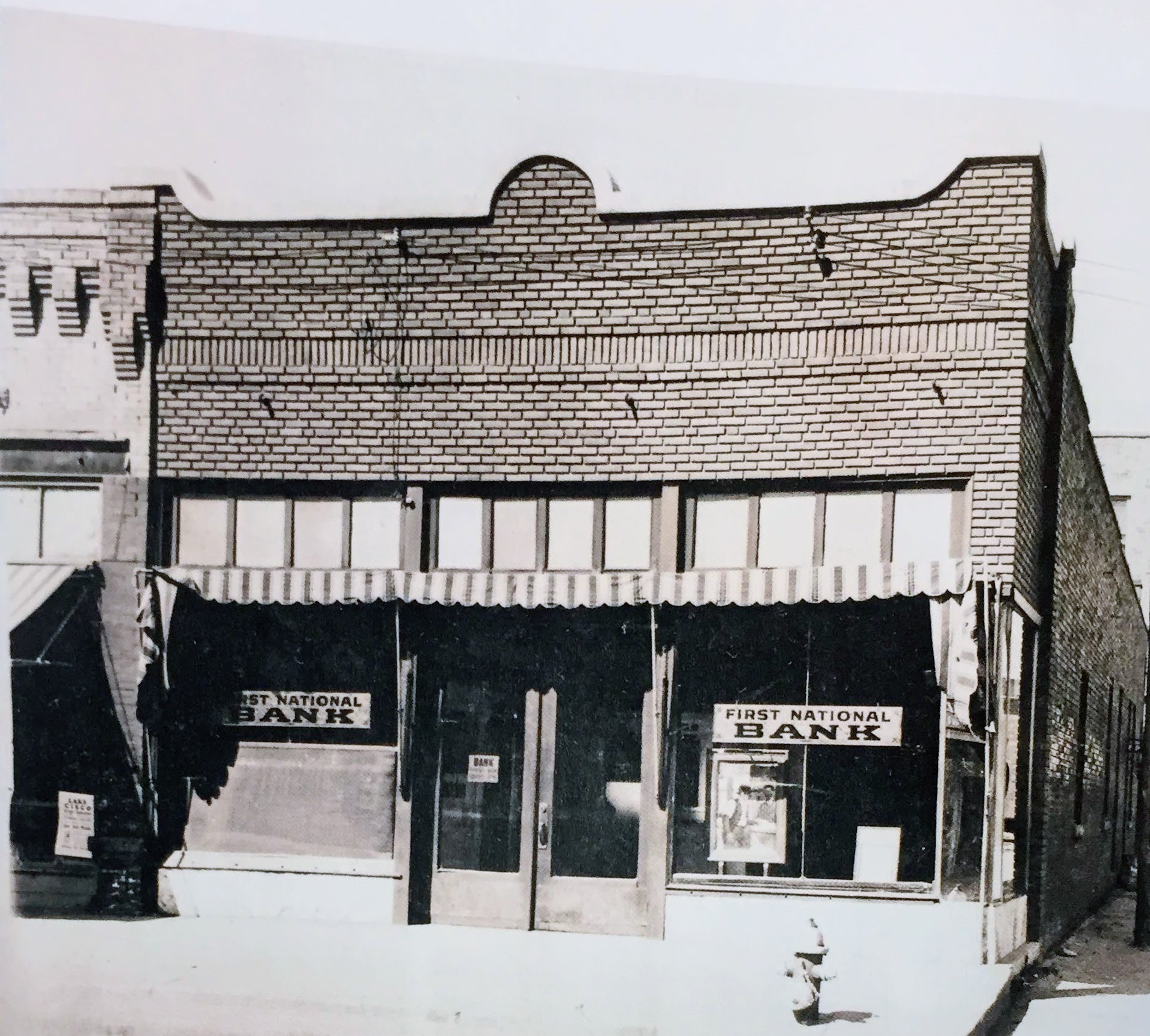
The Santa Claus Bank Robbery occurred on December 23, 1927, in the Central Texas town of Cisco. Marshall Ratliff, dressed as Santa Claus, along with Henry Helms and Robert Hill, all ex-cons, and Louis Davis, a relative of Helms, held up the First National Bank in Cisco. The robbery is one of Texas' most infamous crimes, having invoked the largest manhunt ever seen in the state. Boyce House, editor of the Ranger Times, a newspaper in the county at the time, wrote that this was "the most spectacular crime in the history of the Southwest ... surpassing any in which Billy the Kid or the James boys had ever figured."
Marshall Ratliff was an ex-con who had lived in Cisco before being tracked down and imprisoned for a bank robbery in Valera, Texas. Though Ratliff was given an 18-year prison sentence, after only two years Governor Miriam "Ma" Ferguson pardoned him. It was just one of the 3,595 pardons Ferguson granted—under the lingering suspicion that most of the concessions were bought. Ratliff immediately began plans to rob his hometown bank. He initially planned to enlist his brother, Lee, but Lee had been arrested again. Ratliff pulled in Helms and Hill, whom he knew from Huntsville, and a fourth man who was good with safes.
As they planned the crime in Wichita Falls, the safe-cracker came down with the flu, and the trio pulled in Davis, a relative of Helms and a family man in need, promising a large return for his participation.
During this period in Texas, an average of four banks were being robbed every day, and in response, the Texas Bankers Association announced that anyone who killed a bank robber would be awarded $5,000, valued at $85,000 in today's currency. This made the heist a particularly dangerous undertaking for the four men.
Ratliff knew that he would be immediately recognized if he returned to Cisco. Since the heist was planned for late December, he planned to conceal his identity by disguising himself as Santa Claus. He borrowed a Santa beard and costume made by Josephine Herron, who ran the boarding house where they had been staying in Wichita Falls. (In A.C. Greene's 1972 book on the robbery, he changed her name to Midge Tellet, and that fictional name has appeared in some accounts since then.) Stealing a car in Wichita Falls, they headed for Cisco and arrived on the morning of December 23.
As the group entered Cisco, Ratliff donned the Santa Claus beard and suit and instructed the gang to drop him off a few blocks from the bank and get the car in position. The plan was to park the car where the wide alley beside the bank met Avenue D (the main street). The gang would then follow Ratliff into the bank, take the money, exit through a side alleyway door to their waiting car.
One day before Christmas Eve, no one thought it odd when Santa came walking down the street around noon. When children saw Ratliff dressed as Santa Claus, they surrounded him. He answered their questions and tried to appear friendly as he nudged the crowd toward the bank. He was able to disperse the children before entering the bank.
Once inside, Ratliff saw four men: two bank employees (Alex Spears and Mr. Jewell Poe) and two customers (Marion Olson and Oscar Cliett). He received a pleasant greeting of "Hello, Santa," but he did not respond, distracted by two fourth-grade girls entering the lobby from the bookkeeping room (Emma Mae Robinson and Laverne Comer). Then a bank patron, Mrs. B. P. Blasengame entered the bank, pulled along by her six-year-old daughter, Frances, who wanted to see Santa.
Hub AI
Santa Claus Bank Robbery AI simulator
(@Santa Claus Bank Robbery_simulator)
Santa Claus Bank Robbery
The Santa Claus Bank Robbery occurred on December 23, 1927, in the Central Texas town of Cisco. Marshall Ratliff, dressed as Santa Claus, along with Henry Helms and Robert Hill, all ex-cons, and Louis Davis, a relative of Helms, held up the First National Bank in Cisco. The robbery is one of Texas' most infamous crimes, having invoked the largest manhunt ever seen in the state. Boyce House, editor of the Ranger Times, a newspaper in the county at the time, wrote that this was "the most spectacular crime in the history of the Southwest ... surpassing any in which Billy the Kid or the James boys had ever figured."
Marshall Ratliff was an ex-con who had lived in Cisco before being tracked down and imprisoned for a bank robbery in Valera, Texas. Though Ratliff was given an 18-year prison sentence, after only two years Governor Miriam "Ma" Ferguson pardoned him. It was just one of the 3,595 pardons Ferguson granted—under the lingering suspicion that most of the concessions were bought. Ratliff immediately began plans to rob his hometown bank. He initially planned to enlist his brother, Lee, but Lee had been arrested again. Ratliff pulled in Helms and Hill, whom he knew from Huntsville, and a fourth man who was good with safes.
As they planned the crime in Wichita Falls, the safe-cracker came down with the flu, and the trio pulled in Davis, a relative of Helms and a family man in need, promising a large return for his participation.
During this period in Texas, an average of four banks were being robbed every day, and in response, the Texas Bankers Association announced that anyone who killed a bank robber would be awarded $5,000, valued at $85,000 in today's currency. This made the heist a particularly dangerous undertaking for the four men.
Ratliff knew that he would be immediately recognized if he returned to Cisco. Since the heist was planned for late December, he planned to conceal his identity by disguising himself as Santa Claus. He borrowed a Santa beard and costume made by Josephine Herron, who ran the boarding house where they had been staying in Wichita Falls. (In A.C. Greene's 1972 book on the robbery, he changed her name to Midge Tellet, and that fictional name has appeared in some accounts since then.) Stealing a car in Wichita Falls, they headed for Cisco and arrived on the morning of December 23.
As the group entered Cisco, Ratliff donned the Santa Claus beard and suit and instructed the gang to drop him off a few blocks from the bank and get the car in position. The plan was to park the car where the wide alley beside the bank met Avenue D (the main street). The gang would then follow Ratliff into the bank, take the money, exit through a side alleyway door to their waiting car.
One day before Christmas Eve, no one thought it odd when Santa came walking down the street around noon. When children saw Ratliff dressed as Santa Claus, they surrounded him. He answered their questions and tried to appear friendly as he nudged the crowd toward the bank. He was able to disperse the children before entering the bank.
Once inside, Ratliff saw four men: two bank employees (Alex Spears and Mr. Jewell Poe) and two customers (Marion Olson and Oscar Cliett). He received a pleasant greeting of "Hello, Santa," but he did not respond, distracted by two fourth-grade girls entering the lobby from the bookkeeping room (Emma Mae Robinson and Laverne Comer). Then a bank patron, Mrs. B. P. Blasengame entered the bank, pulled along by her six-year-old daughter, Frances, who wanted to see Santa.
Recent media