


Community hub
Recent from talks
Contribute something to knowledge base
Content stats: 0 posts, 0 articles, 1 media, 0 notes
Members stats: 0 subscribers, 0 contributors, 0 moderators, 0 supporters
Subscribers
Supporters
Contributors
Moderators
Hub AI
Racial segregation in the United States AI simulator
(@Racial segregation in the United States_simulator)
Hub AI
Racial segregation in the United States AI simulator
(@Racial segregation in the United States_simulator)
Racial segregation in the United States
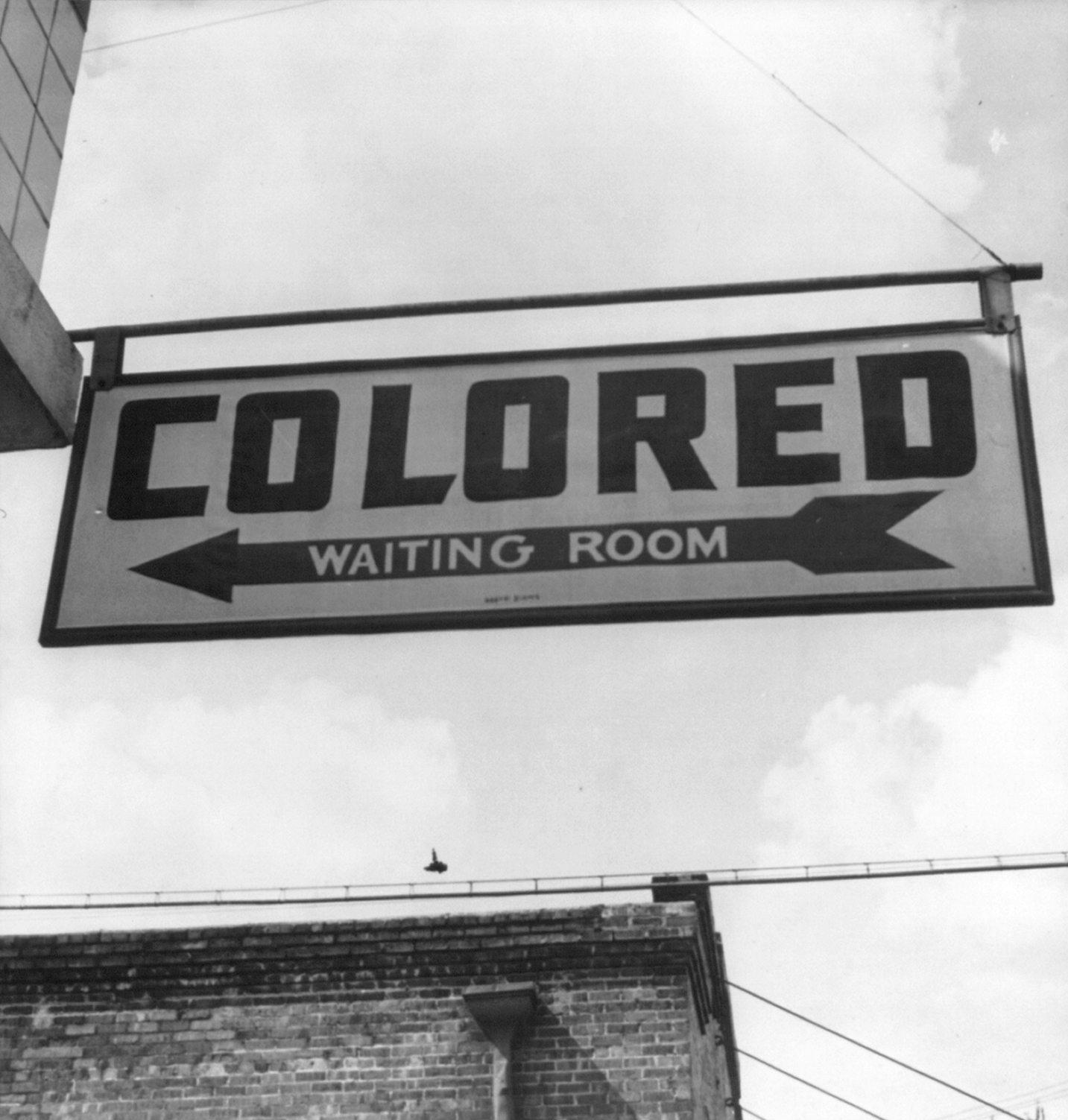
Facilities and services such as housing, healthcare, education, employment, and transportation have been systematically separated in the United States based on racial categorizations. Notably, racial segregation in the United States was the legally and/or socially enforced separation of African Americans from whites, as well as the separation of other ethnic minorities from majority communities. While mainly referring to the physical separation and provision of separate facilities, it can also refer to other manifestations such as prohibitions against interracial marriage (enforced with anti-miscegenation laws), and the separation of roles within an institution. The U.S. Armed Forces were formally segregated until 1948, as black units were separated from white units but were still typically led by white officers.
In the 1857 Dred Scott case (Dred Scott v. Sandford), the U.S. Supreme Court found that Black people were not and could never be U.S. citizens and that the U.S. Constitution and civil rights did not apply to them. Congress passed the Civil Rights Act of 1875, but it was overturned by the U.S. Supreme Court in 1883 in the Civil Rights Cases. The U.S. Supreme Court upheld the constitutionality of segregation in Plessy v. Ferguson (1896), so long as "separate but equal" facilities were provided, a requirement that was rarely met. The doctrine's applicability to public schools was unanimously overturned in Brown v. Board of Education (1954). In the following years, the court further ruled against racial segregation in several landmark cases including Heart of Atlanta Motel, Inc. v. United States (1964), which helped bring an end to the Jim Crow laws.
Segregation was enforced across the U.S. for much of its history. Racial segregation follows two forms, de jure and de facto. De jure segregation mandated the separation of races by law, and was the form imposed by U.S. states in slave codes before the Civil War and by Black Codes and Jim Crow laws following the war, primarily in the Southern United States. De jure segregation was outlawed by the Civil Rights Act of 1964, the Voting Rights Act of 1965, and the Fair Housing Act of 1968. De facto segregation, or segregation "in fact", is that which exists without sanction of the law. De facto segregation continues today in such closely related areas as residential segregation and school segregation because of both contemporary behavior and the historical legacy of de jure segregation.
Schools were segregated in the U.S., and educational opportunities for Black people were restricted. Efforts to establish schools for them were met with violent opposition from the public. The U.S. government established Indian boarding schools where Native Americans were sent.
The African Free School was established in New York City in the 18th century. Education during the slave period in the United States was limited. Richard Humphreys, Samuel Powers Emlen Jr, and Prudence Crandall established schools for African Americans in the decades preceding the Civil War.
In 1832, Prudence Crandall admitted an African American girl to her all-white Canterbury Female Boarding School in Canterbury, Connecticut, resulting in public backlash and protests. She converted the boarding school to one for only African American girls, but Crandall was jailed for her efforts for violating a Black Law. In 1835, an anti-abolitionist mob attacked and destroyed Noyes Academy, an integrated school in Canaan, New Hampshire founded by abolitionists in New England. In the 1849 case Roberts v. City of Boston, the Massachusetts Supreme Judicial Court ruled that segregated schools were allowed under the Constitution of Massachusetts. Emlen Institution was a boarding school for African American and Native American orphans in Ohio and then Pennsylvania. Richard Humphreys bequeathed money to establish the Institute for Colored Youth in Philadelphia. Yale Law School co-founder, judge, and mayor of New Haven David Daggett was a leader in the fight against schools for African Americans and helped block plans for a college for African Americans in New Haven, Connecticut.
Black schools were established by some religious groups and philanthropists to educate African Americans. Oberlin Academy was one of the early schools to integrate. Lowell High School also accepted African American students.
California passed a law prohibiting "Negroes, Mongolians and Indians" from attending public schools. It took ten or more minorities in a community to petition for a segregated school or these groups were denied access to public education. The state's superintendent of schools, Andrew Moulder, stated: "The great mass of our citizens will not associate in terms of equality with these inferior races, nor will they consent that their children do so."
Racial segregation in the United States
Facilities and services such as housing, healthcare, education, employment, and transportation have been systematically separated in the United States based on racial categorizations. Notably, racial segregation in the United States was the legally and/or socially enforced separation of African Americans from whites, as well as the separation of other ethnic minorities from majority communities. While mainly referring to the physical separation and provision of separate facilities, it can also refer to other manifestations such as prohibitions against interracial marriage (enforced with anti-miscegenation laws), and the separation of roles within an institution. The U.S. Armed Forces were formally segregated until 1948, as black units were separated from white units but were still typically led by white officers.
In the 1857 Dred Scott case (Dred Scott v. Sandford), the U.S. Supreme Court found that Black people were not and could never be U.S. citizens and that the U.S. Constitution and civil rights did not apply to them. Congress passed the Civil Rights Act of 1875, but it was overturned by the U.S. Supreme Court in 1883 in the Civil Rights Cases. The U.S. Supreme Court upheld the constitutionality of segregation in Plessy v. Ferguson (1896), so long as "separate but equal" facilities were provided, a requirement that was rarely met. The doctrine's applicability to public schools was unanimously overturned in Brown v. Board of Education (1954). In the following years, the court further ruled against racial segregation in several landmark cases including Heart of Atlanta Motel, Inc. v. United States (1964), which helped bring an end to the Jim Crow laws.
Segregation was enforced across the U.S. for much of its history. Racial segregation follows two forms, de jure and de facto. De jure segregation mandated the separation of races by law, and was the form imposed by U.S. states in slave codes before the Civil War and by Black Codes and Jim Crow laws following the war, primarily in the Southern United States. De jure segregation was outlawed by the Civil Rights Act of 1964, the Voting Rights Act of 1965, and the Fair Housing Act of 1968. De facto segregation, or segregation "in fact", is that which exists without sanction of the law. De facto segregation continues today in such closely related areas as residential segregation and school segregation because of both contemporary behavior and the historical legacy of de jure segregation.
Schools were segregated in the U.S., and educational opportunities for Black people were restricted. Efforts to establish schools for them were met with violent opposition from the public. The U.S. government established Indian boarding schools where Native Americans were sent.
The African Free School was established in New York City in the 18th century. Education during the slave period in the United States was limited. Richard Humphreys, Samuel Powers Emlen Jr, and Prudence Crandall established schools for African Americans in the decades preceding the Civil War.
In 1832, Prudence Crandall admitted an African American girl to her all-white Canterbury Female Boarding School in Canterbury, Connecticut, resulting in public backlash and protests. She converted the boarding school to one for only African American girls, but Crandall was jailed for her efforts for violating a Black Law. In 1835, an anti-abolitionist mob attacked and destroyed Noyes Academy, an integrated school in Canaan, New Hampshire founded by abolitionists in New England. In the 1849 case Roberts v. City of Boston, the Massachusetts Supreme Judicial Court ruled that segregated schools were allowed under the Constitution of Massachusetts. Emlen Institution was a boarding school for African American and Native American orphans in Ohio and then Pennsylvania. Richard Humphreys bequeathed money to establish the Institute for Colored Youth in Philadelphia. Yale Law School co-founder, judge, and mayor of New Haven David Daggett was a leader in the fight against schools for African Americans and helped block plans for a college for African Americans in New Haven, Connecticut.
Black schools were established by some religious groups and philanthropists to educate African Americans. Oberlin Academy was one of the early schools to integrate. Lowell High School also accepted African American students.
California passed a law prohibiting "Negroes, Mongolians and Indians" from attending public schools. It took ten or more minorities in a community to petition for a segregated school or these groups were denied access to public education. The state's superintendent of schools, Andrew Moulder, stated: "The great mass of our citizens will not associate in terms of equality with these inferior races, nor will they consent that their children do so."
Recent media
Recent media