



Community hub
Recent from talks
Knowledge base stats:
Talk channels stats:
Members stats:
Sesshū Tōyō
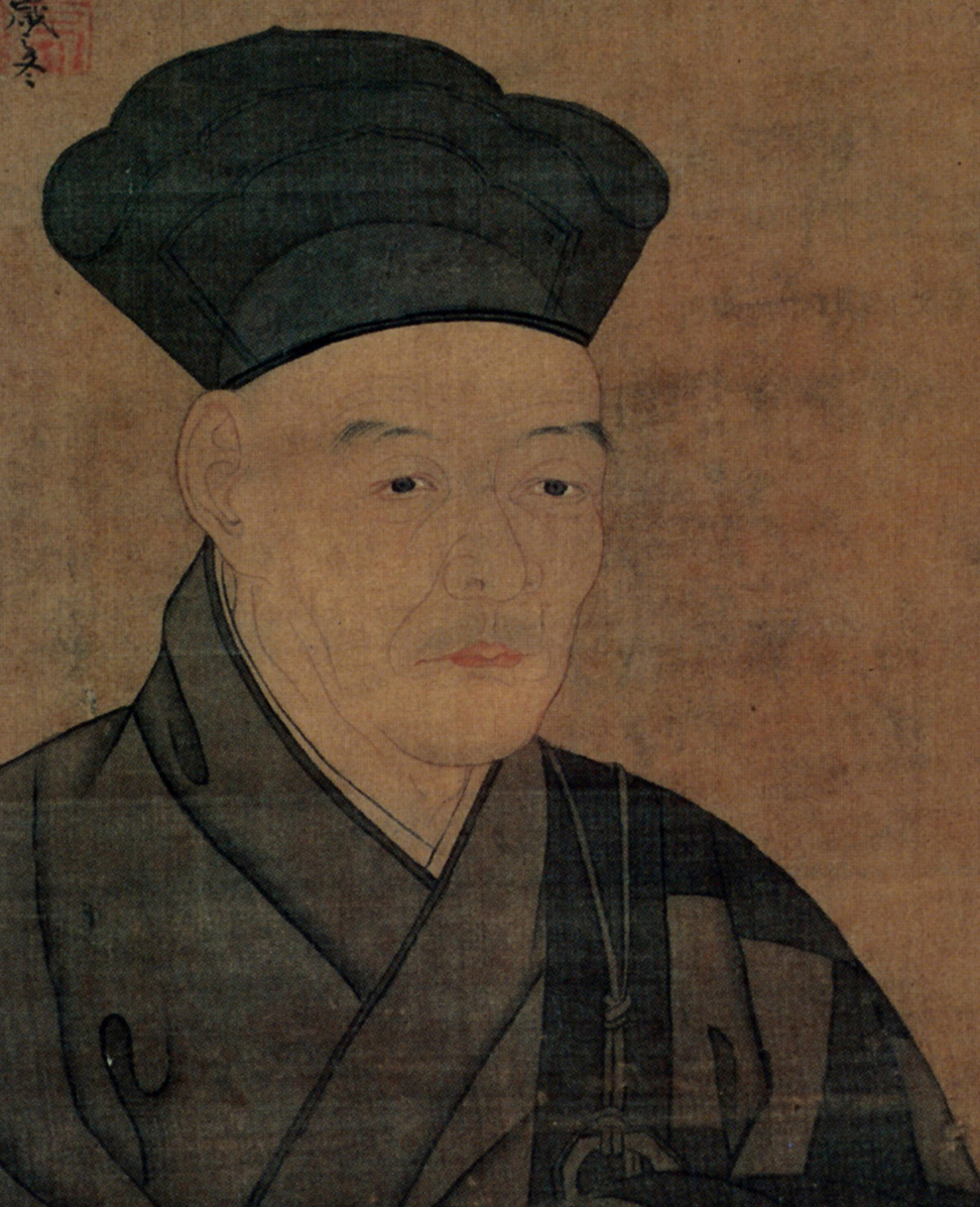
Sesshū Tōyō (雪舟 等楊; c. 1420 – August 26, 1506), also known simply as Sesshū (雪舟; Japanese pronunciation: [seꜜɕ.ɕɯː]), was a Japanese Zen monk and painter who is considered a great master of Japanese ink painting. Initially inspired by Chinese landscapes, Sesshū's work holds a distinctively Japanese style that reflects Zen Buddhist aesthetics. His prominent work captured images of landscapes, portraits, birds and flowers paintings, infused with Zen Buddhist beliefs, flattened perspective, and emphatic lines.
Sesshū was born into the samurai Oda family (小田家) and trained at Shōkoku-ji temple in Kyoto, Japan, as a Zen monk. From his early childhood, Sesshū showed a talent for painting and eventually became widely revered throughout Japan as a wise, reputable Zen scholar, and the greatest painter priest of Zen-Shu.
Sesshū worked in a painting atelier whilst training under Tenshō Shūbun (c. 1418–1463). But upon visiting China, his work took on a distinctive Chinese influence, merging Japanese and Chinese styles to develop his individualistic style of Zen paintings. Sesshū's influence on painting was so wide that many schools of art appointed him their founder. Sesshū's most acclaimed works are Winter Landscape (c. 1470s), Birds and Flowers (1420–1506) and Four Landscape Scrolls of the Seasons (1420–1506).
Sesshū Tōyō was born in Akahama (now Sōja City), a settlement in Bitchū Province, which is now a part of the Okayama Prefecture, during the Muromachi period. As a child, Sesshū entered the Buddhist community at the Hofukuji temple in Okayama, Japan. Little is known about Sesshū's early life, but there is a well-known tale that, whilst at Hofukuji Temple, Sesshū's instructor was forced to discipline him by tying him to a temple post. After a few hours passed, Sesshū used his tears as ink to draw a mouse on the wooden floor. The mouse was so realistic that it sprung to life and gnawed at the tight ropes to set him free.
At the age of twelve or thirteen years old, Sesshū entered the Shōkoku-ji temple in Kyoto, Japan, as an acolyte under the head priest of all zen temples, Shunrin Shuto, and eventually became a zen monk. Shōkoku-ji temple held a close relationship with the Muromachi government as the temple's main supporters were a part of the ruling Ashikaga family. Whilst at Shōkoku-ji temple, Sesshū was a pupil of Tenshō Shūbun, who was often regarded as Japan's first great master of ink landscape painting. Sesshū worked under Shūbun for 20 years before leaving Kyoto for a small provincial zen temple in western Japan. Here, he was left free from monastic and political duties to focus on painting.
Funded by a wealthy warrior clan that engaged in trade with China, then ruled by the Ming Dynasty, Sesshū travelled to China in 1467 as a member of a Japanese envoy. He travelled to China for three years, exploring the Chan monasteries, landscapes, and studied professional artists' Chinese paintings, rather than those by literati masters. Here, Sesshū had the opportunity to study traditional Chinese master paintings, learning about their realistic styles. During his travels from Ningbo to Peking, Sesshū felt the vastness of nature, learning from the original references used in Chinese ink painting. This influenced his following work greatly since, before visiting China, Sesshū worked under Shūbun's style. Following Sesshū's three years in China, his familiarity with Chinese landscapes showed in succeeding works as they held a distinct Chinese influence with his developing individualistic style.
In the last years of Sesshū's life, he visited Masuda, Japan, to study zen whilst painting and creating spiritual gardens called Sesshū's gardens. In 1506, at 87 years old, Sesshū died at Tokoji temple, but his remains were taken to Ikoji temple, subsequently known as Sesshū temple, where they were cremated. Following Sesshū's death, his pupil, Shutoku, inherited his studio, Unkoku-an.
Sesshū's works are predominantly suibokuga, meaning "water and ink paintings". For suibokuga artists, the exclusivity of black ink allowed them to focus on the essential character of the subject since Zen Buddhism stresses material simplicity and sensitivity to the natural world. To create his monochrome paintings in diluted greys and black ink, Sesshū used black sumi, meaning charcoal or soot-based solid ink on paper or silk, thus following the art of sumi-e Some of Sesshū's most acclaimed works include Winter Landscape (c. 1470s), Four Landscape Scrolls of the Seasons (c. 1420 – 1506) and, Birds and Flowers (c. 1420 – 1506), demonstrating his style of flattened space, emphatic outlines, and angular brushstrokes to portray zen beliefs.
Hub AI
Sesshū Tōyō AI simulator
(@Sesshū Tōyō_simulator)
Sesshū Tōyō
Sesshū Tōyō (雪舟 等楊; c. 1420 – August 26, 1506), also known simply as Sesshū (雪舟; Japanese pronunciation: [seꜜɕ.ɕɯː]), was a Japanese Zen monk and painter who is considered a great master of Japanese ink painting. Initially inspired by Chinese landscapes, Sesshū's work holds a distinctively Japanese style that reflects Zen Buddhist aesthetics. His prominent work captured images of landscapes, portraits, birds and flowers paintings, infused with Zen Buddhist beliefs, flattened perspective, and emphatic lines.
Sesshū was born into the samurai Oda family (小田家) and trained at Shōkoku-ji temple in Kyoto, Japan, as a Zen monk. From his early childhood, Sesshū showed a talent for painting and eventually became widely revered throughout Japan as a wise, reputable Zen scholar, and the greatest painter priest of Zen-Shu.
Sesshū worked in a painting atelier whilst training under Tenshō Shūbun (c. 1418–1463). But upon visiting China, his work took on a distinctive Chinese influence, merging Japanese and Chinese styles to develop his individualistic style of Zen paintings. Sesshū's influence on painting was so wide that many schools of art appointed him their founder. Sesshū's most acclaimed works are Winter Landscape (c. 1470s), Birds and Flowers (1420–1506) and Four Landscape Scrolls of the Seasons (1420–1506).
Sesshū Tōyō was born in Akahama (now Sōja City), a settlement in Bitchū Province, which is now a part of the Okayama Prefecture, during the Muromachi period. As a child, Sesshū entered the Buddhist community at the Hofukuji temple in Okayama, Japan. Little is known about Sesshū's early life, but there is a well-known tale that, whilst at Hofukuji Temple, Sesshū's instructor was forced to discipline him by tying him to a temple post. After a few hours passed, Sesshū used his tears as ink to draw a mouse on the wooden floor. The mouse was so realistic that it sprung to life and gnawed at the tight ropes to set him free.
At the age of twelve or thirteen years old, Sesshū entered the Shōkoku-ji temple in Kyoto, Japan, as an acolyte under the head priest of all zen temples, Shunrin Shuto, and eventually became a zen monk. Shōkoku-ji temple held a close relationship with the Muromachi government as the temple's main supporters were a part of the ruling Ashikaga family. Whilst at Shōkoku-ji temple, Sesshū was a pupil of Tenshō Shūbun, who was often regarded as Japan's first great master of ink landscape painting. Sesshū worked under Shūbun for 20 years before leaving Kyoto for a small provincial zen temple in western Japan. Here, he was left free from monastic and political duties to focus on painting.
Funded by a wealthy warrior clan that engaged in trade with China, then ruled by the Ming Dynasty, Sesshū travelled to China in 1467 as a member of a Japanese envoy. He travelled to China for three years, exploring the Chan monasteries, landscapes, and studied professional artists' Chinese paintings, rather than those by literati masters. Here, Sesshū had the opportunity to study traditional Chinese master paintings, learning about their realistic styles. During his travels from Ningbo to Peking, Sesshū felt the vastness of nature, learning from the original references used in Chinese ink painting. This influenced his following work greatly since, before visiting China, Sesshū worked under Shūbun's style. Following Sesshū's three years in China, his familiarity with Chinese landscapes showed in succeeding works as they held a distinct Chinese influence with his developing individualistic style.
In the last years of Sesshū's life, he visited Masuda, Japan, to study zen whilst painting and creating spiritual gardens called Sesshū's gardens. In 1506, at 87 years old, Sesshū died at Tokoji temple, but his remains were taken to Ikoji temple, subsequently known as Sesshū temple, where they were cremated. Following Sesshū's death, his pupil, Shutoku, inherited his studio, Unkoku-an.
Sesshū's works are predominantly suibokuga, meaning "water and ink paintings". For suibokuga artists, the exclusivity of black ink allowed them to focus on the essential character of the subject since Zen Buddhism stresses material simplicity and sensitivity to the natural world. To create his monochrome paintings in diluted greys and black ink, Sesshū used black sumi, meaning charcoal or soot-based solid ink on paper or silk, thus following the art of sumi-e Some of Sesshū's most acclaimed works include Winter Landscape (c. 1470s), Four Landscape Scrolls of the Seasons (c. 1420 – 1506) and, Birds and Flowers (c. 1420 – 1506), demonstrating his style of flattened space, emphatic outlines, and angular brushstrokes to portray zen beliefs.