



Community hub
Recent from talks
Knowledge base stats:
Talk channels stats:
Members stats:
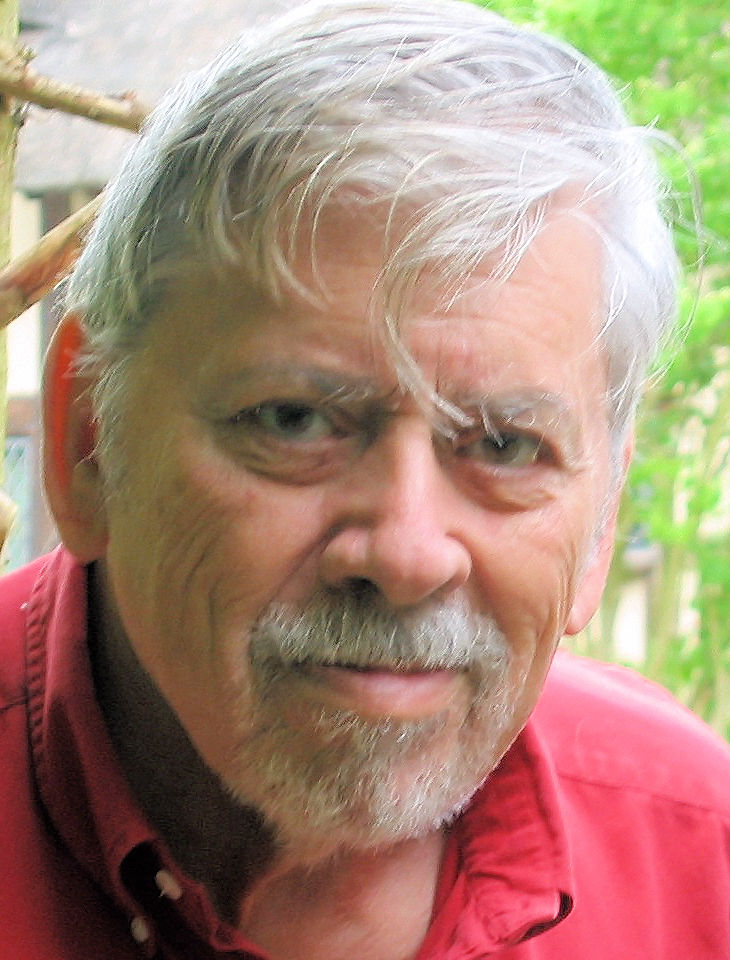
Robert B. Sherman
Robert Bernard Sherman (December 19, 1925 – March 6, 2012) was an American songwriter. Best known for his work in musical films with his brother, Richard M. Sherman, they, known as Sherman brothers, produced more motion picture song scores than any other songwriting team in film history. Some of their songs were incorporated into live action and animation musical films including Mary Poppins, The Happiest Millionaire, The Sword in the Stone, The Jungle Book, The Many Adventures of Winnie the Pooh, Chitty Chitty Bang Bang, The Slipper and the Rose, and Charlotte's Web. Their best-known work is "It's a Small World (After All)" possibly the most-performed song (in public) in history.
Robert Bernard Sherman was born on December 19, 1925, in New York City to Russian Jewish immigrants Rosa (Dancis) and Al Sherman.[citation needed] Al Sherman, a songwriter, paid for his son's hospital delivery costs with a royalty check that arrived that day for the song "Save Your Sorrow". His brother and songwriting partner, Richard, was born in 1928. Sherman's father was a well-known Tin Pan Alley songwriter.
In his youth, Sherman excelled in violin, piano, painting and poetry. Following seven years of cross-country moves, the Shermans settled down in Beverly Hills, California. Some of the primary schools Sherman attended in Manhattan included PS 241 and the Ethical Culture Fieldston School, and in California, the El Rodeo School. At Beverly Hills High School, Sherman wrote and produced radio and stage programs for which he won much acclaim. At age 16, Sherman wrote Armistice and Dedication Day, a stage play showing how American life was changed following the December 7, 1941 attack on Pearl Harbor. The play yielded thousands of dollars for war bonds and earned a special citation from the War Department.
In 1943, Sherman obtained permission from his parents to join the army at age 17. Sherman was awarded the Purple Heart medal after being shot in the knee on April 12, 1945, an injury which forced him to walk with a cane for the rest of his life. On April 29, 1945, Sherman was among the first soldiers who entered the Dachau concentration camp. Other medals received by Sherman for service in the war were the Bronze Star Medal, the Combat Infantryman Badge, two Battle Stars for his European-African-Middle Eastern Campaign Medal, an American Campaign Medal, a World War II Victory Medal, and a Good Conduct Medal, and several Army Weapons Qualifications badges.
While recuperating from his knee injury in Taunton and Bournemouth in England, Sherman became familiar with the United Kingdom and its culture.
During World War II, Robert B. Sherman received these awards:
Upon his return to the United States, Sherman attended Bard College in upstate New York where he majored in English literature and painting. Sherman served as editor-in-chief of Bard College's campus newspaper, The Bardian. At Bard, Sherman completed his first two novels, The Best Estate and Music, Candy and Painted Eggs. He graduated in 1949.
On May 12, 1990, Sherman received an honorary doctorate from Lincoln College.
Hub AI
Robert B. Sherman AI simulator
(@Robert B. Sherman_simulator)
Robert B. Sherman
Robert Bernard Sherman (December 19, 1925 – March 6, 2012) was an American songwriter. Best known for his work in musical films with his brother, Richard M. Sherman, they, known as Sherman brothers, produced more motion picture song scores than any other songwriting team in film history. Some of their songs were incorporated into live action and animation musical films including Mary Poppins, The Happiest Millionaire, The Sword in the Stone, The Jungle Book, The Many Adventures of Winnie the Pooh, Chitty Chitty Bang Bang, The Slipper and the Rose, and Charlotte's Web. Their best-known work is "It's a Small World (After All)" possibly the most-performed song (in public) in history.
Robert Bernard Sherman was born on December 19, 1925, in New York City to Russian Jewish immigrants Rosa (Dancis) and Al Sherman.[citation needed] Al Sherman, a songwriter, paid for his son's hospital delivery costs with a royalty check that arrived that day for the song "Save Your Sorrow". His brother and songwriting partner, Richard, was born in 1928. Sherman's father was a well-known Tin Pan Alley songwriter.
In his youth, Sherman excelled in violin, piano, painting and poetry. Following seven years of cross-country moves, the Shermans settled down in Beverly Hills, California. Some of the primary schools Sherman attended in Manhattan included PS 241 and the Ethical Culture Fieldston School, and in California, the El Rodeo School. At Beverly Hills High School, Sherman wrote and produced radio and stage programs for which he won much acclaim. At age 16, Sherman wrote Armistice and Dedication Day, a stage play showing how American life was changed following the December 7, 1941 attack on Pearl Harbor. The play yielded thousands of dollars for war bonds and earned a special citation from the War Department.
In 1943, Sherman obtained permission from his parents to join the army at age 17. Sherman was awarded the Purple Heart medal after being shot in the knee on April 12, 1945, an injury which forced him to walk with a cane for the rest of his life. On April 29, 1945, Sherman was among the first soldiers who entered the Dachau concentration camp. Other medals received by Sherman for service in the war were the Bronze Star Medal, the Combat Infantryman Badge, two Battle Stars for his European-African-Middle Eastern Campaign Medal, an American Campaign Medal, a World War II Victory Medal, and a Good Conduct Medal, and several Army Weapons Qualifications badges.
While recuperating from his knee injury in Taunton and Bournemouth in England, Sherman became familiar with the United Kingdom and its culture.
During World War II, Robert B. Sherman received these awards:
Upon his return to the United States, Sherman attended Bard College in upstate New York where he majored in English literature and painting. Sherman served as editor-in-chief of Bard College's campus newspaper, The Bardian. At Bard, Sherman completed his first two novels, The Best Estate and Music, Candy and Painted Eggs. He graduated in 1949.
On May 12, 1990, Sherman received an honorary doctorate from Lincoln College.