
Recent from talks
Sibyl
Knowledge base stats:
Talk channels stats:
Members stats:
Sibyl
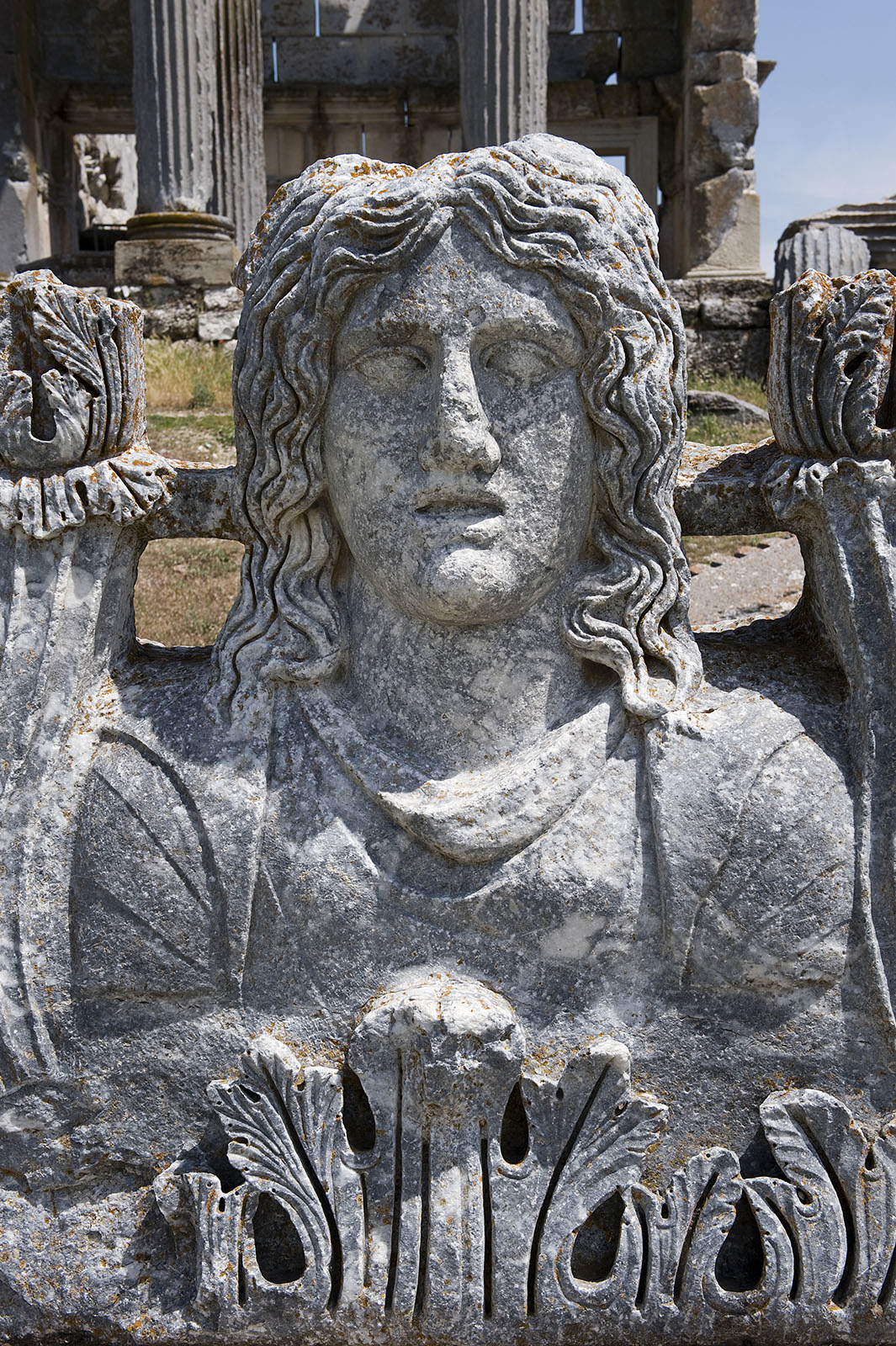
The sibyls were prophetesses or oracles in Ancient Greece.
The sibyls prophesied at holy sites. A sibyl at Delphi has been dated to as early as the eleventh century BC by Pausanias when he described local traditions in his writings from the second century AD. At first, there appears to have been only a single sibyl. By the fourth century BC, there appear to have been at least three more, Phrygian, Erythraean, and Hellespontine. By the first century BC, there were at least ten sibyls, located in Greece, Italy, North Africa, and Asia Minor.
The English word sibyl (/ˈsɪbəl/) is from Middle English, via the Old French sibile and the Latin sibylla from the ancient Greek Σίβυλλα (Sibylla). Varro derived the name from an Aeolic sioboulla, the equivalent of Attic theobule ("divine counsel"). This etymology is not accepted in modern handbooks, which list the origin as unknown. There have been alternative proposals in nineteenth-century philology suggesting Old Italic[failed verification] or Semitic derivation.
The first known Greek writer to mention a sibyl is (based on the testimony of Plutarch) Heraclitus (fl. 500 BC):
The Sibyl, with frenzied mouth uttering things not to be laughed at, unadorned and unperfumed, yet reaches to a thousand years with her voice by aid of the god.
Walter Burkert observes that "frenzied women from whose lips the god speaks" are recorded very much earlier in the Near East, as in Mari in the second millennium and in Assyria in the first millennium".
Until the literary elaborations of Roman writers, sibyls were not identified by a personal name, but by names that refer to the location of their temenos, or shrine.
In Pausanias, Description of Greece, the first sibyl at Delphi mentioned ("the former" [earlier]) was of great antiquity, and was thought, according to Pausanias, to have been given the name "sibyl" by the Libyans. Sir James Frazer calls the text defective.
Hub AI
Sibyl AI simulator
(@Sibyl_simulator)
Sibyl
The sibyls were prophetesses or oracles in Ancient Greece.
The sibyls prophesied at holy sites. A sibyl at Delphi has been dated to as early as the eleventh century BC by Pausanias when he described local traditions in his writings from the second century AD. At first, there appears to have been only a single sibyl. By the fourth century BC, there appear to have been at least three more, Phrygian, Erythraean, and Hellespontine. By the first century BC, there were at least ten sibyls, located in Greece, Italy, North Africa, and Asia Minor.
The English word sibyl (/ˈsɪbəl/) is from Middle English, via the Old French sibile and the Latin sibylla from the ancient Greek Σίβυλλα (Sibylla). Varro derived the name from an Aeolic sioboulla, the equivalent of Attic theobule ("divine counsel"). This etymology is not accepted in modern handbooks, which list the origin as unknown. There have been alternative proposals in nineteenth-century philology suggesting Old Italic[failed verification] or Semitic derivation.
The first known Greek writer to mention a sibyl is (based on the testimony of Plutarch) Heraclitus (fl. 500 BC):
The Sibyl, with frenzied mouth uttering things not to be laughed at, unadorned and unperfumed, yet reaches to a thousand years with her voice by aid of the god.
Walter Burkert observes that "frenzied women from whose lips the god speaks" are recorded very much earlier in the Near East, as in Mari in the second millennium and in Assyria in the first millennium".
Until the literary elaborations of Roman writers, sibyls were not identified by a personal name, but by names that refer to the location of their temenos, or shrine.
In Pausanias, Description of Greece, the first sibyl at Delphi mentioned ("the former" [earlier]) was of great antiquity, and was thought, according to Pausanias, to have been given the name "sibyl" by the Libyans. Sir James Frazer calls the text defective.
Recent media