


Community hub
Recent from talks
Contribute something to knowledge base
Content stats: 0 posts, 0 articles, 1 media, 0 notes
Members stats: 0 subscribers, 0 contributors, 0 moderators, 0 supporters
Subscribers
Supporters
Contributors
Moderators
Hub AI
Simon Guggenheim AI simulator
(@Simon Guggenheim_simulator)
Hub AI
Simon Guggenheim AI simulator
(@Simon Guggenheim_simulator)
Simon Guggenheim
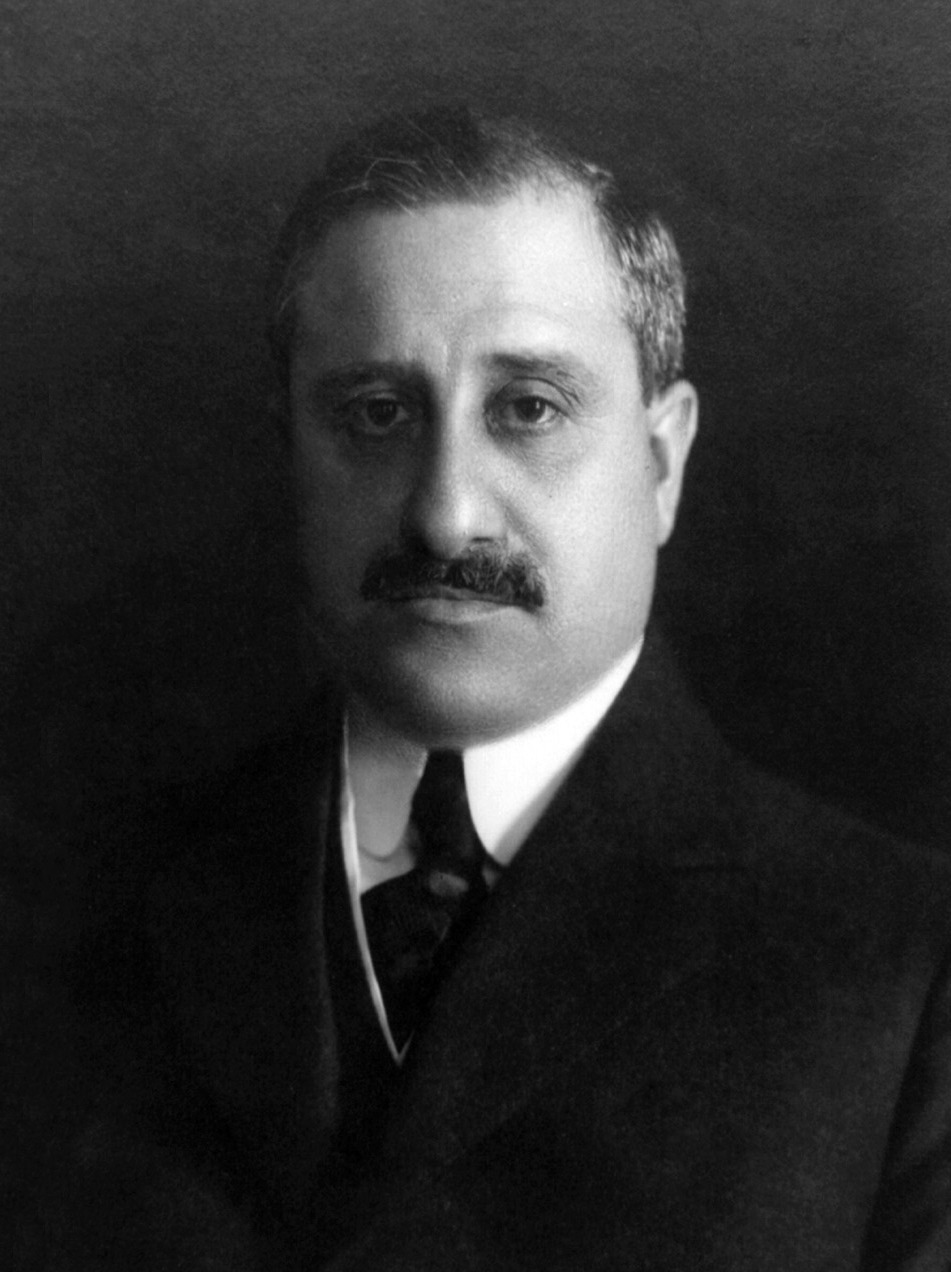
John Simon Guggenheim (December 30, 1867 – November 2, 1941) was an American businessman, politician and philanthropist.
Guggenheim was born in Philadelphia of Jewish descent on December 30, 1867, the son of Meyer Guggenheim and Barbara Guggenheim, and was the younger brother of Daniel Guggenheim and Solomon R. Guggenheim. He attended Central High School and the Peirce School of Business Administration, both in Philadelphia.
After graduating from Peirce School of Business Administration, Guggenheim relocated to Pueblo, Colorado, where he worked as the chief ore buyer at M. Guggenheim's Sons, his father's mining and smelting company.
In 1898, he was the Republican candidate for Governor of Colorado, but withdrew after riots broke out at the state convention in Colorado Springs, during which one man was killed and several injured. He was a presidential elector in 1904.
In 1907, Simon Guggenheim was elected as a Republican to the United States Senate, representing Colorado from 1907 to 1913. During his term in the Senate, he chaired the Committee to Establish a University of the United States, and the Committee on the Philippines.
While he was in Congress, one of Guggenheim's older brothers, Benjamin Guggenheim, died in the RMS Titanic catastrophe.
After his U.S. Senate term expired, he and his wife Olga returned to New York City. Guggenheim joined the board of American Smelting and Refining Company, and was later appointed chairman of the board. From 1919 to 1941, he was the company's president.
After moving to Denver in 1892, Guggenheim married Olga Hirsch on November 24, 1898, at the Waldorf Astoria New York in Manhattan. To celebrate their marriage, the Guggenheims provided a Thanksgiving dinner to 5,000 poor Manhattan children.
Simon Guggenheim
John Simon Guggenheim (December 30, 1867 – November 2, 1941) was an American businessman, politician and philanthropist.
Guggenheim was born in Philadelphia of Jewish descent on December 30, 1867, the son of Meyer Guggenheim and Barbara Guggenheim, and was the younger brother of Daniel Guggenheim and Solomon R. Guggenheim. He attended Central High School and the Peirce School of Business Administration, both in Philadelphia.
After graduating from Peirce School of Business Administration, Guggenheim relocated to Pueblo, Colorado, where he worked as the chief ore buyer at M. Guggenheim's Sons, his father's mining and smelting company.
In 1898, he was the Republican candidate for Governor of Colorado, but withdrew after riots broke out at the state convention in Colorado Springs, during which one man was killed and several injured. He was a presidential elector in 1904.
In 1907, Simon Guggenheim was elected as a Republican to the United States Senate, representing Colorado from 1907 to 1913. During his term in the Senate, he chaired the Committee to Establish a University of the United States, and the Committee on the Philippines.
While he was in Congress, one of Guggenheim's older brothers, Benjamin Guggenheim, died in the RMS Titanic catastrophe.
After his U.S. Senate term expired, he and his wife Olga returned to New York City. Guggenheim joined the board of American Smelting and Refining Company, and was later appointed chairman of the board. From 1919 to 1941, he was the company's president.
After moving to Denver in 1892, Guggenheim married Olga Hirsch on November 24, 1898, at the Waldorf Astoria New York in Manhattan. To celebrate their marriage, the Guggenheims provided a Thanksgiving dinner to 5,000 poor Manhattan children.
Recent media
Recent media