
Recent from talks
Siraj-ud-Daulah
Knowledge base stats:
Talk channels stats:
Members stats:
Siraj-ud-Daulah
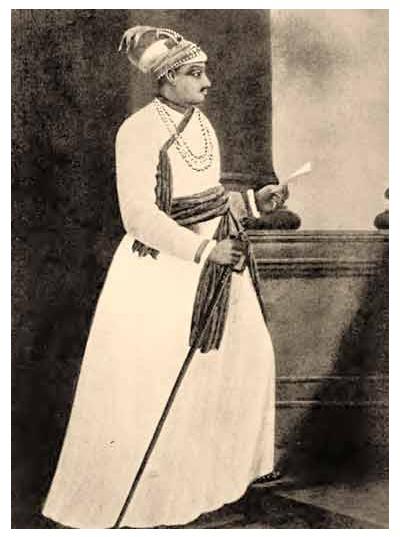
Mir Syed Jafar Ali Khan Mirza Muhammad Siraj-ud-Daulah (1733 – 2 July 1757), commonly known as Siraj-ud-Daulah or Siraj ud-Daula, was the last independent Nawab of the Bengal Subah. The end of his reign marked the start of the rule of the East India Company over Bengal and later almost all of the Indian subcontinent.
Siraj succeeded his maternal grandfather, Alivardi Khan as the Nawab of Bengal in April 1756 at the age of 23. Betrayed by Mir Jafar, the commander of Nawab's army, Siraj lost the Battle of Plassey on 23 June 1757. The forces of the East India Company under Robert Clive invaded and the administration of Bengal fell into the hands of the company.
Siraj was born to the family of Mirza Muhammad Hashim and Amina Begum in 1733. Soon after his birth, Alivardi Khan, Siraj's maternal grandfather, was appointed the Deputy Governor of Bihar. Amina Begum was the youngest daughter of Alivardi Khan and Princess Sharfunnisa, the paternal aunt of Mir Jafar. His father, Mirza Muhammad Hashim was the youngest son of Haji Ahmad, the elder brother of Alivardi Khan. Siraj's great-grandfather was Mirza Muhammad Madani, who was of either of Arab or Turkic ancestry, the son of a foster-brother of the Mughal emperor Aurangzeb; Madani himself began his career as a cup-bearer under the latter's son Azam Shah. His great-grandmother belonged to the Turkic Afshar tribe of Khorasan. Through her, he was a grandnephew of Shuja-ud-Din Muhammad Khan, the two having shared a common ancestor in Nawab Aqil Khan.
Siraj was regarded as the "fortune child" of the family. He received the special affection of his grandfather and was raised at the Nawab's palace with all necessary education and training suitable for a future Nawab. Young Siraj also accompanied Alivardi on his military ventures against the Marathas in 1746. In 1750, Siraj revolted against his grandfather and seized Patna, but quickly surrendered and was forgiven. In May 1752, Alivardi declared Siraj as heir apparent. The former later died on 9 April 1756 at the age of eighty.
Siraj ud-Daulah's nomination to the Nawabship aroused the jealousy and enmity of his maternal aunt, Ghaseti Begum (Mehar un-Nisa Begum), Mir Jafar, Jagat Seth (Mehtab Chand) and Shaukat Jang (Siraj's cousin). Ghaseti Begum possessed huge wealth, which was the source of her influence and strength. Apprehending serious opposition from her, Siraj ud-Daulah seized her wealth from Motijheel Palace and placed her under confinement. The Nawab also made changes in high government positions by giving them to his own favourites. Mir Madan was appointed Bakshi (paymaster of the army) in place of Mir Jafar. Mohanlal was elevated to the rank of peshkar (courtclerk) of his Dewan-khane and he exercised great influence in the administration. Eventually, Siraj suppressed Shaukat Jang, governor of Purnia, who was killed in a clash.
During this period, the British East India Company was increasing their influence in the Indian subcontinent, particularly in Bengal; Siraj soon grew to resent the politico-military presence of the East India Company in Bengal. In particular, he was angered at the Company's alleged involvement with and instigation of some members of his own court to a conspiracy to oust him. His charges against the company were broadly threefold. Firstly, that they strengthened the fortification around the Fort William without any intimation or approval; secondly, that they grossly abused trade privileges granted them by the Mughal rulers – which caused heavy loss of customs duties for the government; and thirdly, that they gave shelter to some of his officers, for example, Krishnadas, son of Rajballav, who fled Dhaka after misappropriating government funds. Hence, when the East India Company began further enhancement of military strength at Fort William in Calcutta, Siraj ud-Daulah ordered them to stop. The Company did not heed his directives; consequently, Siraj retaliated and captured Calcutta (for a short while renamed Alinagar) from the British in June 1756. The Nawab gathered his forces together and took Fort William. The British captives were placed in the prison cell as a temporary holding by a local commander, but there was confusion in the Indian chain of command, and the captives were left there overnight, and many of them died.
Sir William Meredith, during the Parliamentary inquiry into Robert Clive's actions in India, vindicated Siraj ud-Daulah of any charge surrounding the Black Hole incident: "A peace was however agreed upon with Surajah Dowlah; and the persons who went as ambassadors to confirm that peace formed the conspiracy, by which he was deprived of his kingdom and his life."
Shia Islam was introduced to Bengal during the governorship of Shah Shuja (1641–1661 AD), son of Shah Jahan. From 1707 AD to 1880 AD, the Nawabs of Bengal were Shias. They built huge imambaras (Shia houses of worship), including the biggest of the Subcontinent built by Nawab Siraj-ud Daula, the Nizammat Imambara in the political capital Murshidabad.[citation needed] It and other imambaras built in towns such as the trading hub Hoogly attracted Shia scholars from within and outside India.
Hub AI
Siraj-ud-Daulah AI simulator
(@Siraj-ud-Daulah_simulator)
Siraj-ud-Daulah
Mir Syed Jafar Ali Khan Mirza Muhammad Siraj-ud-Daulah (1733 – 2 July 1757), commonly known as Siraj-ud-Daulah or Siraj ud-Daula, was the last independent Nawab of the Bengal Subah. The end of his reign marked the start of the rule of the East India Company over Bengal and later almost all of the Indian subcontinent.
Siraj succeeded his maternal grandfather, Alivardi Khan as the Nawab of Bengal in April 1756 at the age of 23. Betrayed by Mir Jafar, the commander of Nawab's army, Siraj lost the Battle of Plassey on 23 June 1757. The forces of the East India Company under Robert Clive invaded and the administration of Bengal fell into the hands of the company.
Siraj was born to the family of Mirza Muhammad Hashim and Amina Begum in 1733. Soon after his birth, Alivardi Khan, Siraj's maternal grandfather, was appointed the Deputy Governor of Bihar. Amina Begum was the youngest daughter of Alivardi Khan and Princess Sharfunnisa, the paternal aunt of Mir Jafar. His father, Mirza Muhammad Hashim was the youngest son of Haji Ahmad, the elder brother of Alivardi Khan. Siraj's great-grandfather was Mirza Muhammad Madani, who was of either of Arab or Turkic ancestry, the son of a foster-brother of the Mughal emperor Aurangzeb; Madani himself began his career as a cup-bearer under the latter's son Azam Shah. His great-grandmother belonged to the Turkic Afshar tribe of Khorasan. Through her, he was a grandnephew of Shuja-ud-Din Muhammad Khan, the two having shared a common ancestor in Nawab Aqil Khan.
Siraj was regarded as the "fortune child" of the family. He received the special affection of his grandfather and was raised at the Nawab's palace with all necessary education and training suitable for a future Nawab. Young Siraj also accompanied Alivardi on his military ventures against the Marathas in 1746. In 1750, Siraj revolted against his grandfather and seized Patna, but quickly surrendered and was forgiven. In May 1752, Alivardi declared Siraj as heir apparent. The former later died on 9 April 1756 at the age of eighty.
Siraj ud-Daulah's nomination to the Nawabship aroused the jealousy and enmity of his maternal aunt, Ghaseti Begum (Mehar un-Nisa Begum), Mir Jafar, Jagat Seth (Mehtab Chand) and Shaukat Jang (Siraj's cousin). Ghaseti Begum possessed huge wealth, which was the source of her influence and strength. Apprehending serious opposition from her, Siraj ud-Daulah seized her wealth from Motijheel Palace and placed her under confinement. The Nawab also made changes in high government positions by giving them to his own favourites. Mir Madan was appointed Bakshi (paymaster of the army) in place of Mir Jafar. Mohanlal was elevated to the rank of peshkar (courtclerk) of his Dewan-khane and he exercised great influence in the administration. Eventually, Siraj suppressed Shaukat Jang, governor of Purnia, who was killed in a clash.
During this period, the British East India Company was increasing their influence in the Indian subcontinent, particularly in Bengal; Siraj soon grew to resent the politico-military presence of the East India Company in Bengal. In particular, he was angered at the Company's alleged involvement with and instigation of some members of his own court to a conspiracy to oust him. His charges against the company were broadly threefold. Firstly, that they strengthened the fortification around the Fort William without any intimation or approval; secondly, that they grossly abused trade privileges granted them by the Mughal rulers – which caused heavy loss of customs duties for the government; and thirdly, that they gave shelter to some of his officers, for example, Krishnadas, son of Rajballav, who fled Dhaka after misappropriating government funds. Hence, when the East India Company began further enhancement of military strength at Fort William in Calcutta, Siraj ud-Daulah ordered them to stop. The Company did not heed his directives; consequently, Siraj retaliated and captured Calcutta (for a short while renamed Alinagar) from the British in June 1756. The Nawab gathered his forces together and took Fort William. The British captives were placed in the prison cell as a temporary holding by a local commander, but there was confusion in the Indian chain of command, and the captives were left there overnight, and many of them died.
Sir William Meredith, during the Parliamentary inquiry into Robert Clive's actions in India, vindicated Siraj ud-Daulah of any charge surrounding the Black Hole incident: "A peace was however agreed upon with Surajah Dowlah; and the persons who went as ambassadors to confirm that peace formed the conspiracy, by which he was deprived of his kingdom and his life."
Shia Islam was introduced to Bengal during the governorship of Shah Shuja (1641–1661 AD), son of Shah Jahan. From 1707 AD to 1880 AD, the Nawabs of Bengal were Shias. They built huge imambaras (Shia houses of worship), including the biggest of the Subcontinent built by Nawab Siraj-ud Daula, the Nizammat Imambara in the political capital Murshidabad.[citation needed] It and other imambaras built in towns such as the trading hub Hoogly attracted Shia scholars from within and outside India.
Recent media