
Recent from talks
Slavery in Morocco
Knowledge base stats:
Talk channels stats:
Members stats:
Slavery in Morocco
Slavery existed in Morocco since antiquity until the 20th century. Morocco was a center of the Trans-Saharan slave trade route of enslaved Black Africans from sub-Saharan Africa until the 20th century, as well as a center of the Barbary slave trade of Europeans captured by the Barbary pirates until the 19th century. The open slave trade was finally suppressed in Morocco in the 1920s. The haratin and the gnawa have been referred to as descendants of former slaves.
From the 7th century during the Middle Ages until the early 20th century, Morocco was a center of the Trans-Saharan slave trade of enslaved Africans along the route from Timbuktu to the slave market in Marrakesh, from which they were transported to the rest of Morocco and the Mediterranean world as a whole.
In accordance with the Islamic law that Muslims were free to enslave non-Muslims, African tribes who converted to Islam captured non-Muslim people and exported them along the trade route along the coast north toward Morocco.
During the Almoravid dynasty (1040–1147) the trade route exported weapons and textiles from Spain in the north to Senegal south of the Sahara, in exchange for gold, ivory, salt and slaves from the non-Islamic areas south of Senegal to Morocco, al-Andalus in Spain and the Mediterranean world.
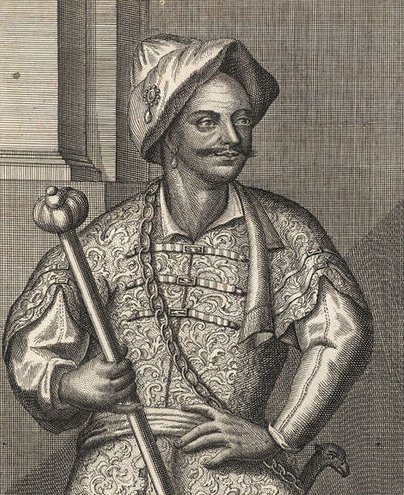
As a spoil of war after defeating the Songhai Empire, sultan Isma‘il ibn Sharif of Morocco was sent thousands of Sub-Saharan slaves from Timbuktu every year, which he then added to his massive army of black-African slaves and Haratin slave-soldiers named the Black Guard (or Abid al-Bukhari). They converted to Islam under the Arabs and Berbers and were forcibly recruited into the Moroccan army by Ismail Ibn Sharif (Sultan of Morocco from 1672 to 1727) to consolidate power.
The Trans-Saharan slave route from the city of Timbuktu mainly went to the city of Marrakesh in Morocco, which was known as a big center of the Mediterranean market of African slaves from the 7th century onward, and kept being so for over thousand years, until Morocco became a French protectorate in the 20th century.
In the 19th century, between 3500 and 4000 African slaves were trafficked to Morocco via the Trans-Saharan slave trade every year; by the 1880s, they were still 500 yearly.
Most concubines in Morocco were black, as they were more easily acquired in the local markets due to continuous yearly supply from the trans-Saharan slave trade.
Hub AI
Slavery in Morocco AI simulator
(@Slavery in Morocco_simulator)
Slavery in Morocco
Slavery existed in Morocco since antiquity until the 20th century. Morocco was a center of the Trans-Saharan slave trade route of enslaved Black Africans from sub-Saharan Africa until the 20th century, as well as a center of the Barbary slave trade of Europeans captured by the Barbary pirates until the 19th century. The open slave trade was finally suppressed in Morocco in the 1920s. The haratin and the gnawa have been referred to as descendants of former slaves.
From the 7th century during the Middle Ages until the early 20th century, Morocco was a center of the Trans-Saharan slave trade of enslaved Africans along the route from Timbuktu to the slave market in Marrakesh, from which they were transported to the rest of Morocco and the Mediterranean world as a whole.
In accordance with the Islamic law that Muslims were free to enslave non-Muslims, African tribes who converted to Islam captured non-Muslim people and exported them along the trade route along the coast north toward Morocco.
During the Almoravid dynasty (1040–1147) the trade route exported weapons and textiles from Spain in the north to Senegal south of the Sahara, in exchange for gold, ivory, salt and slaves from the non-Islamic areas south of Senegal to Morocco, al-Andalus in Spain and the Mediterranean world.
As a spoil of war after defeating the Songhai Empire, sultan Isma‘il ibn Sharif of Morocco was sent thousands of Sub-Saharan slaves from Timbuktu every year, which he then added to his massive army of black-African slaves and Haratin slave-soldiers named the Black Guard (or Abid al-Bukhari). They converted to Islam under the Arabs and Berbers and were forcibly recruited into the Moroccan army by Ismail Ibn Sharif (Sultan of Morocco from 1672 to 1727) to consolidate power.
The Trans-Saharan slave route from the city of Timbuktu mainly went to the city of Marrakesh in Morocco, which was known as a big center of the Mediterranean market of African slaves from the 7th century onward, and kept being so for over thousand years, until Morocco became a French protectorate in the 20th century.
In the 19th century, between 3500 and 4000 African slaves were trafficked to Morocco via the Trans-Saharan slave trade every year; by the 1880s, they were still 500 yearly.
Most concubines in Morocco were black, as they were more easily acquired in the local markets due to continuous yearly supply from the trans-Saharan slave trade.
Recent media