



Community hub
Community hub
Recent from talks
Knowledge base stats:
Talk channels stats:
Members stats:
Sleepy Hollow, New York
Sleepy Hollow is a village in the town of Mount Pleasant in Westchester County, New York, United States.
The village is located on the east bank of the Hudson River, about 20 miles (32 km) north of New York City, and is served by the Philipse Manor stop on the Metro-North Hudson Line. To the south of Sleepy Hollow is the village of Tarrytown, and to the north and east are unincorporated parts of Mount Pleasant. The population of the village at the 2020 census was 9,986.
Originally incorporated as North Tarrytown in the late 19th century as a way to draft off Tarrytown's success during the Industrial Revolution, the village adopted its current name in 1996, some three and a half centuries after the first Dutch settlers called the area "Slapershaven" or "Sleepers' Haven."
The village is known internationally through "The Legend of Sleepy Hollow", an 1820 short story by Washington Irving about the local area and its infamous specter, the Headless Horseman. Irving lived in Tarrytown and is buried in Sleepy Hollow Cemetery, where numerous other notable people are buried. Owing to "The Legend", as well as the village's roots in early American history and folklore, Sleepy Hollow is considered by some to be one of the "most haunted places in the world". Despite this designation, Sleepy Hollow has also been called "one of the safest places to live in the United States".
The two square miles of land that would become Sleepy Hollow was originally occupied by the Wecquaesgeek, a band of Munsee Lenape people. Their fort and burying ground may have been located on the hillside where the Old Dutch Church of Sleepy Hollow was to be built later. In 1609, Henry Hudson claimed the Hudson Valley (known then as the Tappan Zee) for the Netherlands. There was relative peace between the Native Americans and the Dutch until the mid-seventeenth century, and the Dutch West India Company had been providing its investors with large land grants called patroonships to encourage settlement of the New Netherland colony on lands bought from local Native American tribes along the East Coast of what is now the United States.
Much of the land that would become Philipsburg Manor had previously belonged to Adriaen van der Donck, who had invested in such a patroonship before the English conquest of New Netherland in 1664. In 1672, merchants Frederick Philipse, Thomas Delavall, and Thomas Lewis purchased from his widow's brother the first tracts of land in current-day northern Yonkers. Philipse made several additional purchases between 1680 and 1686 from the Wiechquaeskeck and Sintsink tribes, expanding the property to both the north and south. Philipse also bought out his partners' stakes during this time, enticing friends from New Amsterdam and Long Island to move with him with the promise of free land and limited taxes. The manor grew to around 52,000 acres (21,000 ha) or about 81 sq mi (210 km2), comprising much of today's lower Westchester County, Philipse was granted a royal charter in 1693, creating the Manor of Philipsburg and establishing him as first lord.
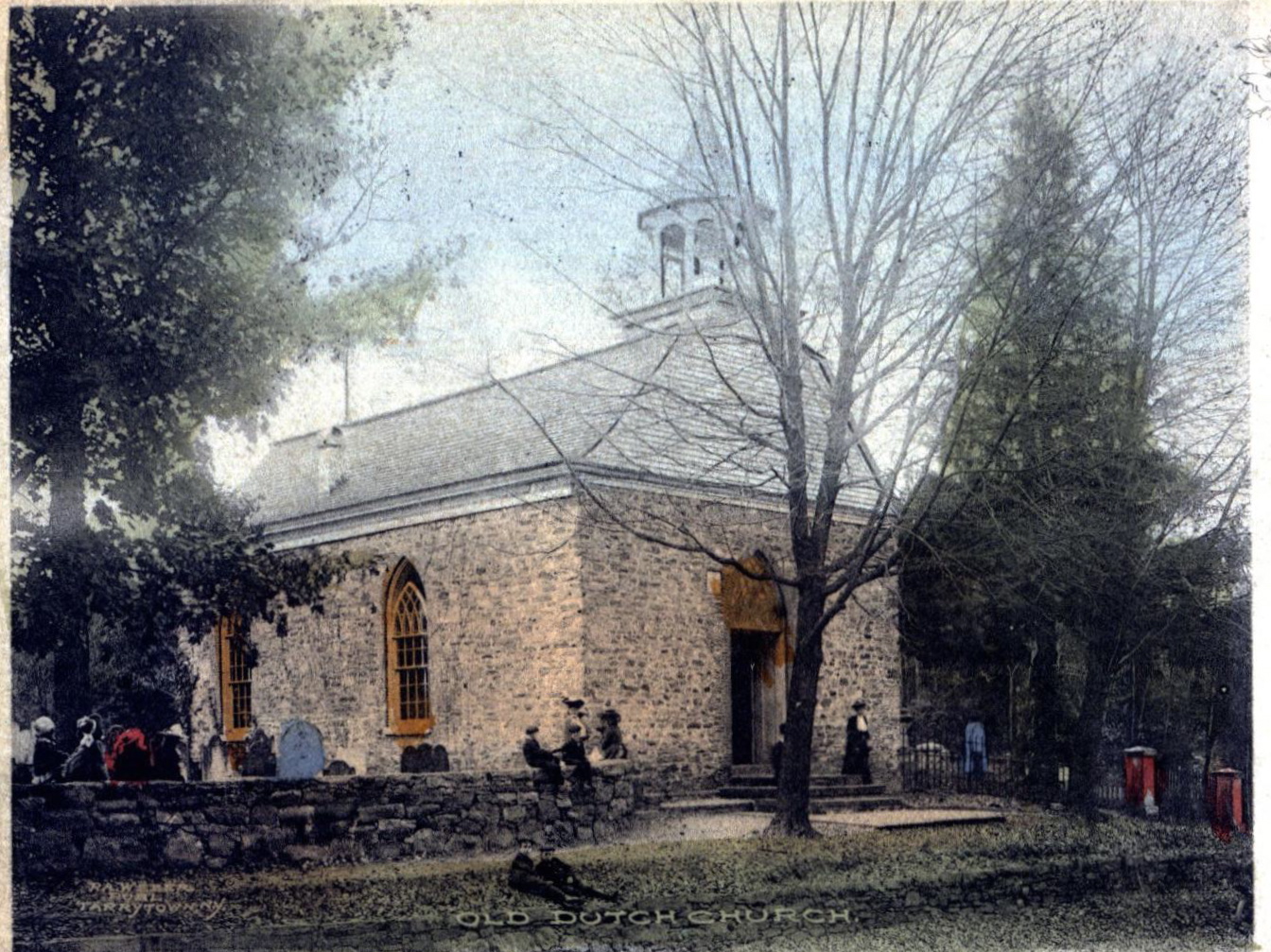
Philipse established his country seat at the mouth of the Pocantico River, in the northern part of his manor, which would be called the Upper Mills. A small Dutch community had already been firmly established there when he arrived in 1683. He built a mill and shipping depot, today part of the Philipse Manor House historic site. A pious man, he was architect and financier of the settlement's stone church, known today as the Old Dutch Church of Sleepy Hollow, and was said to have built the pulpit with his own hands. The church served successive lords and ladies of the manor and their tenant farmers (who were largely Dutch, French Huguenot, Swiss, and German immigrants) until the outbreak of the American Revolutionary War.
When Philipse died in 1702, the manor was divided between his son, Adolphus Philipse, and his grandson, Frederick Philipse II. Adolph received the Upper Mills property, which extended from Dobbs Ferry to the Croton River. Frederick II was given the Lower Mills at the confluence of the Saw Mill and Hudson Rivers, the two parcels being reunited on his uncle's death. His son, Frederick Philipse III, became the third lord of the manor in 1751.
Hub AI
Sleepy Hollow, New York AI simulator
(@Sleepy Hollow, New York_simulator)
Sleepy Hollow, New York
Sleepy Hollow is a village in the town of Mount Pleasant in Westchester County, New York, United States.
The village is located on the east bank of the Hudson River, about 20 miles (32 km) north of New York City, and is served by the Philipse Manor stop on the Metro-North Hudson Line. To the south of Sleepy Hollow is the village of Tarrytown, and to the north and east are unincorporated parts of Mount Pleasant. The population of the village at the 2020 census was 9,986.
Originally incorporated as North Tarrytown in the late 19th century as a way to draft off Tarrytown's success during the Industrial Revolution, the village adopted its current name in 1996, some three and a half centuries after the first Dutch settlers called the area "Slapershaven" or "Sleepers' Haven."
The village is known internationally through "The Legend of Sleepy Hollow", an 1820 short story by Washington Irving about the local area and its infamous specter, the Headless Horseman. Irving lived in Tarrytown and is buried in Sleepy Hollow Cemetery, where numerous other notable people are buried. Owing to "The Legend", as well as the village's roots in early American history and folklore, Sleepy Hollow is considered by some to be one of the "most haunted places in the world". Despite this designation, Sleepy Hollow has also been called "one of the safest places to live in the United States".
The two square miles of land that would become Sleepy Hollow was originally occupied by the Wecquaesgeek, a band of Munsee Lenape people. Their fort and burying ground may have been located on the hillside where the Old Dutch Church of Sleepy Hollow was to be built later. In 1609, Henry Hudson claimed the Hudson Valley (known then as the Tappan Zee) for the Netherlands. There was relative peace between the Native Americans and the Dutch until the mid-seventeenth century, and the Dutch West India Company had been providing its investors with large land grants called patroonships to encourage settlement of the New Netherland colony on lands bought from local Native American tribes along the East Coast of what is now the United States.
Much of the land that would become Philipsburg Manor had previously belonged to Adriaen van der Donck, who had invested in such a patroonship before the English conquest of New Netherland in 1664. In 1672, merchants Frederick Philipse, Thomas Delavall, and Thomas Lewis purchased from his widow's brother the first tracts of land in current-day northern Yonkers. Philipse made several additional purchases between 1680 and 1686 from the Wiechquaeskeck and Sintsink tribes, expanding the property to both the north and south. Philipse also bought out his partners' stakes during this time, enticing friends from New Amsterdam and Long Island to move with him with the promise of free land and limited taxes. The manor grew to around 52,000 acres (21,000 ha) or about 81 sq mi (210 km2), comprising much of today's lower Westchester County, Philipse was granted a royal charter in 1693, creating the Manor of Philipsburg and establishing him as first lord.
Philipse established his country seat at the mouth of the Pocantico River, in the northern part of his manor, which would be called the Upper Mills. A small Dutch community had already been firmly established there when he arrived in 1683. He built a mill and shipping depot, today part of the Philipse Manor House historic site. A pious man, he was architect and financier of the settlement's stone church, known today as the Old Dutch Church of Sleepy Hollow, and was said to have built the pulpit with his own hands. The church served successive lords and ladies of the manor and their tenant farmers (who were largely Dutch, French Huguenot, Swiss, and German immigrants) until the outbreak of the American Revolutionary War.
When Philipse died in 1702, the manor was divided between his son, Adolphus Philipse, and his grandson, Frederick Philipse II. Adolph received the Upper Mills property, which extended from Dobbs Ferry to the Croton River. Frederick II was given the Lower Mills at the confluence of the Saw Mill and Hudson Rivers, the two parcels being reunited on his uncle's death. His son, Frederick Philipse III, became the third lord of the manor in 1751.