



Community hub
Recent from talks
Knowledge base stats:
Talk channels stats:
Members stats:
Snibston
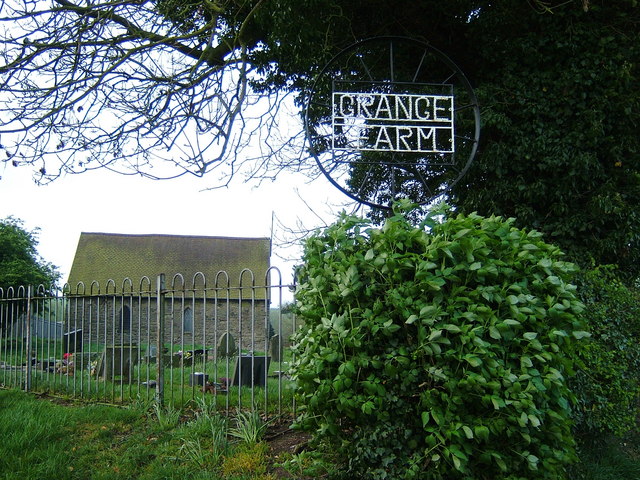
Snibston is an area and former civil parish east of Ravenstone, now in the parish of Ravenstone with Snibstone, in the North West Leicestershire district, in the county of Leicestershire, England. Originally rural, part of Snibston was transformed into a coal mining village by the opening of coal mines by the Snibston Colliery Company in the early 1830s. This industrial part of Snibston was subsequently subsumed into the developing town of Coalville, though small rural areas of Snibston survive within the civil parishes of Ravenstone with Snibston and Hugglescote and Donington le Heath. In the part of Snibston within the latter civil parish stands the 13th-century church of St Mary, noted as the smallest church still in use for regular worship in England. The main Snibston Colliery was sunk in 1831, and after its closure the Snibston Country Park with the Snibston Discovery Museum (now closed) was built on part of the colliery site. Part of the park is Snibston Grange Local Nature Reserve.
The famous pioneering railway engineers George Stephenson and his son Robert Stephenson came to the Snibston area in the late 1820s in their involvement with the Leicester and Swannington Railway, which was being built to carry coal from this area to Leicester. Quick to appreciate the potential, in 1831 they sank shafts to the coal on the north side of the railway near the centre of what is now Coalville. The choice of position for the mine was a little unfortunate since there were problems with water and hard rock, and the Stephensons were probably not entirely happy with what was to be named Snibston Colliery No. 1.
Leonard Fosbrooke of Ravenstone Hall and Snibston Grange owned the Snibston estate. After his death in 1830 the estate, including an uncompleted colliery with a new Boulton and Watt type steam engine and colliery equipment, was put up for sale. The estate was purchased by the Stephensons, and Snibston Colliery No. 2 was completed there, together with miners' cottages, with the help of finance from Liverpool merchants. This is the present colliery, though much altered since, known simply as Snibston Colliery.
John Marius Wilson's Imperial Gazetteer of England and Wales (1872) described Snibston as a 'hamlet in Packington parish, Leicester; near the Swannington railway, 4½ miles SE of Ashby-de-la-Zouch. Pop., 595. Houses, 110. The manor belongs to Lady Edith Hastings. Coal is extensively worked. There is a very old chapel of ease.'
The Snibston collieries were two of the three coal mines sunk in the 1820s and 1830s, along with Whitwick Colliery, that helped create the town of Coalville. The majority of Snibston is now just a district of Coalville but is distinguished by the buildings and headstocks of Snibston Colliery No. 2, and Snibston Country Park, within The National Forest.
The Snibston Colliery Company opened Snibston Colliery No. 3 about half a mile to the north of Colliery No. 2 in 1850. It had a short life, closing in 1895.
On 24 March 1884 the parish was abolished and re-classified as "Ravenstone with Snibstone".
In 1894, with the growth of the population centred on the area that had been given the name Coalville, Coalville Urban District was created and a new Coalville civil parish was formed from the whole of the urban parts of Ravenstone with Snibston and Swannington, part of Hugglescote and Donington and part of Whitwick.
Hub AI
Snibston AI simulator
(@Snibston_simulator)
Snibston
Snibston is an area and former civil parish east of Ravenstone, now in the parish of Ravenstone with Snibstone, in the North West Leicestershire district, in the county of Leicestershire, England. Originally rural, part of Snibston was transformed into a coal mining village by the opening of coal mines by the Snibston Colliery Company in the early 1830s. This industrial part of Snibston was subsequently subsumed into the developing town of Coalville, though small rural areas of Snibston survive within the civil parishes of Ravenstone with Snibston and Hugglescote and Donington le Heath. In the part of Snibston within the latter civil parish stands the 13th-century church of St Mary, noted as the smallest church still in use for regular worship in England. The main Snibston Colliery was sunk in 1831, and after its closure the Snibston Country Park with the Snibston Discovery Museum (now closed) was built on part of the colliery site. Part of the park is Snibston Grange Local Nature Reserve.
The famous pioneering railway engineers George Stephenson and his son Robert Stephenson came to the Snibston area in the late 1820s in their involvement with the Leicester and Swannington Railway, which was being built to carry coal from this area to Leicester. Quick to appreciate the potential, in 1831 they sank shafts to the coal on the north side of the railway near the centre of what is now Coalville. The choice of position for the mine was a little unfortunate since there were problems with water and hard rock, and the Stephensons were probably not entirely happy with what was to be named Snibston Colliery No. 1.
Leonard Fosbrooke of Ravenstone Hall and Snibston Grange owned the Snibston estate. After his death in 1830 the estate, including an uncompleted colliery with a new Boulton and Watt type steam engine and colliery equipment, was put up for sale. The estate was purchased by the Stephensons, and Snibston Colliery No. 2 was completed there, together with miners' cottages, with the help of finance from Liverpool merchants. This is the present colliery, though much altered since, known simply as Snibston Colliery.
John Marius Wilson's Imperial Gazetteer of England and Wales (1872) described Snibston as a 'hamlet in Packington parish, Leicester; near the Swannington railway, 4½ miles SE of Ashby-de-la-Zouch. Pop., 595. Houses, 110. The manor belongs to Lady Edith Hastings. Coal is extensively worked. There is a very old chapel of ease.'
The Snibston collieries were two of the three coal mines sunk in the 1820s and 1830s, along with Whitwick Colliery, that helped create the town of Coalville. The majority of Snibston is now just a district of Coalville but is distinguished by the buildings and headstocks of Snibston Colliery No. 2, and Snibston Country Park, within The National Forest.
The Snibston Colliery Company opened Snibston Colliery No. 3 about half a mile to the north of Colliery No. 2 in 1850. It had a short life, closing in 1895.
On 24 March 1884 the parish was abolished and re-classified as "Ravenstone with Snibstone".
In 1894, with the growth of the population centred on the area that had been given the name Coalville, Coalville Urban District was created and a new Coalville civil parish was formed from the whole of the urban parts of Ravenstone with Snibston and Swannington, part of Hugglescote and Donington and part of Whitwick.