


Community hub
Recent from talks
Contribute something to knowledge base
Content stats: 0 posts, 0 articles, 1 media, 0 notes
Members stats: 0 subscribers, 0 contributors, 0 moderators, 0 supporters
Subscribers
Supporters
Contributors
Moderators
Hub AI
St Bees Theological College AI simulator
(@St Bees Theological College_simulator)
Hub AI
St Bees Theological College AI simulator
(@St Bees Theological College_simulator)
St Bees Theological College
St Bees Theological College, close to the coast of Cumberland, was the first independent theological college to be established for the training of Church of England ordinands. It was founded in 1816 by George Henry Law, Bishop of Chester, in what was during those years the northern extremity of his diocese. For many subsequent years the vicar of St Bees was effectively both the principal of the college and also its proprietor.
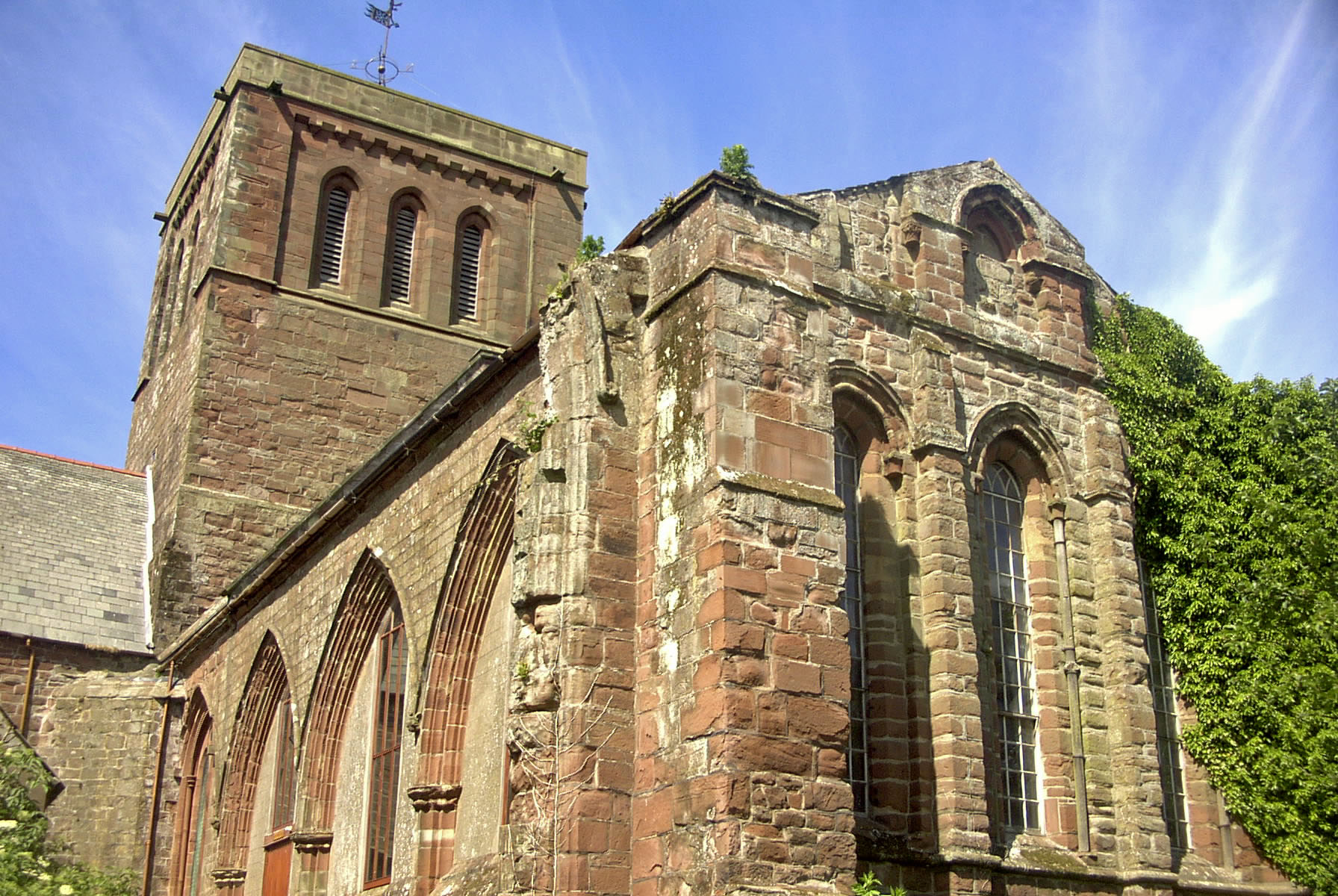
The college drew students both from England and from Wales. It catered particularly for those prospective ordinands for whom the cost of a traditional university degree course would have been prohibitive. They attended lectures and had their library within the rebuilt chancel of St Bees Priory, whilst living in lodgings throughout the parish. Over 2,600 clergy are believed to have trained at the college during the course of its history. Lacking an adequate corporate administrative and financial basis, and also suffering from a loss of much individual interest from subsequent bishops of Chester and bishops of Carlisle, the theological college finally closed in 1895.
Bishop George Henry Law of Chester had a severe problem with the shortage of new good clergy in his large and growing diocese. He had local connections with West Cumbria, and on a visit in 1816 saw an opportunity to found a college for training of ordinands at St Bees. The Lowthers had become very rich through their extensive coal mines in Whitehaven, but were now in a difficult position. They had manipulated the governors of St Bees School to lease the lucrative mineral rights of Whitehaven from St Bees School for a derisory amount by means of a forged document. This was now coming to light, mainly through the efforts of the Rev W Wilson, headmaster of St Bees School, who whistle-blew, but was sacked for his pains in 1816. But the story was out, and the Lowthers were anxious for an opportunity to restore their reputation. They were receptive to Bishop Law's suggestion that they fund the building of a college at St Bees.
The Lowthers offered to restore the ruined chancel of the monastic church to house the college, and donated land for a vicarage. They offered to Bishop Law the patronage of the living, which they held, so that the principal of the new college would also be the vicar of St Bees. Law grasped this opportunity, and so was born St Bees Theological College. This was to be a pioneering institution; the first Church of England College for the training of clergy outside the universities of Oxford and Cambridge.
By 1817 the repair work was complete. The roofless monastic chancel had been restored, and became the main lecture room for the college. News of the college soon spread, and it first opened to admit 20 students, who paid £5 a term. Although the principal would also perform all the duties of the vicar, the college was effectively a private business. Perhaps surprisingly, the college offered no accommodation, and students lodged in the village. Students had a very good chance of employment in the Diocese of Chester, and the cost of living and fees were much lower than at the two universities.
The first principal, William Ainger, was only 31 when appointed, and had no previous experience of running a theological institution. However, the college prospered immediately, with numbers rising to 36 admissions in 1822. Ainger had to work alone until 1826, when the increasing scope of the training course obliged him to take on an assistant, the Rev. Richard Parkinson, and to double the fees to £10 a term. Although Ainger also carried out all the duties of a parish priest, he had the time and energy to make the reputation of the college grow. Shortly before Ainger's death in 1840 at the age of 55, St Bees College was mentioned specifically in national legislation along with Oxford and Cambridge, Durham and St David's College, Lampeter.
Ainger's successor was the Rev. Richard Buddicom, aged 60, who had quite a different theological standpoint and came from the evangelical wing of the church. He was an early supporter of the Church Missionary Society, and was elected to the newly built chapel of St George's, Everton, in 1813, where he remained until coming to St Bees. He had published a large body of sermons and had a huge reputation as a preacher. When he preached for the first time in Whitehaven, over 3,000 people came to hear him. Although principal, he took very seriously his responsibility for Whitehaven with 20,000 people, which was still part of the ecclesiastical parish of St Bees. Whitehaven had three chapels of ease; Trinity, St James and St Nicholas, each with a curate.
Buddicom died in 1846. His successor was Richard Parkinson, who had been a lecturer at the college until 1833, when he was appointed a Fellow of Manchester Collegiate church (now the cathedral). Under Parkinson College admissions rose, and he set about schemes for improving the college and buildings. He proposed to incorporate the college with a charter, so it could confer degrees, and to build residential accommodation. Parkinson offered to donate £5,000 personally. However, he would not surrender power to a proposed governing council of clergy and laity, and consequently the scheme failed. Had the college progressed in this way, it may well have survived into the 20th century. Instead, Parkinson applied his energies to extending the vicarage and improving the church.
St Bees Theological College
St Bees Theological College, close to the coast of Cumberland, was the first independent theological college to be established for the training of Church of England ordinands. It was founded in 1816 by George Henry Law, Bishop of Chester, in what was during those years the northern extremity of his diocese. For many subsequent years the vicar of St Bees was effectively both the principal of the college and also its proprietor.
The college drew students both from England and from Wales. It catered particularly for those prospective ordinands for whom the cost of a traditional university degree course would have been prohibitive. They attended lectures and had their library within the rebuilt chancel of St Bees Priory, whilst living in lodgings throughout the parish. Over 2,600 clergy are believed to have trained at the college during the course of its history. Lacking an adequate corporate administrative and financial basis, and also suffering from a loss of much individual interest from subsequent bishops of Chester and bishops of Carlisle, the theological college finally closed in 1895.
Bishop George Henry Law of Chester had a severe problem with the shortage of new good clergy in his large and growing diocese. He had local connections with West Cumbria, and on a visit in 1816 saw an opportunity to found a college for training of ordinands at St Bees. The Lowthers had become very rich through their extensive coal mines in Whitehaven, but were now in a difficult position. They had manipulated the governors of St Bees School to lease the lucrative mineral rights of Whitehaven from St Bees School for a derisory amount by means of a forged document. This was now coming to light, mainly through the efforts of the Rev W Wilson, headmaster of St Bees School, who whistle-blew, but was sacked for his pains in 1816. But the story was out, and the Lowthers were anxious for an opportunity to restore their reputation. They were receptive to Bishop Law's suggestion that they fund the building of a college at St Bees.
The Lowthers offered to restore the ruined chancel of the monastic church to house the college, and donated land for a vicarage. They offered to Bishop Law the patronage of the living, which they held, so that the principal of the new college would also be the vicar of St Bees. Law grasped this opportunity, and so was born St Bees Theological College. This was to be a pioneering institution; the first Church of England College for the training of clergy outside the universities of Oxford and Cambridge.
By 1817 the repair work was complete. The roofless monastic chancel had been restored, and became the main lecture room for the college. News of the college soon spread, and it first opened to admit 20 students, who paid £5 a term. Although the principal would also perform all the duties of the vicar, the college was effectively a private business. Perhaps surprisingly, the college offered no accommodation, and students lodged in the village. Students had a very good chance of employment in the Diocese of Chester, and the cost of living and fees were much lower than at the two universities.
The first principal, William Ainger, was only 31 when appointed, and had no previous experience of running a theological institution. However, the college prospered immediately, with numbers rising to 36 admissions in 1822. Ainger had to work alone until 1826, when the increasing scope of the training course obliged him to take on an assistant, the Rev. Richard Parkinson, and to double the fees to £10 a term. Although Ainger also carried out all the duties of a parish priest, he had the time and energy to make the reputation of the college grow. Shortly before Ainger's death in 1840 at the age of 55, St Bees College was mentioned specifically in national legislation along with Oxford and Cambridge, Durham and St David's College, Lampeter.
Ainger's successor was the Rev. Richard Buddicom, aged 60, who had quite a different theological standpoint and came from the evangelical wing of the church. He was an early supporter of the Church Missionary Society, and was elected to the newly built chapel of St George's, Everton, in 1813, where he remained until coming to St Bees. He had published a large body of sermons and had a huge reputation as a preacher. When he preached for the first time in Whitehaven, over 3,000 people came to hear him. Although principal, he took very seriously his responsibility for Whitehaven with 20,000 people, which was still part of the ecclesiastical parish of St Bees. Whitehaven had three chapels of ease; Trinity, St James and St Nicholas, each with a curate.
Buddicom died in 1846. His successor was Richard Parkinson, who had been a lecturer at the college until 1833, when he was appointed a Fellow of Manchester Collegiate church (now the cathedral). Under Parkinson College admissions rose, and he set about schemes for improving the college and buildings. He proposed to incorporate the college with a charter, so it could confer degrees, and to build residential accommodation. Parkinson offered to donate £5,000 personally. However, he would not surrender power to a proposed governing council of clergy and laity, and consequently the scheme failed. Had the college progressed in this way, it may well have survived into the 20th century. Instead, Parkinson applied his energies to extending the vicarage and improving the church.
Recent media
Recent media