



Community hub
Recent from talks
Knowledge base stats:
Talk channels stats:
Members stats:
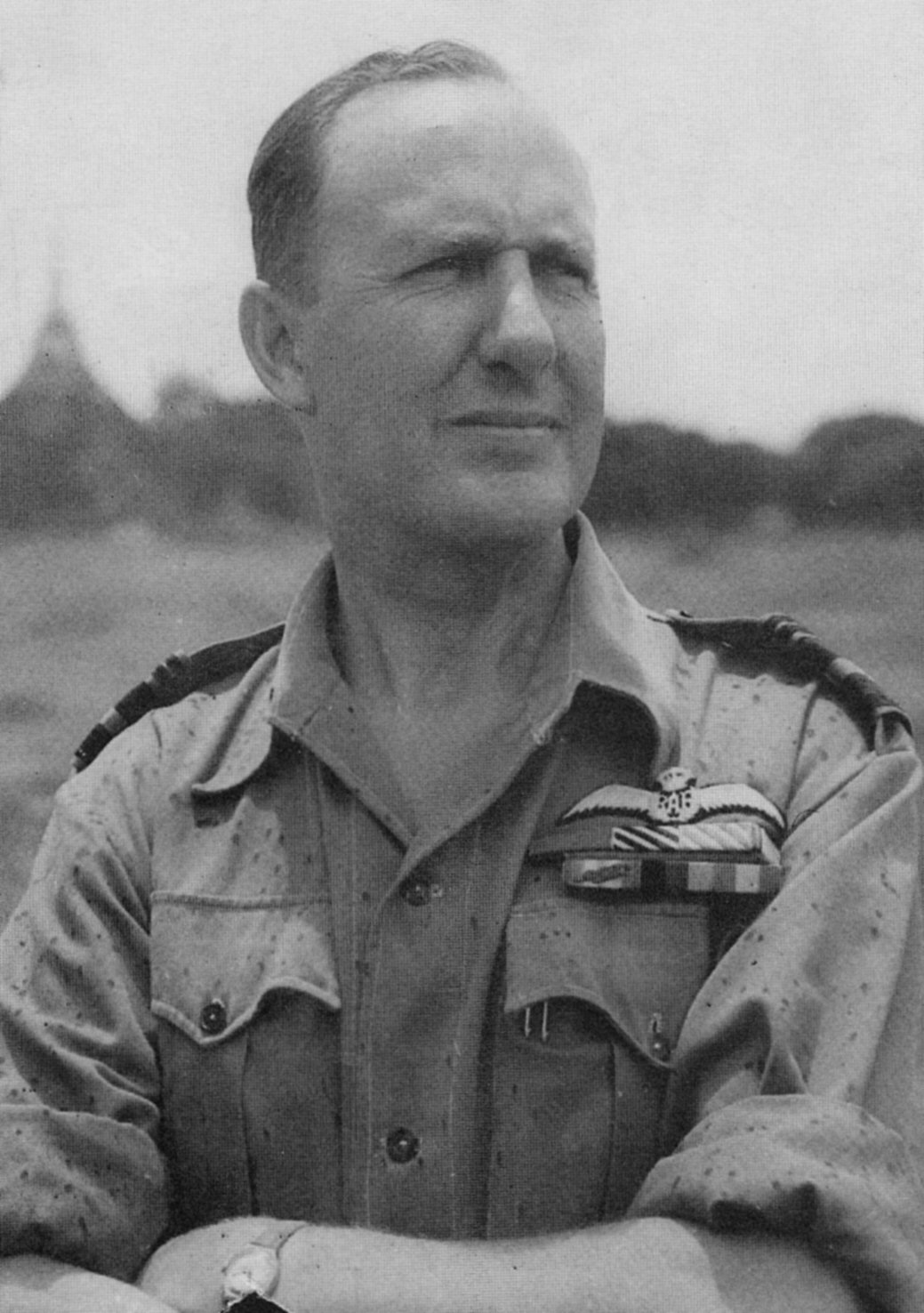
Stanley Vincent
Air Vice Marshal Stanley Flamank Vincent, CB, DFC, AFC, DL (7 April 1897 – 13 March 1976) was a pilot in the Royal Flying Corps (RFC) and later a senior commander in the Royal Air Force (RAF). He was the only RFC/RAF pilot to shoot down enemy aircraft in both world wars.
Stanley Vincent was born in Hampstead, north London, on 7 April 1897, the son of Dr Charles Vincent and Hannah Phillips. He was educated at Lancing College.
Vincent was commissioned into the Royal Flying Corps (RFC) after the completion of his training in 1915 at the Central Flying School, Upavon. His first posting was to No. 60 Squadron RAF in France in April 1916, equipped with Morane single seat and two seaters. Vincent was appointed to 'A' Flight equipped with the Morane Bullet scout. He claimed an LVG two-seater in July (the Squadron's first victory), another two seater in September and an Albatros two seater 'Out of control' in early 1917, by now flying the Nieuport 17. In March 1917 he returned to England with his commanding officer (CO), Major Smith-Barry, in order to open and establish the School of Special Flying at Gosport. In April 1917 Vincent crashed-landed and spent 7 months in hospital.
In November 1917 Vincent was given command of the newly formed No. 110 Squadron RAF. After handing command to the squadron's first CO, Major H R Nicholl, Vincent was posted to Shoreham and formed a Special Instructors' Flight at Shoreham. He was one of the first to be awarded the Air Force Cross in late 1918 and was promoted flight lieutenant in 1920. After the war, he was sent to France to bring back captured German machines and joined No 24 Squadron where he gave refresher courses to repatriated prisoners-of-war. He was also involved in the training of the Prince of Wales at this time. In August 1919 he was transferred to the Unemployed List but soon afterwards re-joined the RAF.
In 1921 he was appointed flight commander at the newly opened Royal Air Force College Cranwell. In 1923 he returned to operations in Iraq with No. 30 Squadron RAF. His overseas posting finished in 1928 and he travelled home in order to join No. 1 Squadron RAF at Tangmere. Promoted squadron leader in 1931, Vincent took command of No. 41 Squadron RAF at RAF Northolt and it was here that he was involved in the early experiments with Radio Telephony.
However he soon returned to Iraq to replace the CO of No. 80 Squadron RAF, who was taken ill and returned home. It was during this time that Vincent took part in the first reinforcement flight to Singapore. He too was taken ill at the end of 1934 and returned home. In June 1936 he was appointed as commanding officer of the Air Fighting Development Unit. In late 1936 he was promoted wing commander and was made Officer Commanding RAF Northolt.
After a brief period with the Air Ministry, followed by attendance at the Royal Naval College, Greenwich, he was promoted to group captain and in March 1940 returned to RAF Northolt where he commanded the station during the Battle of Britain.
Vincent often accompanied his station squadrons (usually 229 and 257 Squadrons) on scrambles and also flew lone 'station defence' sorties. He considered personally that he shot down 5 Do 17 enemy bombers on his various sorties. As he was alone on many of these sorties, confirmation has never been substantiated. He claimed a further two victories (over Bf 109s) on 30 September 1940. During one action he was wounded, crash landing at Kenley. He later had numerous pieces of shrapnel removed from his back, having narrowly missed his spine. He was awarded the Distinguished Flying Cross in 1940 in recognition of his skill and bravery.
Hub AI
Stanley Vincent AI simulator
(@Stanley Vincent_simulator)
Stanley Vincent
Air Vice Marshal Stanley Flamank Vincent, CB, DFC, AFC, DL (7 April 1897 – 13 March 1976) was a pilot in the Royal Flying Corps (RFC) and later a senior commander in the Royal Air Force (RAF). He was the only RFC/RAF pilot to shoot down enemy aircraft in both world wars.
Stanley Vincent was born in Hampstead, north London, on 7 April 1897, the son of Dr Charles Vincent and Hannah Phillips. He was educated at Lancing College.
Vincent was commissioned into the Royal Flying Corps (RFC) after the completion of his training in 1915 at the Central Flying School, Upavon. His first posting was to No. 60 Squadron RAF in France in April 1916, equipped with Morane single seat and two seaters. Vincent was appointed to 'A' Flight equipped with the Morane Bullet scout. He claimed an LVG two-seater in July (the Squadron's first victory), another two seater in September and an Albatros two seater 'Out of control' in early 1917, by now flying the Nieuport 17. In March 1917 he returned to England with his commanding officer (CO), Major Smith-Barry, in order to open and establish the School of Special Flying at Gosport. In April 1917 Vincent crashed-landed and spent 7 months in hospital.
In November 1917 Vincent was given command of the newly formed No. 110 Squadron RAF. After handing command to the squadron's first CO, Major H R Nicholl, Vincent was posted to Shoreham and formed a Special Instructors' Flight at Shoreham. He was one of the first to be awarded the Air Force Cross in late 1918 and was promoted flight lieutenant in 1920. After the war, he was sent to France to bring back captured German machines and joined No 24 Squadron where he gave refresher courses to repatriated prisoners-of-war. He was also involved in the training of the Prince of Wales at this time. In August 1919 he was transferred to the Unemployed List but soon afterwards re-joined the RAF.
In 1921 he was appointed flight commander at the newly opened Royal Air Force College Cranwell. In 1923 he returned to operations in Iraq with No. 30 Squadron RAF. His overseas posting finished in 1928 and he travelled home in order to join No. 1 Squadron RAF at Tangmere. Promoted squadron leader in 1931, Vincent took command of No. 41 Squadron RAF at RAF Northolt and it was here that he was involved in the early experiments with Radio Telephony.
However he soon returned to Iraq to replace the CO of No. 80 Squadron RAF, who was taken ill and returned home. It was during this time that Vincent took part in the first reinforcement flight to Singapore. He too was taken ill at the end of 1934 and returned home. In June 1936 he was appointed as commanding officer of the Air Fighting Development Unit. In late 1936 he was promoted wing commander and was made Officer Commanding RAF Northolt.
After a brief period with the Air Ministry, followed by attendance at the Royal Naval College, Greenwich, he was promoted to group captain and in March 1940 returned to RAF Northolt where he commanded the station during the Battle of Britain.
Vincent often accompanied his station squadrons (usually 229 and 257 Squadrons) on scrambles and also flew lone 'station defence' sorties. He considered personally that he shot down 5 Do 17 enemy bombers on his various sorties. As he was alone on many of these sorties, confirmation has never been substantiated. He claimed a further two victories (over Bf 109s) on 30 September 1940. During one action he was wounded, crash landing at Kenley. He later had numerous pieces of shrapnel removed from his back, having narrowly missed his spine. He was awarded the Distinguished Flying Cross in 1940 in recognition of his skill and bravery.