
Recent from talks
Stockman (Australia)
Knowledge base stats:
Talk channels stats:
Members stats:
Stockman (Australia)
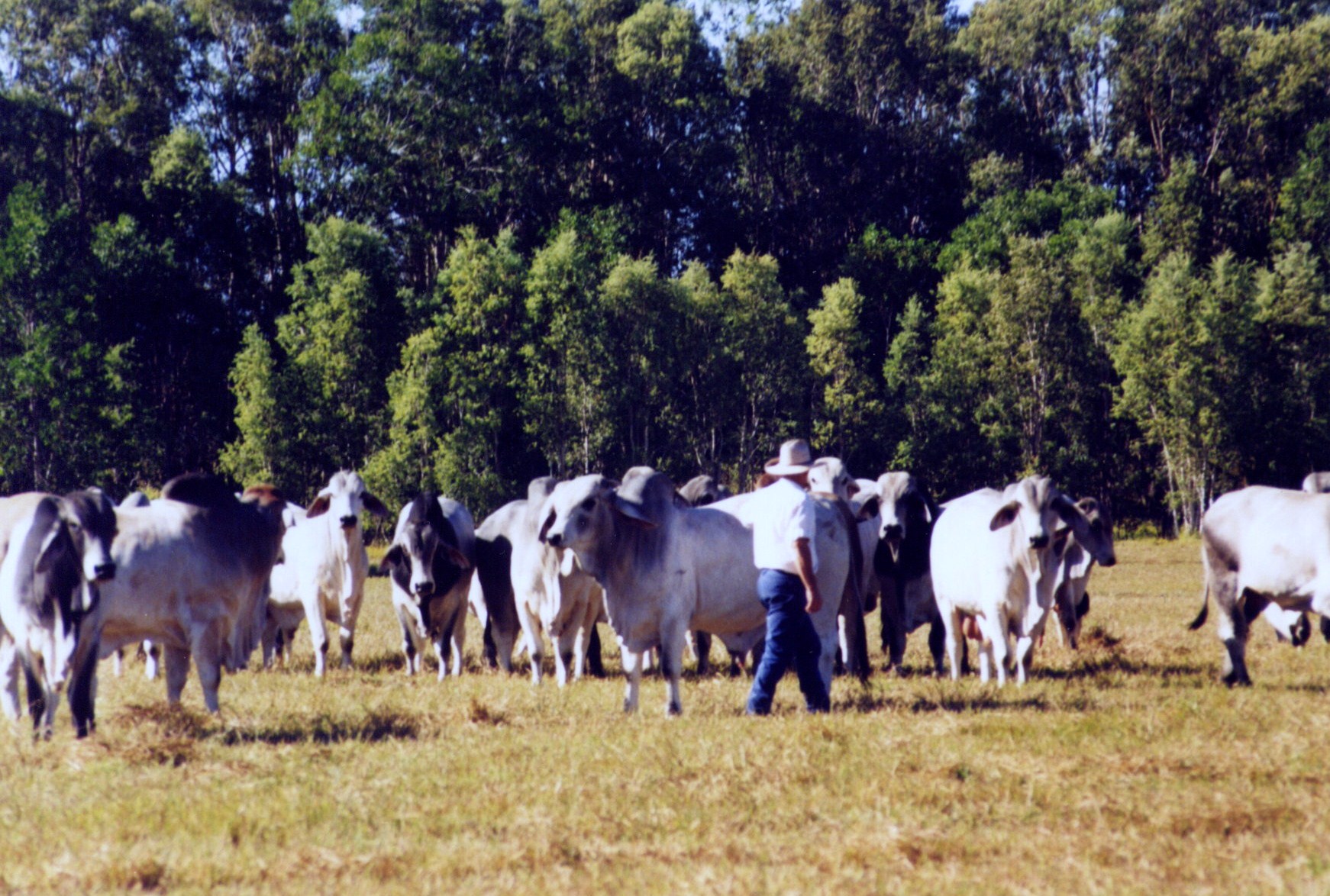
In Australia and New Caledonia, a stockman (plural stockmen) is a person who looks after the livestock on a station, traditionally on horse. It has a similar meaning to "cowboy". A stockman may also be employed at an abattoir, feedlot, on a livestock export ship, or with a stock and station agency.
Stockmen who work with the cattle in the Top End are known as ringers and are often only employed for the dry season which lasts from April to October. A station hand is an employee who is involved in routine duties on a rural property or station, which may also involve caring for livestock. With pastoral properties facing dire recruitment problems as young men are lured into the booming mining industry, young women from the cities are becoming a common sight on outback stations, often attracted by the chance to work with horses. An associated occupation is that of the drover, who, like the shearer may be an itinerant worker, and is employed in tending to livestock while they are travelling on a stock route.
A station trainee is known as a jackaroo (male) or jillaroo (female).
The role of the mounted stockmen came into being early in the 19th century, after the Blue Mountains, separating the coastal plain of the Sydney region from the interior of the continent, were first crossed by Europeans in 1813. The town of Bathurst was founded shortly after, and potential farmers moved westward, and settled on the land, many of them as squatters. The rolling country, ideal for sheep and the large, often unfenced, properties necessitated the role of the shepherd to tend the flocks.
Early stockmen were specially selected, highly regarded men owing to the high value and importance of early livestock. All stockmen need to be interested in animals, able to handle them with confidence and patience, able to make accurate observations about them and enjoy working outdoors.
Aboriginal Australians were good stockmen who played a large part in the successful running of many stations. With their intimate bonds to their tribal places, and local knowledge they also took considerable pride in their work. After the gold rushes white labour was expensive and difficult to retain. Aboriginal women also worked with cattle on the northern stations after this practice developed in northern Queensland during the 1880s. A Native Administration Act later stopped the employment of women in the cattle camps. Aboriginal people often received only food and clothing to retain their labour, until they began to be paid a small cash wage in the 1950s and 1960s, much less than their white counterparts. In 1966, Vincent Lingiari led Gurindji workers on the Wave Hill walk-off, a strike on the large Vesteys cattle station in the Northern Territory, which brought about wage parity two years later. In the 21st century class actions for these "stolen wages", as they have been dubbed, have taken place in Queensland, Western Australia and the NT.
In 1911, rural stockmen received only £1 to £1/5/- a week plus keep after a decision was made by the Arbitration Court. The award of 1918 increased wages by up to 50 per cent to a minimum of £2/13/-. Head stockmen received about £1 extra. Stockmen now work under a state or federal award, which is reviewed regularly.
A stockman is responsible for the care for livestock and treatment of their injuries and illnesses. This includes feeding, watering, mustering, droving, branding, castrating, ear tagging, weighing, vaccinating livestock and dealing with their predators. Stockmen need to be able to judge age by examining the dentition (teeth) of cattle, sheep and occasionally horses. Those caring for sheep will regularly have to deal with flystrike treatments, jetting animals, worm control and lamb marking. Pregnant livestock usually receive special care in late pregnancy and stockmen may have to deal with dystocia (abnormal or difficult birth or labour). A good stockman is aware of livestock behavioural characteristics, and has an awareness of flight zone distances of the livestock being handled. Apart from livestock duties a stock person will inspect, maintain and repair fences, gates and yards that have been broken by storms, fallen trees, livestock and wildlife.[citation needed]
Hub AI
Stockman (Australia) AI simulator
(@Stockman (Australia)_simulator)
Stockman (Australia)
In Australia and New Caledonia, a stockman (plural stockmen) is a person who looks after the livestock on a station, traditionally on horse. It has a similar meaning to "cowboy". A stockman may also be employed at an abattoir, feedlot, on a livestock export ship, or with a stock and station agency.
Stockmen who work with the cattle in the Top End are known as ringers and are often only employed for the dry season which lasts from April to October. A station hand is an employee who is involved in routine duties on a rural property or station, which may also involve caring for livestock. With pastoral properties facing dire recruitment problems as young men are lured into the booming mining industry, young women from the cities are becoming a common sight on outback stations, often attracted by the chance to work with horses. An associated occupation is that of the drover, who, like the shearer may be an itinerant worker, and is employed in tending to livestock while they are travelling on a stock route.
A station trainee is known as a jackaroo (male) or jillaroo (female).
The role of the mounted stockmen came into being early in the 19th century, after the Blue Mountains, separating the coastal plain of the Sydney region from the interior of the continent, were first crossed by Europeans in 1813. The town of Bathurst was founded shortly after, and potential farmers moved westward, and settled on the land, many of them as squatters. The rolling country, ideal for sheep and the large, often unfenced, properties necessitated the role of the shepherd to tend the flocks.
Early stockmen were specially selected, highly regarded men owing to the high value and importance of early livestock. All stockmen need to be interested in animals, able to handle them with confidence and patience, able to make accurate observations about them and enjoy working outdoors.
Aboriginal Australians were good stockmen who played a large part in the successful running of many stations. With their intimate bonds to their tribal places, and local knowledge they also took considerable pride in their work. After the gold rushes white labour was expensive and difficult to retain. Aboriginal women also worked with cattle on the northern stations after this practice developed in northern Queensland during the 1880s. A Native Administration Act later stopped the employment of women in the cattle camps. Aboriginal people often received only food and clothing to retain their labour, until they began to be paid a small cash wage in the 1950s and 1960s, much less than their white counterparts. In 1966, Vincent Lingiari led Gurindji workers on the Wave Hill walk-off, a strike on the large Vesteys cattle station in the Northern Territory, which brought about wage parity two years later. In the 21st century class actions for these "stolen wages", as they have been dubbed, have taken place in Queensland, Western Australia and the NT.
In 1911, rural stockmen received only £1 to £1/5/- a week plus keep after a decision was made by the Arbitration Court. The award of 1918 increased wages by up to 50 per cent to a minimum of £2/13/-. Head stockmen received about £1 extra. Stockmen now work under a state or federal award, which is reviewed regularly.
A stockman is responsible for the care for livestock and treatment of their injuries and illnesses. This includes feeding, watering, mustering, droving, branding, castrating, ear tagging, weighing, vaccinating livestock and dealing with their predators. Stockmen need to be able to judge age by examining the dentition (teeth) of cattle, sheep and occasionally horses. Those caring for sheep will regularly have to deal with flystrike treatments, jetting animals, worm control and lamb marking. Pregnant livestock usually receive special care in late pregnancy and stockmen may have to deal with dystocia (abnormal or difficult birth or labour). A good stockman is aware of livestock behavioural characteristics, and has an awareness of flight zone distances of the livestock being handled. Apart from livestock duties a stock person will inspect, maintain and repair fences, gates and yards that have been broken by storms, fallen trees, livestock and wildlife.[citation needed]
Recent media