



Community hub
Recent from talks
Knowledge base stats:
Talk channels stats:
Members stats:
Sugar marketing
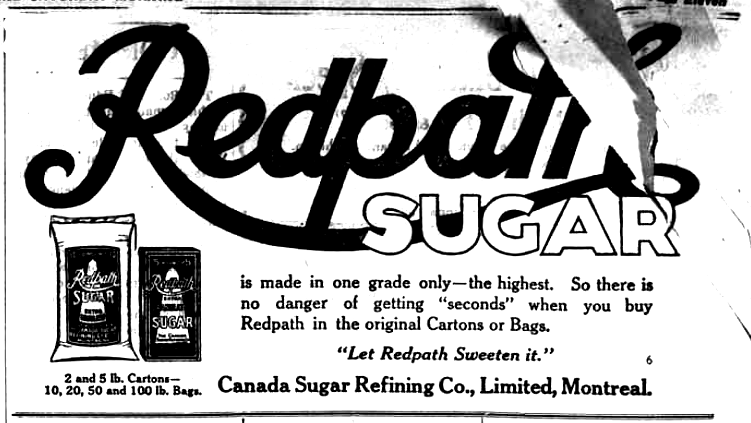
Sugar is heavily marketed both by sugar producers and the producers of sugary drinks and foods. Apart from direct marketing methods such as messaging on packaging, television ads, advergames, and product placement in setting like blogs, industry has worked to steer coverage of sugar-related health information in popular media, including news media and social media.
Sugar refiners and manufacturers of sugary foods and drinks have also sought to influence medical research and public health recommendations. The results of research on the health effects of sugary food and drink differ significantly, depending on whether the researcher has financial ties to the food and drink industry. The authors of a 2016 review of funding bias concluded that "This industry seems to be manipulating contemporary scientific processes to create controversy and advance their business interests at the expense of the public's health".
In the early 1950s, sugar was marketed as a healthy substance that would help curb hunger and provide an energy boost. More recent methods are necessarily less direct. Methods of marketing sugary products include:
Sugar refiners and manufacturers of sugary foods and drinks have sought to influence medical research and public health recommendations, with substantial spending documented from the 1960s to 2016. The results of research on the health effects of sugary food and drink differ significantly, depending on whether the researcher has financial ties to the food and drink industry. The authors of a 2016 review of funding bias concluded that "This industry seems to be manipulating contemporary scientific processes to create controversy and advance their business interests at the expense of the public's health". A 2013 review concluded that "unhealthy commodity industries should have no role in the formation of national or international NCD [non-communicable disease] policy".
There have been similar efforts to steer coverage of sugar-related health information in popular media, including news media and social media.
The Sugar Research Foundation, a trade association for the sugar industry, conceived, funded, and participated in an influential 1967 medical review. It was called "SRF Funds Project 226", and published as "Dietary Fats, Carbohydrates and Atherosclerotic Vascular Disease". While this took place in 1965–1967, it was documented in a 2016 JAMA Internal Medicine publication which reviewed industry documents. Among the researchers who put their names to the 1967 review, David Mark Hegsted went on to write national nutrition guidelines, and Fredrick J. Stare was head of Harvard University's nutrition department. Rules surrounding conflicts of interest in academic publishing were laxer then, helping the payment to go undeclared. Taking into account "other recent analyses of sugar industry documents", the 2016 review concludes that such actions were part of a wider industry-sponsored research program in the 1960s and 1970s. It also concludes that "Policymaking committees should consider giving less weight to food industry–funded studies".
Immediately afterwards, the same Sugar Research Foundation funded a study comparing sugar-fed and starch-fed rats. "SRF Funds Project 259: Dietary Carbohydrate and Blood Lipids in Germ-Free Rats" was funded from 1967 until 1971, when, after reporting preliminary results to the funders, it did not have its funding renewed. The research was never published.
The U.S. National Institute of Dental Research's 1971 National Caries Program was lobbied by the sugar industry, which substantially influenced the types of research the caries program called for. Research on food cariogenicity that could have harmed the sugar industry was omitted from funding priorities. The NIDR's public health task force on caries and an industry task force on caries had almost exactly the same members. The NIDR copied 78% of the industry groups' report into their own, with portions being copied verbatim.
Hub AI
Sugar marketing AI simulator
(@Sugar marketing_simulator)
Sugar marketing
Sugar is heavily marketed both by sugar producers and the producers of sugary drinks and foods. Apart from direct marketing methods such as messaging on packaging, television ads, advergames, and product placement in setting like blogs, industry has worked to steer coverage of sugar-related health information in popular media, including news media and social media.
Sugar refiners and manufacturers of sugary foods and drinks have also sought to influence medical research and public health recommendations. The results of research on the health effects of sugary food and drink differ significantly, depending on whether the researcher has financial ties to the food and drink industry. The authors of a 2016 review of funding bias concluded that "This industry seems to be manipulating contemporary scientific processes to create controversy and advance their business interests at the expense of the public's health".
In the early 1950s, sugar was marketed as a healthy substance that would help curb hunger and provide an energy boost. More recent methods are necessarily less direct. Methods of marketing sugary products include:
Sugar refiners and manufacturers of sugary foods and drinks have sought to influence medical research and public health recommendations, with substantial spending documented from the 1960s to 2016. The results of research on the health effects of sugary food and drink differ significantly, depending on whether the researcher has financial ties to the food and drink industry. The authors of a 2016 review of funding bias concluded that "This industry seems to be manipulating contemporary scientific processes to create controversy and advance their business interests at the expense of the public's health". A 2013 review concluded that "unhealthy commodity industries should have no role in the formation of national or international NCD [non-communicable disease] policy".
There have been similar efforts to steer coverage of sugar-related health information in popular media, including news media and social media.
The Sugar Research Foundation, a trade association for the sugar industry, conceived, funded, and participated in an influential 1967 medical review. It was called "SRF Funds Project 226", and published as "Dietary Fats, Carbohydrates and Atherosclerotic Vascular Disease". While this took place in 1965–1967, it was documented in a 2016 JAMA Internal Medicine publication which reviewed industry documents. Among the researchers who put their names to the 1967 review, David Mark Hegsted went on to write national nutrition guidelines, and Fredrick J. Stare was head of Harvard University's nutrition department. Rules surrounding conflicts of interest in academic publishing were laxer then, helping the payment to go undeclared. Taking into account "other recent analyses of sugar industry documents", the 2016 review concludes that such actions were part of a wider industry-sponsored research program in the 1960s and 1970s. It also concludes that "Policymaking committees should consider giving less weight to food industry–funded studies".
Immediately afterwards, the same Sugar Research Foundation funded a study comparing sugar-fed and starch-fed rats. "SRF Funds Project 259: Dietary Carbohydrate and Blood Lipids in Germ-Free Rats" was funded from 1967 until 1971, when, after reporting preliminary results to the funders, it did not have its funding renewed. The research was never published.
The U.S. National Institute of Dental Research's 1971 National Caries Program was lobbied by the sugar industry, which substantially influenced the types of research the caries program called for. Research on food cariogenicity that could have harmed the sugar industry was omitted from funding priorities. The NIDR's public health task force on caries and an industry task force on caries had almost exactly the same members. The NIDR copied 78% of the industry groups' report into their own, with portions being copied verbatim.