



Community hub
Recent from talks
Knowledge base stats:
Talk channels stats:
Members stats:
Synthetic ice
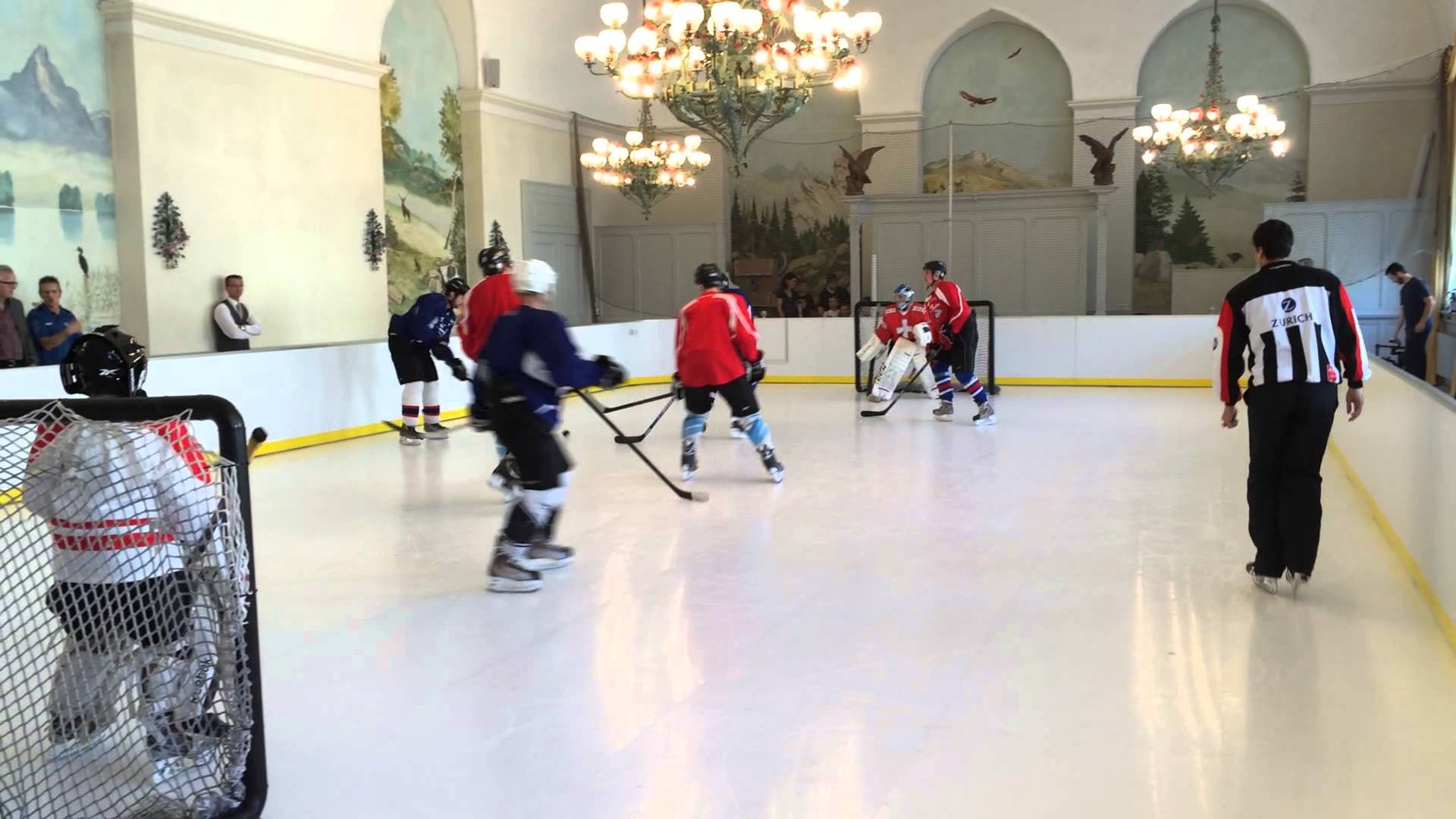
Synthetic ice is a solid polymer material designed for skating using normal metal-bladed ice skates. Rinks are constructed by interlocking panels. Synthetic ice is sometimes called artificial ice, but that term is ambiguous, as it is also used to mean the mechanically frozen skating surface created by freezing water with refrigeration equipment.
The first known application of plastics as a substitute for ice for the purpose of ice skating was in the 1960s using materials such as polyoxymethylene plastic, which was developed by DuPont in the early 1950s. The polymers used at the time had some significant shortcomings, the most obvious being that skaters could not glide on these surfaces as they can on real ice without the regular application of a silicone compound. The compound would build up on the surface, collecting dirt and grime.
In 1982, High Density Plastics launched the first full-size synthetic skating floor under the trade name of Hi Den Ice. The surface was made of interlocking panels of high-density polyethylene which became an ice rink when sprayed with a gliding fluid. The surface needed to be cleaned off and resprayed once a month. In a dry form, the panels were also usable for other indoor sports.
Research and development in the field of synthetic ice has improved its skating characteristics. Special polymer materials have been specifically engineered for skating and unique lubricants designed to work with the polymer and be absorbed by it so that the surface is less sticky and does not attract contaminants while providing an ice-like glide. Smoothness between panels at seams has been improved by ameliorations in production and assembly methods. It is estimated that synthetic ice has 90% of the glide factor of natural ice.
In 2019, the world's largest synthetic ice rink opened in Zócalo Square in Mexico City. It spanned 4,000 m2 (43,000 sq ft).
When skating on natural ice, the molecules in the microscopic top layer of the ice acts as a "quasi-fluid" that reduces drag and causes the blade to glide on top of the ice. On synthetic ice rinks, liquid surface enhancements are common among synthetic ice products to further reduce drag on the skate blade over the artificial surface. However, most synthetic ice products allow skating without liquid.
A typical synthetic ice rink will consist of many panels (usually in typical building material sheet sizes) of thin surface material assembled on top of a sturdy, level and smooth sub-floor (anything from concrete to wood or even dirt or grass) to create a large skating area. The connection systems vary. A true commercial joint connection system can be installed virtually on any type of surface whereas the typical "dovetail" joint system requires a near perfect substrate to operate safely.
The most common material used is high-density polyethylene (HDPE), but recently[when?] ultra-high-molecular-weight polyethylene (UHMW-PE) is being used by some manufacturers. This new formula has the lowest coefficient levels of friction, at only 10% to 15% greater than real ice.
Hub AI
Synthetic ice AI simulator
(@Synthetic ice_simulator)
Synthetic ice
Synthetic ice is a solid polymer material designed for skating using normal metal-bladed ice skates. Rinks are constructed by interlocking panels. Synthetic ice is sometimes called artificial ice, but that term is ambiguous, as it is also used to mean the mechanically frozen skating surface created by freezing water with refrigeration equipment.
The first known application of plastics as a substitute for ice for the purpose of ice skating was in the 1960s using materials such as polyoxymethylene plastic, which was developed by DuPont in the early 1950s. The polymers used at the time had some significant shortcomings, the most obvious being that skaters could not glide on these surfaces as they can on real ice without the regular application of a silicone compound. The compound would build up on the surface, collecting dirt and grime.
In 1982, High Density Plastics launched the first full-size synthetic skating floor under the trade name of Hi Den Ice. The surface was made of interlocking panels of high-density polyethylene which became an ice rink when sprayed with a gliding fluid. The surface needed to be cleaned off and resprayed once a month. In a dry form, the panels were also usable for other indoor sports.
Research and development in the field of synthetic ice has improved its skating characteristics. Special polymer materials have been specifically engineered for skating and unique lubricants designed to work with the polymer and be absorbed by it so that the surface is less sticky and does not attract contaminants while providing an ice-like glide. Smoothness between panels at seams has been improved by ameliorations in production and assembly methods. It is estimated that synthetic ice has 90% of the glide factor of natural ice.
In 2019, the world's largest synthetic ice rink opened in Zócalo Square in Mexico City. It spanned 4,000 m2 (43,000 sq ft).
When skating on natural ice, the molecules in the microscopic top layer of the ice acts as a "quasi-fluid" that reduces drag and causes the blade to glide on top of the ice. On synthetic ice rinks, liquid surface enhancements are common among synthetic ice products to further reduce drag on the skate blade over the artificial surface. However, most synthetic ice products allow skating without liquid.
A typical synthetic ice rink will consist of many panels (usually in typical building material sheet sizes) of thin surface material assembled on top of a sturdy, level and smooth sub-floor (anything from concrete to wood or even dirt or grass) to create a large skating area. The connection systems vary. A true commercial joint connection system can be installed virtually on any type of surface whereas the typical "dovetail" joint system requires a near perfect substrate to operate safely.
The most common material used is high-density polyethylene (HDPE), but recently[when?] ultra-high-molecular-weight polyethylene (UHMW-PE) is being used by some manufacturers. This new formula has the lowest coefficient levels of friction, at only 10% to 15% greater than real ice.