



Community hub
Recent from talks
Contribute something to knowledge base
Content stats: 0 posts, 0 articles, 1 media, 0 notes
Members stats: 0 subscribers, 0 contributors, 0 moderators, 0 supporters
Subscribers
Supporters
Contributors
Moderators
Hub AI
Toll-like receptor 4 AI simulator
(@Toll-like receptor 4_simulator)
Hub AI
Toll-like receptor 4 AI simulator
(@Toll-like receptor 4_simulator)
Toll-like receptor 4
Toll-like receptor 4 (TLR4), also designated as CD284 (cluster of differentiation 284), is a key activator of the innate immune response and plays a central role in the fight against bacterial infections. TLR4 is a transmembrane protein of approximately 95 kDa that is encoded by the TLR4 gene.
TLR4 belongs to the toll-like receptor family which is representative of the pattern recognition receptors (PRR), so named for their ability to recognize evolutionarily conserved components of microorganisms (bacteria, viruses, fungi and parasites) called pathogen-associated molecular patterns (PAMPs). The recognition of a PAMP by a PRR triggers rapid activation of the innate immunity essential to fight infectious diseases.
TLR4 is expressed in immune cells mainly of myeloid origin, including monocytes, macrophages and dendritic cells (DC). It is also expressed at a lower level on some non-immune cells, including epithelium, endothelium, placental cells and beta cells in Langerhans islets. Most myeloid cells express also high amounts of plasma membrane-anchored CD14, which facilitates the activation of TLR4 by LPS and controls the subsequent internalization of the LPS-activated TLR4 important for receptor signaling and degradation.
The main ligands for TLR4 are lipopolysaccharides (LPS), the major components of the outer membrane of Gram-negative bacteria and some Gram-positive bacteria. TLR4 can also be activated by endogenous compounds called damage-associated molecular patterns (DAMPs), including high mobility group box protein 1 (HMGB1), S100 proteins, or histones. These compounds are released during tissue injury and by dying or necrotic cells.
The first function described for TLR4 was the recognition of exogenous molecules from pathogens (PAMPs), in particular LPS molecules from gram-negative bacteria. As pattern recognition receptor, TLR4 plays a fundamental role in pathogen recognition and activation of innate immunity which is the first line of defense against invading micro-organisms. During infection, TLR4 responds to the LPS present in tissues and the bloodstream and triggers pro-inflammatory reactions facilitating eradication of the invading bacteria.
TLR4 is also involved in the recognition of endogenous DAMP molecules leading to different signaling outcomes than PAMPs, both quantitatively and qualitatively. DAMPs can activate TLR4 in non-infectious conditions to induce tissue repair and the activation of mainly proinflammatory responses. Generally, inflammation has a protective role. It is a complex and coordinated process followed by the induction of resolution pathways that restore tissue integrity and function. However, in some cases, an excessive and/or poorly regulated inflammatory response to DAMPs can be detrimental to the organism, accelerating the development or progression of pathologies such as a number of cancers and neurodegenerative diseases (as discussed below).
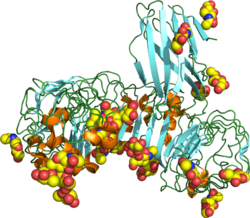
TLR4 binds LPS with the help of LPS-binding protein (LBP) and CD14, and an indispensable contribution of the MD-2 protein stably associated with the extracellular fragment of the receptor. TLR4 signaling responds to signals by forming a complex using an extracellular leucine-rich repeat domain (LRR) and an intracellular toll/interleukin-1 receptor (TIR) domain. LPS stimulation induces a series of interactions with several accessory proteins which form the TLR4 complex on the cell surface. LPS recognition is initiated by an LPS binding to an LBP protein. This LPS-LBP complex transfers the LPS to CD14 which is a glycosylphosphatidylinositol-anchored membrane protein that binds the LPS-LBP complex and facilitates the transfer of LPS to MD-2 protein, which is associated with the extracellular domain of TLR4. LPS binding promotes the dimerization of TLR4/MD-2 complex. The conformational changes of the TLR4 induce the recruitment of intracellular adaptor proteins containing the TIR domain which is necessary to activate the downstream signaling pathway.
The binding of an LPS molecule to the TLR4/MD-2 complex involves acyl chains and phosphate groups of lipid A, the conserved part of LPS and the main inducer of pro-inflammatory responses to LPS.
Toll-like receptor 4
Toll-like receptor 4 (TLR4), also designated as CD284 (cluster of differentiation 284), is a key activator of the innate immune response and plays a central role in the fight against bacterial infections. TLR4 is a transmembrane protein of approximately 95 kDa that is encoded by the TLR4 gene.
TLR4 belongs to the toll-like receptor family which is representative of the pattern recognition receptors (PRR), so named for their ability to recognize evolutionarily conserved components of microorganisms (bacteria, viruses, fungi and parasites) called pathogen-associated molecular patterns (PAMPs). The recognition of a PAMP by a PRR triggers rapid activation of the innate immunity essential to fight infectious diseases.
TLR4 is expressed in immune cells mainly of myeloid origin, including monocytes, macrophages and dendritic cells (DC). It is also expressed at a lower level on some non-immune cells, including epithelium, endothelium, placental cells and beta cells in Langerhans islets. Most myeloid cells express also high amounts of plasma membrane-anchored CD14, which facilitates the activation of TLR4 by LPS and controls the subsequent internalization of the LPS-activated TLR4 important for receptor signaling and degradation.
The main ligands for TLR4 are lipopolysaccharides (LPS), the major components of the outer membrane of Gram-negative bacteria and some Gram-positive bacteria. TLR4 can also be activated by endogenous compounds called damage-associated molecular patterns (DAMPs), including high mobility group box protein 1 (HMGB1), S100 proteins, or histones. These compounds are released during tissue injury and by dying or necrotic cells.
The first function described for TLR4 was the recognition of exogenous molecules from pathogens (PAMPs), in particular LPS molecules from gram-negative bacteria. As pattern recognition receptor, TLR4 plays a fundamental role in pathogen recognition and activation of innate immunity which is the first line of defense against invading micro-organisms. During infection, TLR4 responds to the LPS present in tissues and the bloodstream and triggers pro-inflammatory reactions facilitating eradication of the invading bacteria.
TLR4 is also involved in the recognition of endogenous DAMP molecules leading to different signaling outcomes than PAMPs, both quantitatively and qualitatively. DAMPs can activate TLR4 in non-infectious conditions to induce tissue repair and the activation of mainly proinflammatory responses. Generally, inflammation has a protective role. It is a complex and coordinated process followed by the induction of resolution pathways that restore tissue integrity and function. However, in some cases, an excessive and/or poorly regulated inflammatory response to DAMPs can be detrimental to the organism, accelerating the development or progression of pathologies such as a number of cancers and neurodegenerative diseases (as discussed below).
TLR4 binds LPS with the help of LPS-binding protein (LBP) and CD14, and an indispensable contribution of the MD-2 protein stably associated with the extracellular fragment of the receptor. TLR4 signaling responds to signals by forming a complex using an extracellular leucine-rich repeat domain (LRR) and an intracellular toll/interleukin-1 receptor (TIR) domain. LPS stimulation induces a series of interactions with several accessory proteins which form the TLR4 complex on the cell surface. LPS recognition is initiated by an LPS binding to an LBP protein. This LPS-LBP complex transfers the LPS to CD14 which is a glycosylphosphatidylinositol-anchored membrane protein that binds the LPS-LBP complex and facilitates the transfer of LPS to MD-2 protein, which is associated with the extracellular domain of TLR4. LPS binding promotes the dimerization of TLR4/MD-2 complex. The conformational changes of the TLR4 induce the recruitment of intracellular adaptor proteins containing the TIR domain which is necessary to activate the downstream signaling pathway.
The binding of an LPS molecule to the TLR4/MD-2 complex involves acyl chains and phosphate groups of lipid A, the conserved part of LPS and the main inducer of pro-inflammatory responses to LPS.
Recent media
Recent media